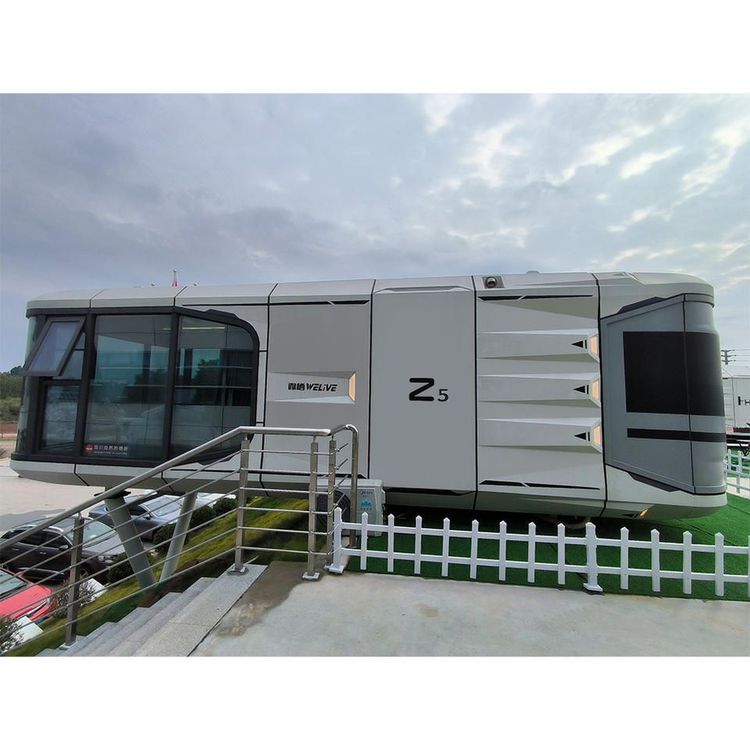
How to Choose the Right House Prefabricated
Choosing the right prefabricated house requires considering four core factors: budget, needs, construction time, and environmental sustainability. Here is a detailed analysis:

1. Define Your Budget Range
The cost of prefabricated houses is typically 20%-25% lower than that of traditional buildings, but specific prices vary depending on the type and size of the house. Small prefabricated houses start at around £50,000, suitable for single individuals or couples; family-sized houses start at approximately £120,000, meeting the basic needs of a 3-4 person household; luxury houses start at £250,000, equipped with high-end finishes and custom designs. Note: The budget should cover all costs, including the house itself, transportation, foundation construction, and interior decoration, to avoid overspending due to underestimating hidden costs.
2. Evaluate Functional Needs
Determine the size and layout of the house based on family structure and living habits. For example, additional bedrooms may be needed for elderly family members or children; a separate study or multi-functional room can be planned for those who work from home; if caring for elderly relatives, consider adding a 'granny flat' (a separate attached unit) or a garden room. Key Points: Prioritize core needs (such as bedrooms, kitchen, and bathroom) before considering additional space; custom designs may increase costs, so balance personalization with practicality within the budget.
3. Focus on Construction Efficiency
The construction period for prefabricated houses is 30%-50% faster than that of traditional buildings, typically completing the main structure within a few weeks to several months. Advantages: Shorter construction times reduce labor costs and minimize the impact of external factors such as weather on construction. Need to Confirm: Whether the supplier offers a 'turnkey' service (i.e., a full-service from design to move-in) and whether it includes details such as on-site assembly and utility connections, to avoid delays due to missing services.
4. Prioritize Environmental Sustainability
Choose houses that use renewable materials (such as bamboo, recycled steel) and energy-efficient designs to reduce long-term operating costs and environmental impact. Specific Indicators: Check if the house has passed environmental certifications such as LEED or BREEAM; evaluate insulation performance (such as double-glazed windows, efficient insulation layers) to reduce energy consumption; consider the integration of renewable energy facilities such as solar panels and rainwater harvesting systems. Long-term Value: Although environmental design may increase initial investment, it can achieve long-term savings by reducing energy costs (such as heating and cooling).