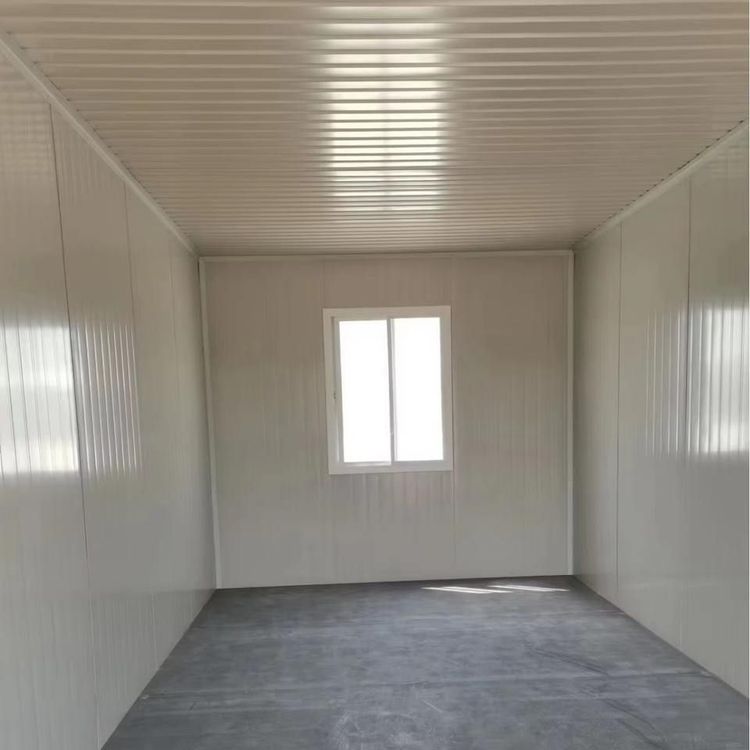
Container House Detail Analysis
A container house is a type of building that uses containers as its basic structural modules and is transformed for habitation or office use. It offers advantages such as flexible adaptability, controllable costs, rapid construction, low carbon emissions, high strength, and strong mobility, but it also has drawbacks like insufficient thermal insulation and sound insulation performance.

Structural Performance: Container houses typically employ steel structural frames, providing high strength and durability. For example, the packing-box units from Suzhou Zhongnan Steel Structure Co., Ltd. feature full steel structural frames with a wind resistance rating of Level 12, an earthquake resistance rating of Level 8, and a frame deformation rate of only 0.18%, well below the industry's acceptable threshold of 0.3%. This structure can withstand harsh weather conditions and natural disasters, ensuring safety during use.
Installation Efficiency: Container houses are designed with modularity in mind, enabling high installation efficiency. For instance, the quick-assembly units from Suzhou Zhongnan can be installed in just 2 hours per set and support on-demand splicing and combination, allowing for the construction of 10 standard dormitory units in a single day. This rapid installation characteristic makes container houses highly suitable for scenarios requiring quick delivery, such as engineering camps and temporary government or corporate buildings.
Cost-Effectiveness: The cost of container houses is relatively low, and they can be reused, reducing long-term usage costs. Compared to traditional brick-and-mortar structures, the construction process of container houses is simpler, minimizing material waste and labor costs. Additionally, the transportation and storage costs of container houses are also relatively low, especially for cross-regional projects and scenarios with turnover demands.
Thermal Insulation and Sound Insulation: Container houses have deficiencies in thermal insulation and sound insulation performance. The metal container body has a high thermal conductivity coefficient, making it difficult to cope with extreme climatic conditions relying solely on panel insulation. Therefore, multi-layer construction and high-quality insulation materials are required to improve thermal insulation performance. Meanwhile, the sound transmission effect of metal materials is relatively good, potentially resulting in poor sound insulation performance, necessitating additional sound insulation treatments to reduce noise interference.