Back to blog
Article
Comprehensive Guide to Container Houses
Admin September 15, 2026
Currently, there is no specific illustration content directly provided for the comprehensive guide to container houses, but we can introduce the design features, types, and application scenarios of container houses through multiple cases.

I. Design Features of Container Houses
Container houses are transformed by cutting, welding, and stacking standard shipping containers as basic modules. Their core design features include:
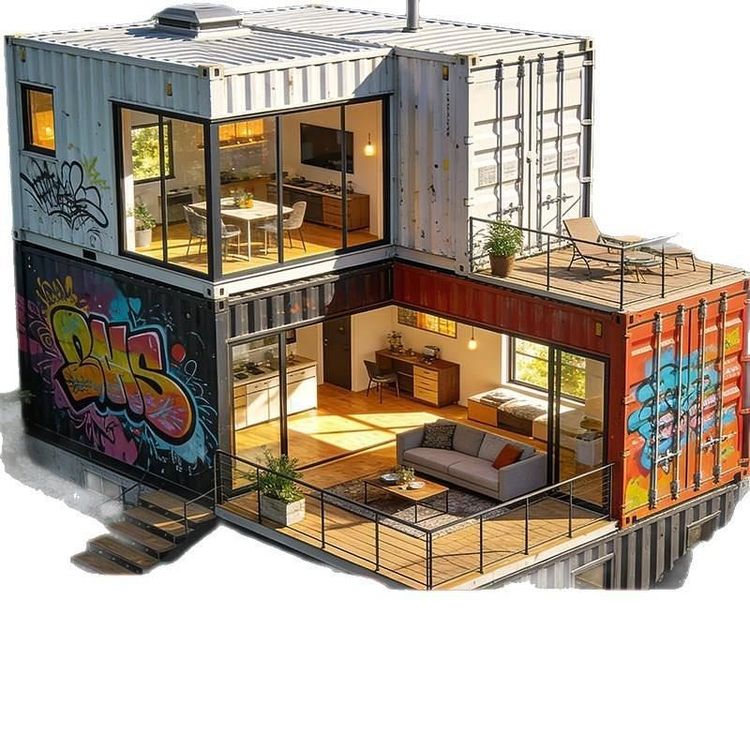
- Modular Combination: A single container typically measures 20 feet (6 meters long) or 40 feet (12 meters long). They can be stacked horizontally or vertically to form multi-story structures or spliced side by side to expand space. For example, in one case, four 30-square-meter containers are staggered and stacked to form a 120-square-meter residence with a patio.
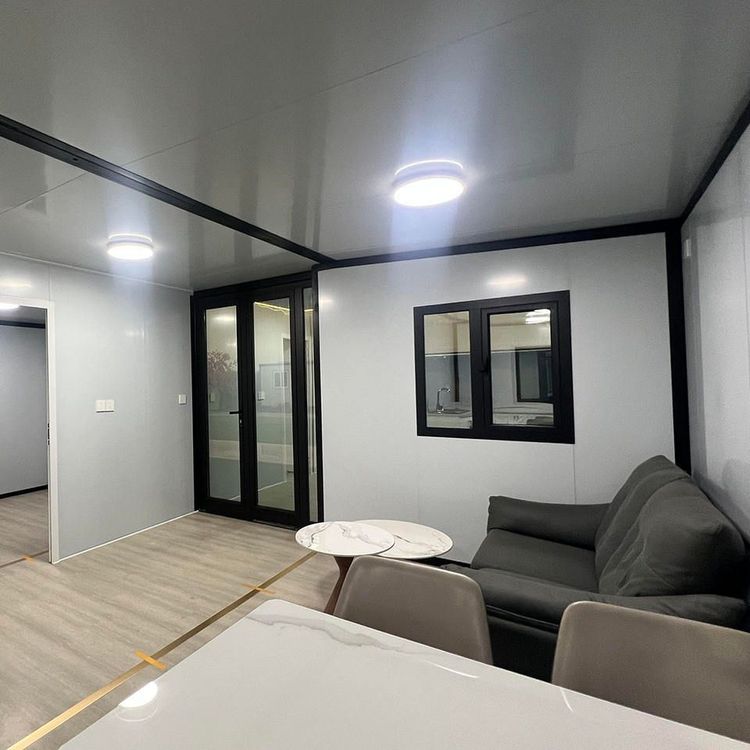
- Spatial Flexibility: Interior walls can be removed or moved to achieve dynamic zoning of functional areas. For instance, in a case in Jiangsu, the container is divided into a living room, kitchen, and bedroom, with a foldable bed design to enhance space utilization.
- Structural Adaptability: Designs are adjusted according to terrain or climate. For example, a mountain resort hotel uses container combinations to adapt to mountain slopes, and the Quartz Cottage in Cornwall, UK, enhances natural light through glass doors and windows.
II. Types of Container Houses
Residential Type:
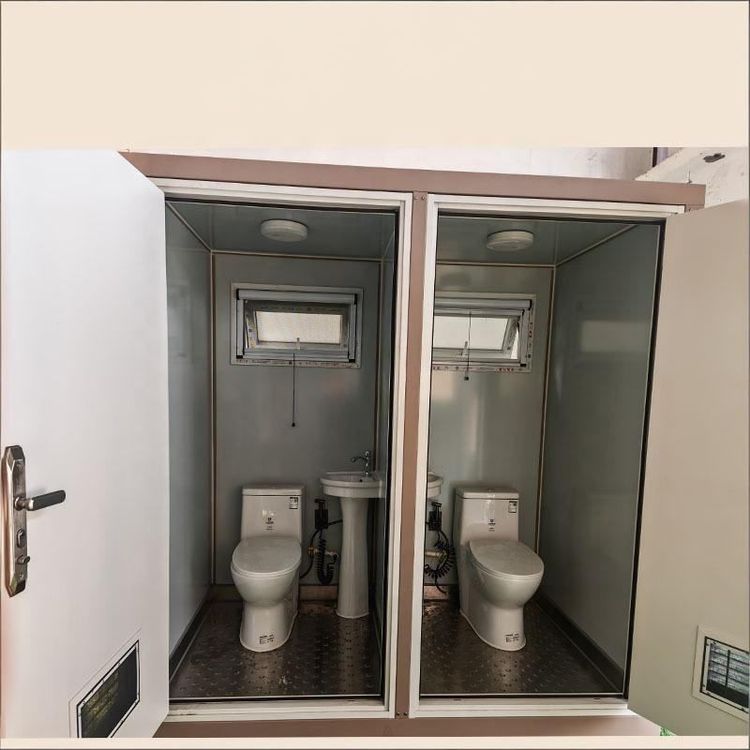
- Single-Container Residence: Suitable for 1-2 people, with internal partitions dividing the bedroom, kitchen, and bathroom. For example, a container cottage in Xiaoshan for a single resident, approximately 15 square meters in size, equipped with a courtyard and hammock.
- Multi-Container Combined Residence: Space is expanded through splicing, such as a family residence built by a Danish individual using nine containers, including multiple bedrooms and public areas.
Commercial Type:
- Homestays/Hotels: For example, a container hotel in the Czech Republic, composed of three containers forming five guest rooms, featuring glass walls and a shared patio.
- Office Spaces: Modular containers can quickly set up temporary offices, such as construction sites commonly using 20-foot containers transformed into air-conditioned office areas.
Special Function Type:
- Sustainable Experimental Residence: Tsinghua University's 'Sustainable Living Lab' constructed a low-carbon residence using six containers, integrating solar panels and rainwater collection systems.
- Mobile Art Spaces: Some designers transform containers into mobile studios or exhibition halls, using birch plywood and custom furniture for interiors.
III. Application Scenarios of Container Houses
- Residence in Remote Areas: For example, a 15-square-meter container home deep in the forest, adapted to environments without municipal power supply through solar panels and fire-resistant materials.
- Temporary Transitional Housing: In rural areas where new house construction is prohibited, containers can serve as temporary residences, such as a family in Jiangsu using a container as an alternative to traditional housing.
- Tourism and Vacation Facilities: Cases like the Eco Cottage in South Africa and the Quartz Cottage in the UK quickly construct vacation spaces that blend with nature using containers.
Related