Container House Camping Style
Container house camping style is an innovative accommodation form that integrates industrial elements with natural leisure concepts. Through modular container renovation, it achieves rapid deployment, flexible mobility, and personalized design, catering to the needs of campsites, scenic spots, and other scenarios.

1. Core Design Features
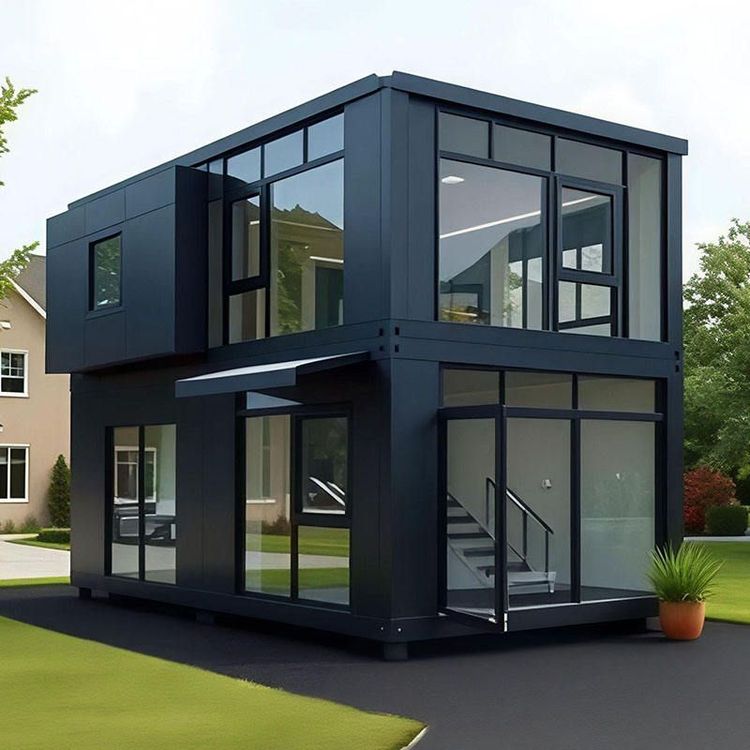
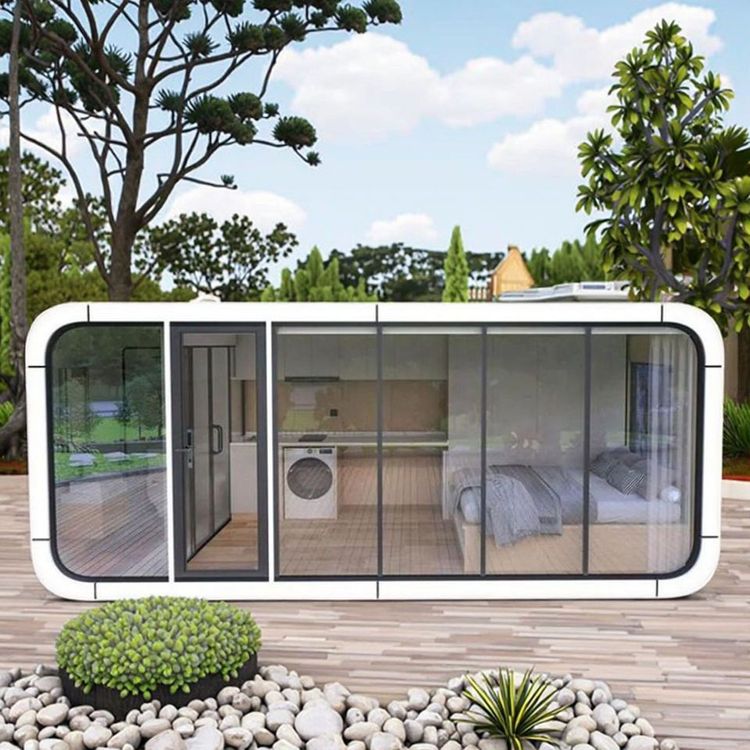
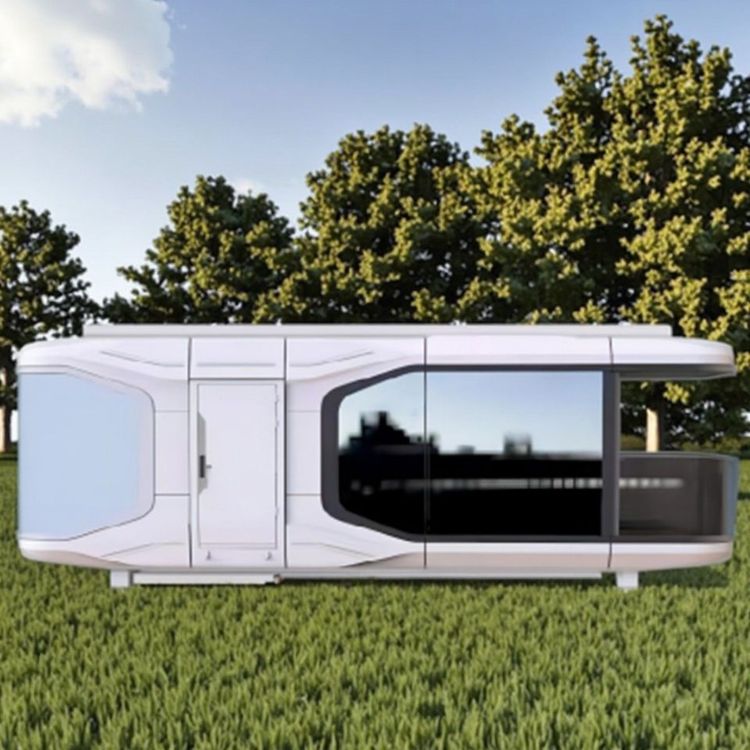
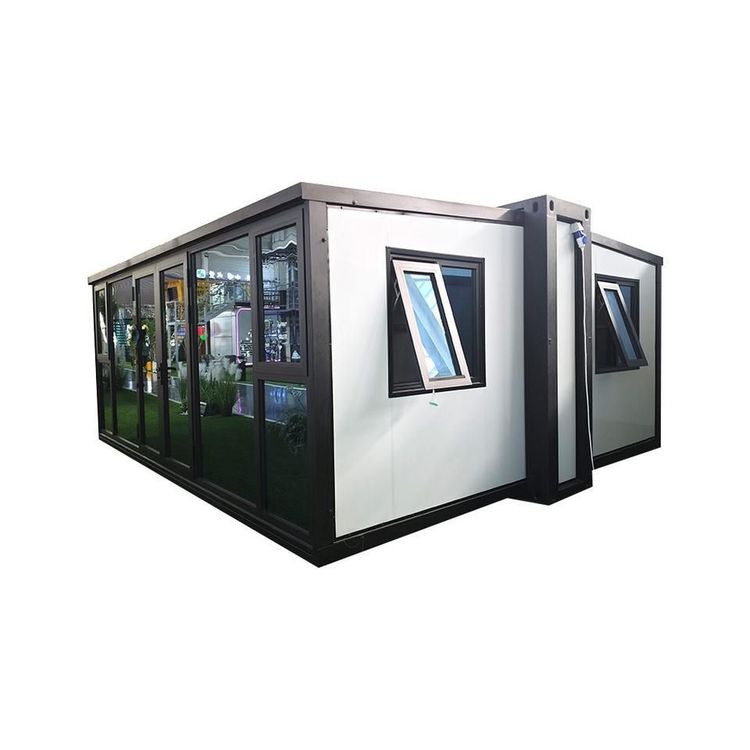
Container house camping style takes standardized containers as its base and breaks through the traditional industrial feel through structural modifications and aesthetic designs. For example, curved or rounded exteriors are adopted to optimize wind resistance and drainage performance while enhancing visual appeal. The container surfaces can be customized with coatings, unique shapes, or ambient lighting to create differentiated themes such as trendy internet-famous styles and literary retro styles. Internally, modular design integrates living functions, filled with high-density insulation materials like rock wool or polyurethane, combined with double-glazed tempered glass to address issues of poor sound insulation and stuffiness in traditional containers, ensuring comfort. Additionally, reserved water and electricity pipeline interfaces and adjustable doors and windows support rapid assembly and functional expansion.
2. Performance Advantages and Scenario Adaptation
Container house camping style boasts wind and earthquake resistance, environmental friendliness, and rapid construction. Structurally, it employs a full steel frame or thermal-break lining design to withstand 12-level strong winds and earthquake impacts, meeting the needs of extreme environments. Materially, it utilizes retired containers, reducing construction waste and having a carbon footprint only 1/2.3 that of traditional concrete buildings. The construction period is 60% shorter than that of traditional buildings, supporting rapid opening or seasonal layout adjustments for campsites. Its application scenarios are extensive, including homestay accommodations in natural environments like seashores and mountains, temporary rest facilities at scenic spot entrances, and commercial complements in night markets and creative parks, adapting to various businesses such as coffee houses, cultural and creative shops, and leisure stations through a "one-container-multiple-uses" design.
3. Customization and Full-Chain Services
To meet the differentiated needs of campsites, professional manufacturers offer full-process services from design to implementation. For example, service providers in Tianjin can customize double-decker container combinations or large-scale commercial street layouts according to site planning requirements, incorporating features like observation decks and internet-famous check-in installations. Shanghai enterprises achieve efficient delivery through factory prefabrication and on-site modular assembly, offering services like 7-day replacement and 24-hour shipping. Additionally, some manufacturers provide personalized customization of exterior coatings and interior layouts to help operators create unique IPs and enhance site traffic and business value.