Back to blog
Article
Container Composite Housing Wholesale
Admin September 15, 2026
When wholesaling container composite housing, it is necessary to comprehensively consider product types, manufacturer qualifications, scenario adaptability, and cost-effectiveness. The following is an analysis from four dimensions:

I. Product Types and Structural Performance
Container composite housing mainly falls into three categories:
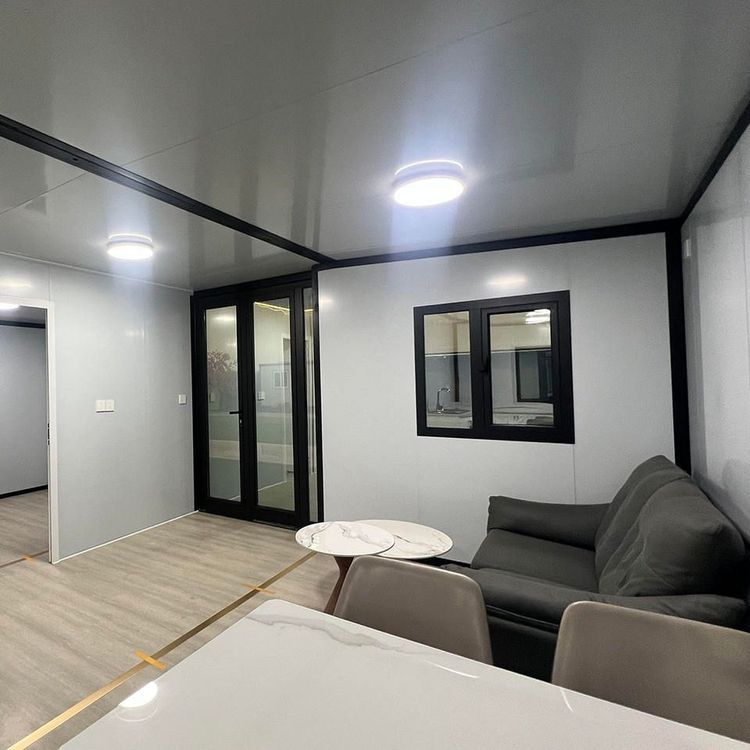
- Packing-box units: These use hot-dip galvanized cold-formed steel frames paired with fire-resistant polyurethane sandwich panels. They offer thermal insulation and fire resistance, can be used independently or stacked in multiple layers, and are suitable for construction site dormitories, office areas, and other scenarios.
- Light steel keel houses: These employ cold-formed thin-walled light steel keels for load-bearing, with walls filled with insulation materials. Their appearance and layout can be flexibly customized, making them suitable for long-term use scenarios such as cultural tourism homestays and scenic area supporting housing.
- Functional booths and supporting housing: These have adjustable sizes and layouts and are commonly found in security booths, property booths, and environmental protection public toilets.
Core performance indicators: Attention should be paid to the rust and corrosion resistance of the frame steel (such as hot-dip galvanizing treatment), the fire rating of the wall panels (such as rock wool or polyurethane sandwich panels), structural stability (load-bearing capacity after multiple disassemblies and assemblies), and the degree of disassembly and assembly loss.
II. Manufacturer Qualifications and Compliance Services
- Production qualification verification: Prioritize manufacturers with steel structure processing technology certifications and domestic and international project delivery experience, such as enterprises that have passed ISO quality management system certification or CE EU certification.
- Compliance guarantees: Confirm whether the products meet cross-border export qualifications (such as the requirements under HS code 9406 of customs), low-carbon attribute certifications (such as environmental protection standards that reduce construction waste emissions by 90%), and multiple reuse capabilities (the average number of disassembly and reuse times for products from leading manufacturers can reach more than 8 times).
- After-sales capabilities: Examine whether the manufacturer provides project implementation support, regular maintenance services, and a rapid response mechanism.
III. Scenario Adaptability and Customization Capabilities
- Engineering camp scenarios: Modular housing that supports rapid assembly and multiple relocations should be selected, such as construction site color-steel houses that can be shipped within 48 hours.
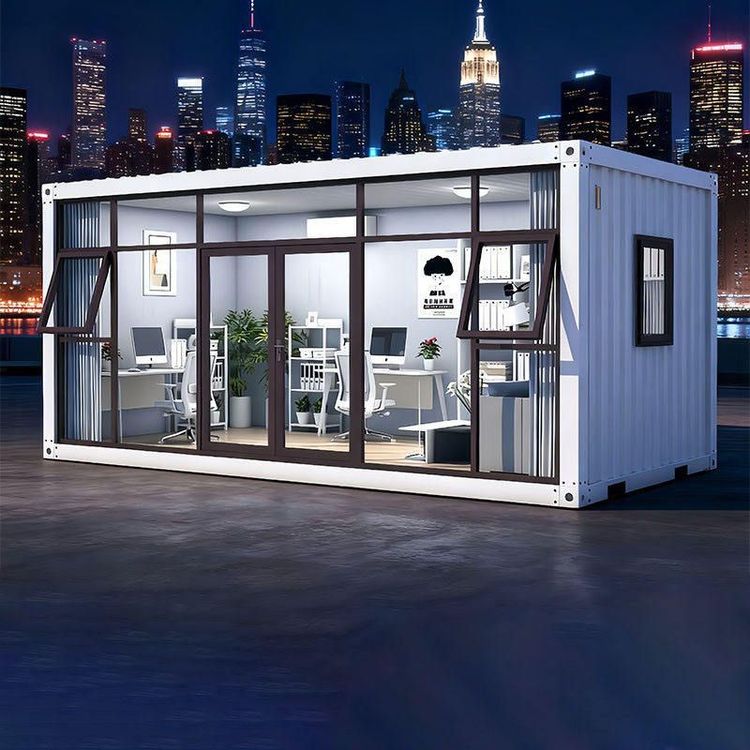
- Cultural tourism homestay scenarios: Prioritize customizing light steel keel houses with personalized appearances and flexible internal functional modifications, such as wood-grain prefabricated composite houses or glass-curtain-wall container houses with interior decoration.
- Emergency support scenarios: Focus on the versatility and rapid deployment capabilities of the products, such as expandable steel container houses or foldable packing-box portable houses.
IV. Cost-Effectiveness and Full Lifecycle Management
- Procurement costs: Choose entry-level products (such as temporary settlement houses priced at ¥196.0) or high-end products (such as L-shaped combined container quick-assembly houses priced at ¥10,600.0) according to the budget.
- Operation and maintenance costs: Evaluate the full lifecycle costs of the products, including disassembly and assembly loss, maintenance frequency, and resource utilization (such as low-carbon products that can reduce construction waste emissions by 90%).
- Advantages of bulk procurement: Some manufacturers offer tiered pricing. For example, the bulk procurement price of a 20-foot container house can be as low as ¥26,695.73 per set.
Related