
Back to blog
Article
Thermal Insulation of Container Houses
Admin September 15, 2026
Achieving thermal insulation in container houses primarily involves optimizing the structure, selecting appropriate materials, and improving detail handling, as detailed below:
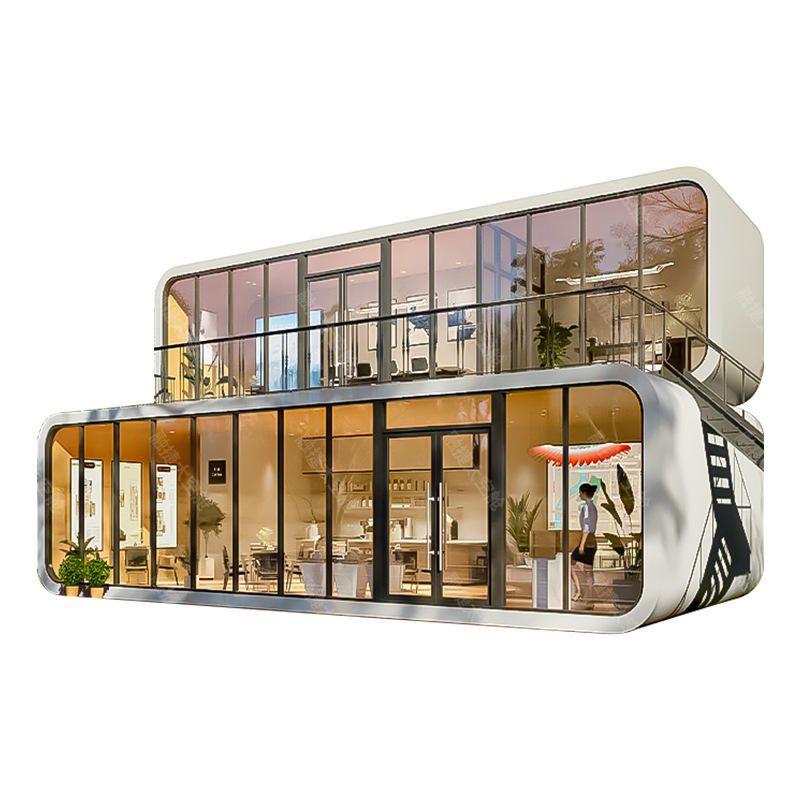
Structural Optimization
- Three-Layer Construction: Some container houses adopt a three-layer construction to enhance thermal insulation. For instance, the outer layer uses 0.6mm thick galvanized steel to resist wind and sand erosion; the middle layer is filled with 80 to 100mm thick rock wool as the main insulation layer; and the inner layer employs PVC-coated steel plates to reduce thermal radiation. Another structure uses anti-corrosion color-coated steel plates on the outer layer to reflect sunlight, a polyurethane foam layer over 50mm thick in the middle to block heat conduction, and an inner layer of fire-resistant gypsum board plus a moisture-proof film for humidity and temperature control.
- Thermal Break Lining Structure: To address the thermal bridge effect of metal container walls, a thermal break lining structure is employed. This involves filling hard polyurethane foam between the steel frame and the inner wall panels, and adding rubber thermal insulation pads at the frame connections to reduce heat exchange between the interior and exterior of the container.
- Elevated Floor Layer: Some companies add an elevated floor layer at the bottom of the container to block ground thermal bridges and reduce heat loss through the floor.
Material Selection
- Common Thermal Insulation Materials: Polystyrene boards, polyurethane foam boards, and rock wool boards have low thermal conductivity and good thermal insulation properties, effectively blocking heat transfer. For example, a new building material made of black steel plates with polystyrene foam inside offers high thermal insulation; increasing the foam thickness also enhances insulation.
- Special Materials: Sandwich panels with aluminum foil reflective layers can reflect part of the heat, improving thermal insulation.
Detail Handling
- Window and Door Sealing: Pay attention to the airtightness of window and door seals and joints, using double or triple-glazed windows and adding seals around the edges of windows and doors to reduce heat leakage.
- Jointing Techniques: Excellent sealing techniques can reduce the thermal bridge effect at the seams of temporary building panels, minimizing the overall reduction in thermal insulation performance.
- Temperature Control Equipment: Adding air conditioners, entrance air curtains, graphene floor heating, and other facilities to regulate indoor temperature and assist in achieving thermal insulation.



