
On-site Installation of Portable Toilets at Construction Sites
On-site installation services for portable toilets at construction sites have become quite common, providing users with a one-stop solution. The following is an introduction from five aspects: service content, equipment types, material specifications, product types, and service provider selection.
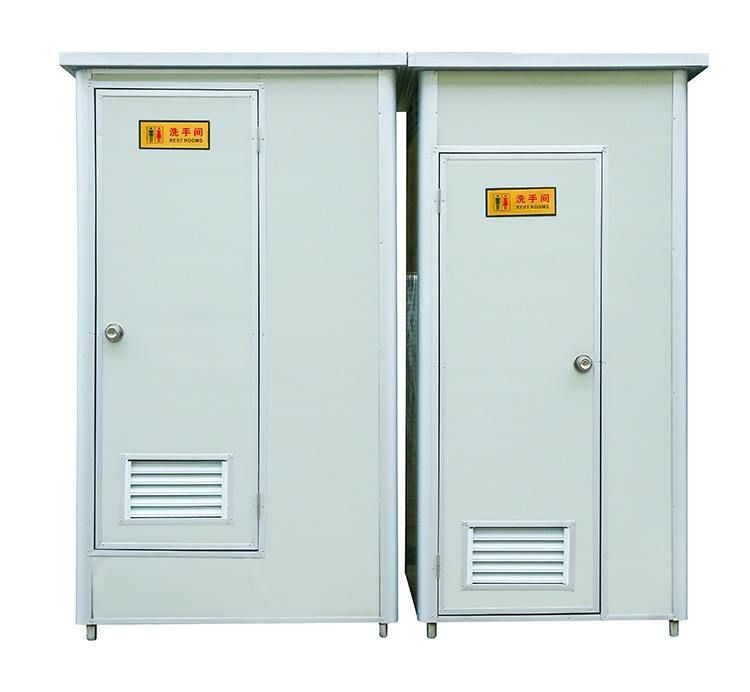
Service Content includes equipment transportation, on-site installation and commissioning, and after-sales support. Service providers offer a full range of one-stop services, including transporting portable toilets to designated locations at construction sites, completing on-site installation and commissioning to ensure normal equipment operation. Additionally, they provide after-sales support such as regular maintenance, cleaning, and equipment replacement, reducing users' subsequent management costs.
Equipment Types and Advantages are designed to meet diverse needs with a variety of options. Portable toilets come in single-person, double-person, and barrier-free models, adaptable to different usage scenarios and population requirements. The equipment is constructed using eco-friendly materials (such as waterproof and moisture-proof color-coated steel plates and fiberglass), ensuring a sturdy and durable structure that can operate stably even in complex outdoor environments (such as high temperatures, humidity, and dust), thereby extending service life.
Material and Specification Selection supports flexible customization. In terms of materials, options include color-coated steel plates (lightweight and durable), fiberglass (corrosion-resistant), metal embossed plates (aesthetically pleasing and rust-resistant), or plastic integrated molding (lower cost). Regarding specifications, in addition to standard models like single-person, double-person, triple-person, and quadruple-person units, sizes can be customized based on the actual available space and user numbers at construction sites, ensuring a high degree of fit between the equipment and the site.
Product Types offer differentiated solutions for different scenarios.
- Flush Type: Requires connection to water supply and drainage pipes, providing a user experience similar to home toilets, suitable for areas with stable water supply and drainage conditions (such as construction sites near cities).
- Waterless Packing Type: Does not require a water source, using specialized packing bags to collect waste, suitable for remote areas lacking water or unable to connect to drainage pipes (such as construction sites in mountainous or desert regions).
- Foam Sealing Type: Uses foam instead of water for flushing, combining water-saving and odor-control advantages, suitable for high-traffic scenarios with high water-saving requirements (such as construction sites near scenic spots or parks).
Key Points for Service Provider Selection should focus on compliance and experience.
- Compliance Qualifications: Verify that the service provider holds business licenses and other operational qualifications to avoid choosing unlicensed institutions that may lead to subsequent disputes.
- Industry Experience: Prioritize service providers with experienced core teams who can provide more suitable model selection recommendations based on the actual needs of the construction site (such as usage frequency and personnel composition), optimize installation plans, and enhance equipment usage efficiency.



