Capacity of Portable Toilets at Construction Sites
The capacity of portable toilets at construction sites is typically determined based on the number of toilet stalls and usage requirements, with no fixed single value. However, their service capacity range can be clarified through classification and calculation.

I. Capacity Range Classified by Number of Toilet Stalls
The capacity of portable toilets is directly related to the number of toilet stalls and is generally classified into three categories:
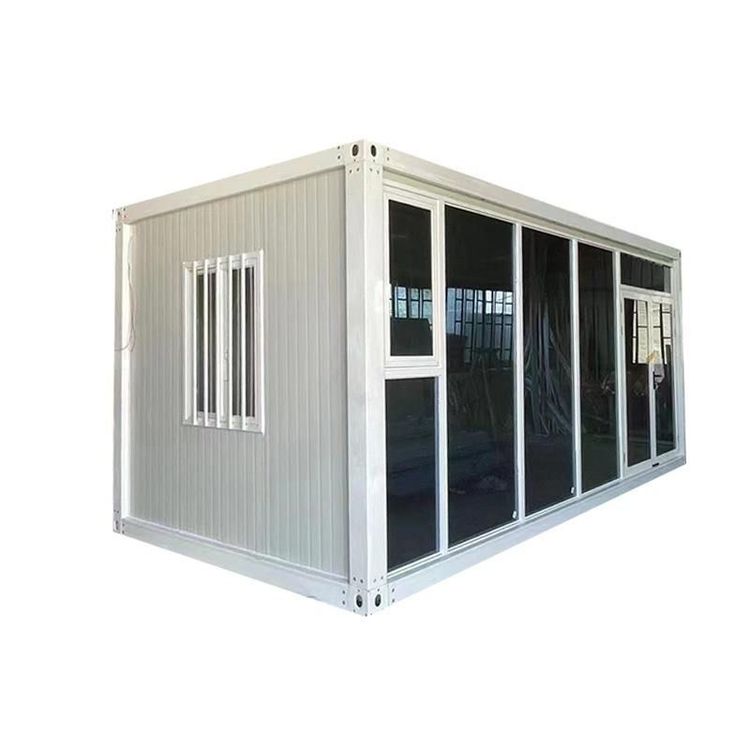
- Small Portable Toilets: These include 3-5 toilet stalls and are suitable for small construction sites, with a theoretical maximum simultaneous service capacity of 3-5 people. These toilets are compact in size, facilitating flexible movement, but have limited service capacity, making them suitable for scenarios with fewer personnel.
- Medium Portable Toilets: These have 6-10 toilet stalls and can be used at medium-sized construction sites, with a simultaneous service capacity of 6-10 people. Their capacity is moderate, meeting the daily needs of medium-sized construction sites, and their footprint and relocation costs are relatively manageable.
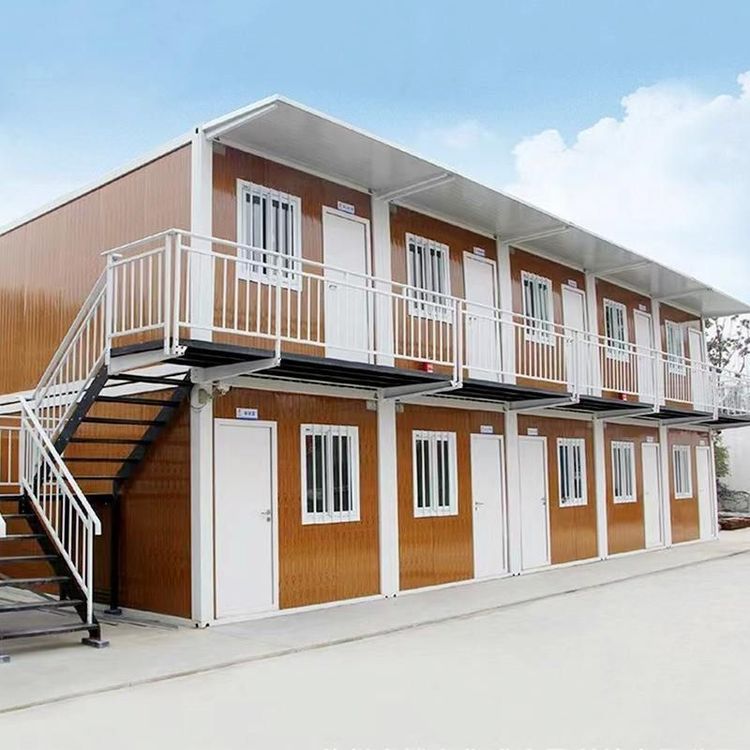
- Large Portable Toilets: These have more than 10 toilet stalls and are suitable for large construction sites or densely populated areas, with a simultaneous service capacity exceeding 10 people. These toilets are typically equipped with more functional areas (such as sinks and management rooms), but the convenience of transportation and installation must be considered.
II. Capacity Calculation Based on Usage Requirements
The actual capacity needs to be estimated comprehensively based on the size of the workforce and usage frequency at the construction site:
- Industry Standard: Calculate one toilet stall per 150-200 people. For example, for a construction site expected to have 3,000 people, if one toilet stall is allocated per 200 people, approximately 15 toilet stalls are needed, meaning at least 1-2 combinations of medium and large portable toilets are required.
- Construction Team Size Reference: Taking a 50-person construction team as an example, if the toilets are used 200 times a day, a large portable toilet with 3-6 stalls should be selected to meet high-frequency usage needs.
- Peak Period Reserve: During peak construction periods (such as concrete pouring periods), it is recommended to increase the reserve of toilet stalls by 20%. For example, if 10 toilet stalls are originally planned, they should be increased to 12 during peak periods to avoid queuing.
III. Dynamic Estimation of Daily Usage Capacity
The daily service capacity of portable toilets is significantly affected by usage periods:
- Peak Hours: One toilet stall can serve an average of 8-12 people per hour. For example, a portable toilet with 10 stalls can serve 80-120 people per hour during peak hours (such as from 10 a.m. to 12 p.m.).
- Non-Peak Hours: Usage frequency decreases, and the number of people served per hour by a single toilet stall may drop to 3-5.
- Total Daily Capacity: Assuming peak hours account for 30% of daily usage time, a portable toilet with 10 stalls can serve approximately 500-800 people per day (specific calculations need to be combined with actual usage duration).
Summary: The capacity of portable toilets at construction sites needs to be determined comprehensively based on the number of toilet stalls, workforce size, usage frequency, and peak period requirements. Small construction sites can opt for 3-5 stalls, medium-sized sites need 6-10 stalls, and large sites require more than 10 stalls, with a 20% reserve to meet peak demands.