
Portable Toilet Steel Explained: How to Choose the Right One
Choosing the right steel portable toilet requires a comprehensive consideration of six core factors: material, mobility, functionality, durability, scenario adaptability, and cost.
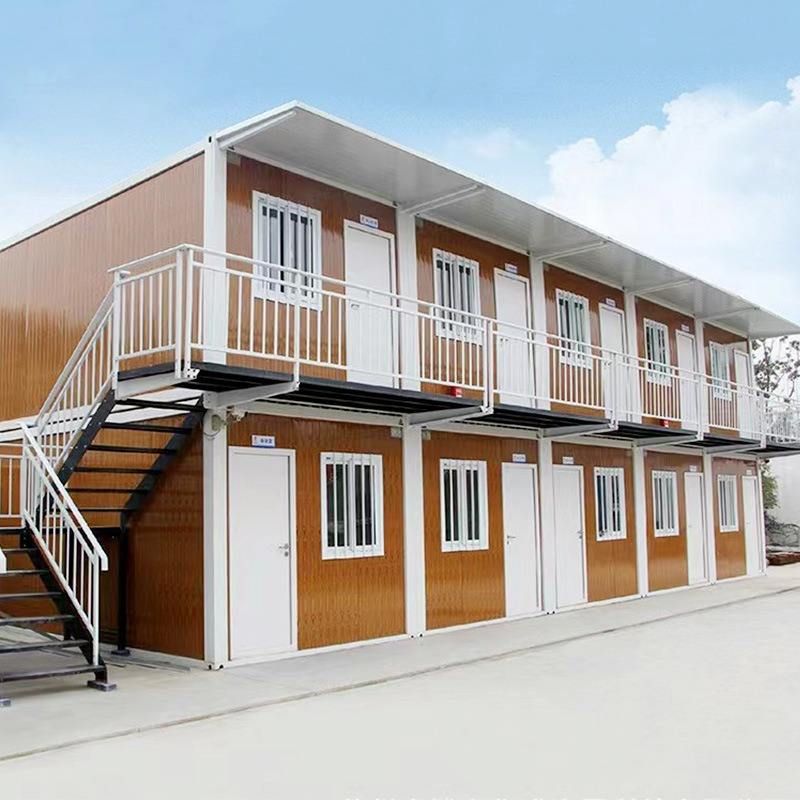
Material and Structure: Prioritize structures with steel frames paired with composite panels (such as aluminum panels, stainless steel, or plastic sandwich panels). The steel frame provides high-strength support, while the composite panels offer a balance of lightweight and corrosion resistance. For example, a combination of a corrosion-resistant steel frame and a waterproof plastic panel can effectively resist outdoor environmental erosion from rain and humidity, extending the service life.
Mobility and Assembly Methods: Choose flexibly based on the usage scenario. For short-term events (such as music festivals and exhibitions), it is recommended to select models with wheeled bases or foldable structures for easy and rapid transportation and deployment. For long-term fixed locations (such as construction sites and scenic spots), integral hoisting models can be chosen, which are moved by cranes or trailers and offer greater stability. In emergency scenarios (such as disaster relief), modular designs are required, supporting the assembly of 7-10 units by one person within one hour to enhance response efficiency.
Functional Configuration: Basic functions should include a toilet seat, water tank, ventilation system (odor prevention), and lighting. To enhance the user experience, customizable options such as storage cabinets, power outlets, sinks, or hand dryers can be added. For scenarios with high environmental requirements (such as ecological scenic spots), products that support various disposal methods such as water flushing, waterless suction, recirculating water flushing, or dry packing should be selected to ensure compliance with local environmental standards.
Durability and Maintenance: Pay attention to the rust prevention treatment of the steel frame (such as galvanizing or spraying anti-corrosion coatings) and the anti-aging performance of the panels (such as UV protection layers). High-quality products can have a lifespan of 7-10 years, and modular designs facilitate the replacement of damaged parts, reducing long-term maintenance costs. Some brands offer online technical support and a one-year warranty service, further reducing usage risks.
Applicable Scenarios: For short-term events, lightweight models are preferred; for long-term fixed locations, stability is emphasized; for extreme environments (such as high-altitude cold or high-humidity areas), it is necessary to confirm that the products have passed certifications such as CE and RoHS to ensure safety and environmental compliance.
Cost and Budget: The price range for basic models is $199-$399 per set (EXW price), and high-end customized models may be more expensive. It is necessary to comprehensively evaluate the material, functional configuration, and long-term maintenance costs to avoid choosing low-quality products due to low prices, which may result in frequent subsequent repairs or replacements.
Example Selection: For outdoor music festivals, models with steel frames + plastic sandwich panels, wheeled bases, and sinks can be selected; for construction sites, integral hoisting models with dry packing disposal and corrosion-resistant steel frames are recommended. By matching needs with the budget, the optimal solution can be screened out.



