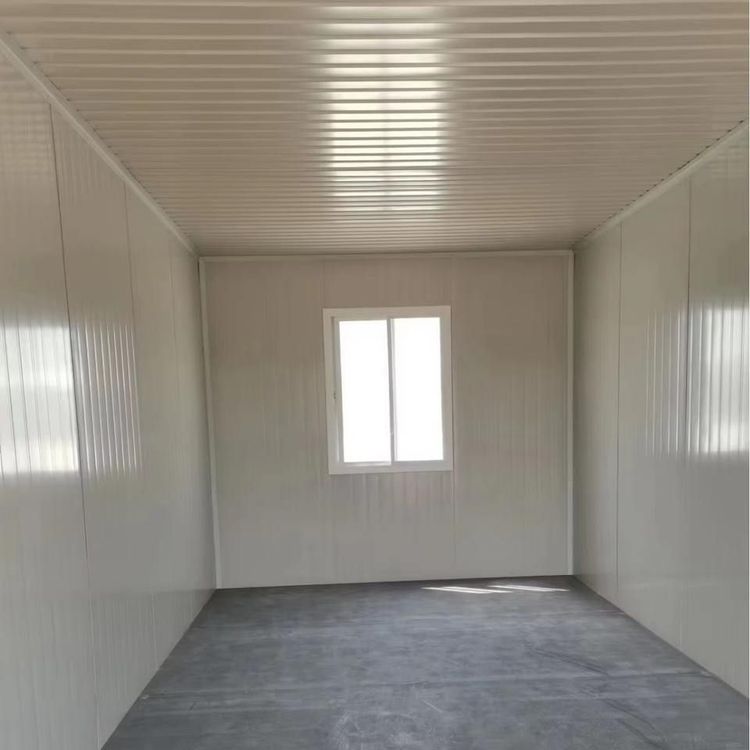
How to Account for Portable Toilets at Construction Sites
The accounting methods for portable toilets at construction sites should combine daily record-keeping with accounting treatments, as detailed below:

I. Daily Record Management
Establish a Usage Record Sheet
Record in detail the daily usage frequency, number of users, and duration of use. This data should be regularly collected and filled in by administrators or staff. It reflects the actual usage frequency of the portable toilets, providing a basis for subsequent resource allocation (such as cleaning frequency and supply replenishment).Record Maintenance and Cleaning
After each cleaning or maintenance, record the specific time, maintenance content (such as replacing consumables or unclogging pipes), and associated costs (such as labor and material expenses). This step ensures the long-term usability of the portable toilets while clarifying maintenance costs.Record Water and Electricity Consumption
Track the water and electricity usage of the portable toilets by installing meters or using estimation methods. This data helps analyze the rationality of resource consumption, prevents waste, and provides a reference for cost allocation.Establish a Cost Summary Sheet
Compile information on construction costs (such as purchase, transportation, and installation expenses), maintenance costs, and utility expenses to form an overall cost list. This sheet provides a clear overview of the total lifecycle costs of the portable toilets, aiding managers in budget control and decision-making.
II. Accounting Treatments
At Purchase
- If the portable toilet has a high value and a long service life, it can be recorded under the “Fixed Assets - Portable Toilets” account, with a credit to “Bank Deposit” or “Accounts Payable”;
- If it has a low value or a short usage cycle, it can be recorded under the “Current Assets - Low-Value Consumables” account, with a credit to “Bank Deposit”;
- Alternatively, it can be recorded under the “Temporary Facilities” account based on the project's nature, reflecting its temporary asset status.
At Amortization
- If recorded as long-term prepaid expenses, amortize monthly by debiting “Administrative Expenses - Others” and crediting “Long-Term Prepaid Expenses”;
- If recorded as current assets, choose one-time amortization (for low-value consumables) or multiple amortizations (based on the usage cycle) by debiting “Construction Contract Costs - Indirect Expenses” and crediting “Current Assets.”
At Depreciation
Depreciate according to the company's depreciation policy (such as the straight-line method or double-declining balance method) by debiting “Depreciation Expenses” and crediting “Accumulated Depreciation.” This step applies to portable toilets recorded as fixed assets, reflecting the gradual consumption of their value over use.At Maintenance
When maintenance costs are incurred, debit “Maintenance Expenses” and credit “Bank Deposit” or “Raw Materials.” This account should correspond with daily maintenance records to ensure accurate cost allocation.
By combining daily record-keeping with accounting treatments as described above, comprehensive cost control for portable toilets at construction sites can be achieved, meeting both project management needs and financial compliance requirements.