Convenience of Mobile Toilets for Citizens
The convenience of mobile toilets for citizens is primarily reflected in aspects such as site selection and layout, facility provision, and intelligent services, although there are also instances of unreasonable design.
Flexible Site Selection and Layout to Meet Diverse Needs
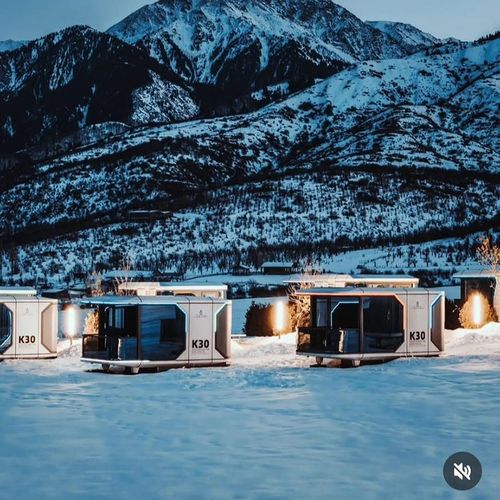
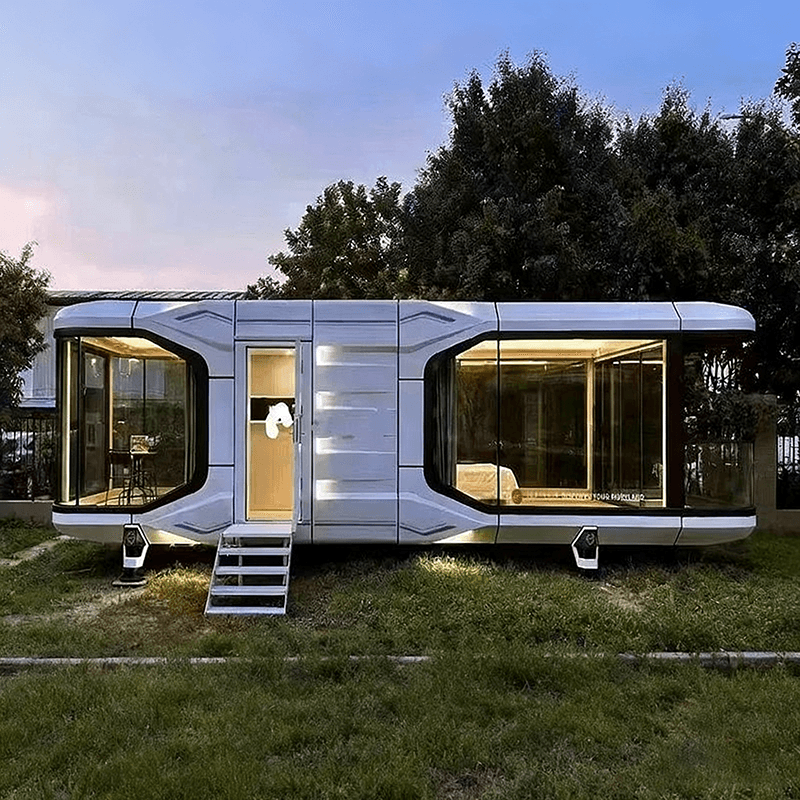
The core advantage of mobile toilets lies in their mobility, enabling rapid deployment to fixed or temporary locations based on actual needs, such as stations, docks, and tourist attractions. For example, the mobile prefabricated public toilets in Huaxin Town, Qingpu District, have improved the supporting facilities of the 15-minute living circle through flexible site selection, filling the gaps in surrounding sanitation facilities and providing convenient services for citizens and tourists. Additionally, the newly added mobile public toilets on Binhe Avenue directly address the toilet needs of travelers, demonstrating the rationality of spatial layout.
Comprehensive Internal Facilities Catering to Humanized Needs
Modern mobile toilets emphasize the combination of functionality and comfort. On one hand, they meet the needs of different groups by optimizing toilet stall ratios (e.g., increasing female stalls) and setting up third toilets. On the other hand, they are equipped with separate toilets and urinals for children and adults, as well as baby care stations and child seats, covering usage scenarios for all age groups. Furthermore, the inclusion of barrier-free designs (e.g., toilet grab bars, sink grab bars) and convenience facilities (seats, wheelchairs, canes) further enhances the user experience for special groups.
Intelligent Systems Enhance Toilet Efficiency
Some mobile toilets incorporate smart public toilet systems that provide real-time feedback on toilet stall usage and environmental data such as temperature and humidity through displays at the entrance. This design not only reduces waiting times for citizens but also ensures the comfort of the toilet space through environmental monitoring, reflecting the technological upgrade of traditional public facilities.
Design Flaws Still Require Improvement
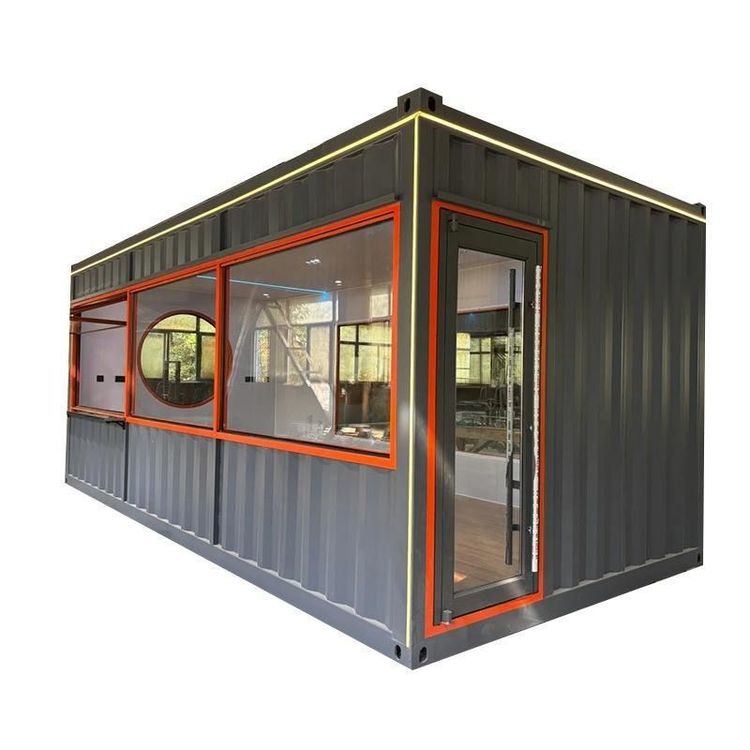
Despite their significant advantages, some mobile toilets have unreasonable design aspects. For instance, the windows of certain mobile toilets are overly transparent, allowing almost complete visibility from the outside, leading to privacy breaches for citizens during use and causing embarrassing situations. Such issues reflect a lack of user perspective in the detailed design of some products, necessitating solutions through material optimization or structural adjustments.
In conclusion, mobile toilets have significantly improved the convenience of public toilets through flexible deployment, humanized design, and intelligent services, but continuous optimization of details is needed to avoid conflicts between functionality and privacy.