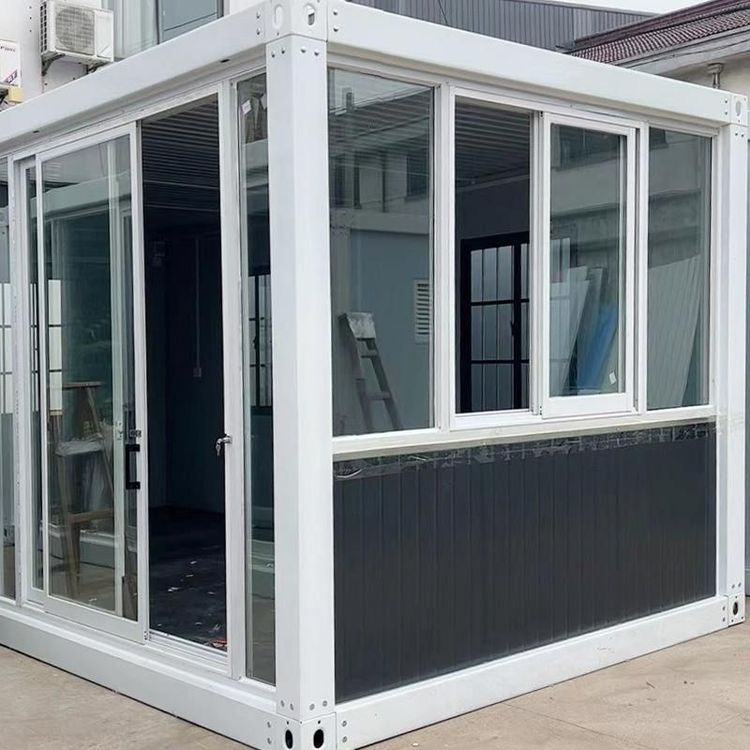
Chinese Modular Prefabricated Housing
Chinese modular prefabricated housing is a construction model that breaks down buildings into independent modules, prefabricates them in factories, and then transports them to the site for assembly. It is characterized by high efficiency, environmental friendliness, and wide application, with significant competitiveness in the global market.
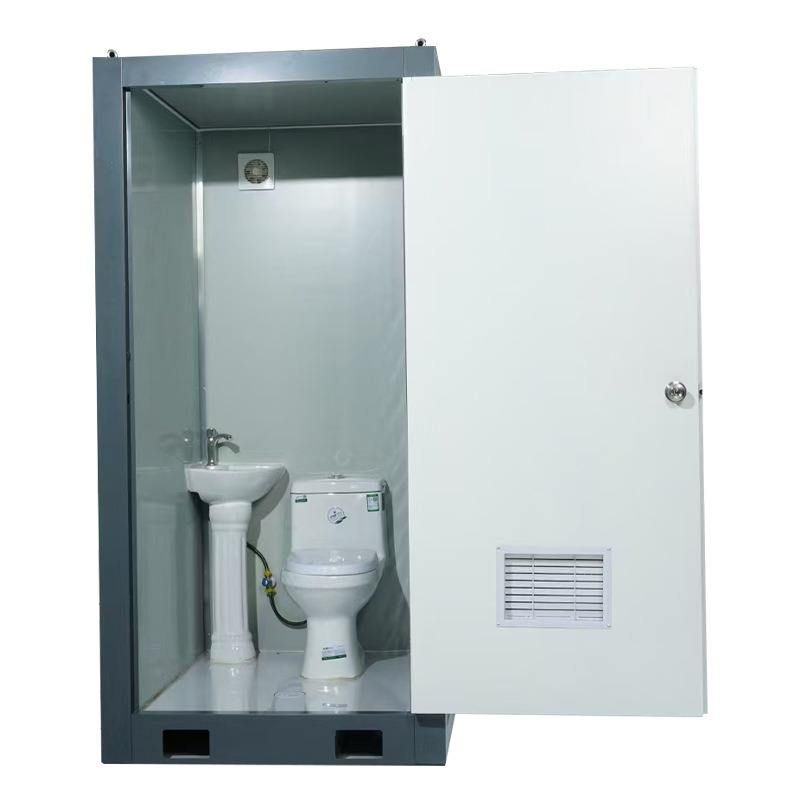
Core Features and Production Model
Modular prefabricated housing achieves efficient construction through standardized design, factory-based production, and assembly-based construction. In factories, ceilings, floors, plumbing and electrical systems, interior finishes, and even waterproofing layers are prefabricated on assembly lines, with errors controlled to the millimeter level to ensure consistent quality. Unlike traditional on-site sequential construction, factories employ parallel operations, integrating automated vertical warehouses and intelligent production lines to reduce construction periods by over 60%. For example, the on-site hoisting of a 63-module elderly care apartment in the UK took only two weeks; in Shenzhen, Guangdong, the construction period for five nearly 100-meter-high affordable housing projects was compressed from 2.5-3 years to just one year, with on-site labor reduced by about 50%.
Advantages and Application Scenarios
Modular buildings offer advantages such as good earthquake resistance, environmental friendliness (reducing construction waste by about 80%), short construction periods, controllable quality, and energy efficiency with easy maintenance. Their application scenarios are extensive, covering hotels, elderly care apartments, dormitories, office buildings, residential housing, schools, hospitals, and more. With the surging demand for global data center construction, they are rapidly expanding in overseas markets. For instance, CIMC Jiangmen has delivered modular data center projects with a total installed capacity exceeding 1000 megawatts to regions including Malaysia, Indonesia, the Middle East, and Italy.
Global Market Competitiveness
China's exports of modular prefabricated housing continue to grow, with a 45% increase in prefabricated housing exports in the first quarter of 2026, covering more than 150 countries and regions. According to Shenzhen Customs data, in the first four months of this year, the export value of portable houses by enterprises across the country through Shenzhen ports reached 1.68 billion yuan, a year-on-year increase of 19.6%. Market research institutions predict that the global modular construction market will exceed $142.8 billion by 2030. Leveraging its full industrial chain advantages, China has formed a standardized industrial product export model, spanning design and R&D, intelligent production, ocean freight logistics, and overseas installation, continuing to lead the global new赛道 (new track/sector).