Chaoyang Mobile Toilet Rental Process
The rental process for mobile toilets in Chaoyang typically includes six steps: needs assessment, service provider selection, agreement signing, delivery and installation, usage and maintenance, and recovery and settlement. Here are the specific details:

1. Needs Assessment/Confirmation
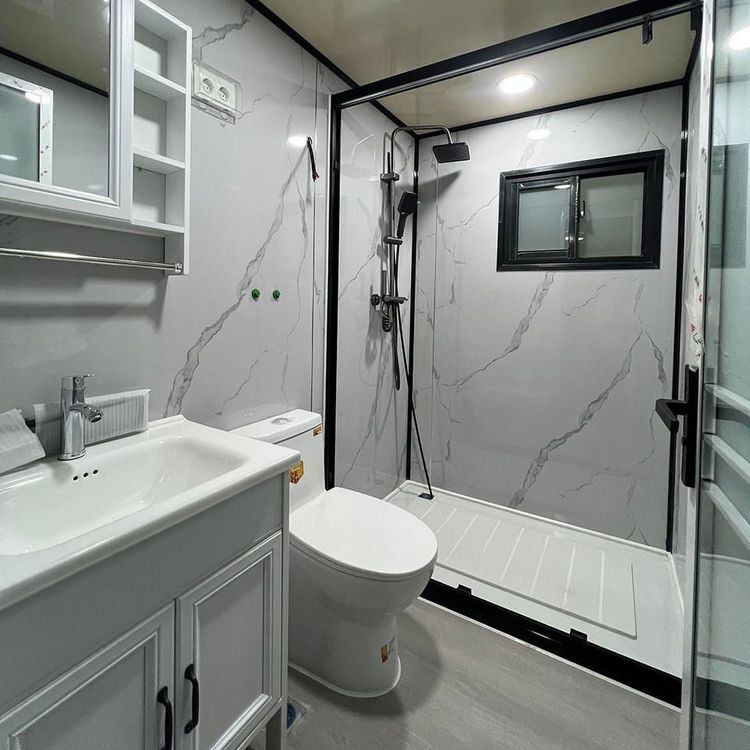
Before renting, it is necessary to clarify basic information such as the usage scenario (e.g., outdoor events, construction sites), the estimated number of users, and the duration of use. Choose the type of toilet based on the characteristics of the scenario: for events with over a thousand people, modular toilets are recommended to meet peak demand; for long-term usage scenarios like construction sites, more comprehensive facilities are required, such as independent toilets with sinks and ventilation systems. Additionally, determine the rental quantity and configuration requirements, such as whether to add accessible facilities or child-specific toilet stalls.
2. Service Provider Selection
Compare service provider qualifications through market research, focusing on the condition of the equipment, maintenance capabilities, and after-sales commitments. Prioritize companies with legal business qualifications and complete records of regular equipment inspections. Request past case references from service providers to evaluate their service response speed and problem-solving efficiency. For example, for event rentals, confirm whether the service provider can complete large-scale equipment deployment in a short time.
3. Agreement/Contract Signing
The contract should clearly outline core terms such as the rental period, delivery time, and installation requirements. Emphasize the agreement on cleaning and maintenance responsibilities: the service provider is usually responsible for regularly clearing waste, disinfecting equipment, and repairing faults, but the user is responsible for compensating for human-caused damage. It is recommended to adopt a phased payment method, with an initial deposit paid and the remaining amount settled based on the actual number of days used after the rental period ends.
4. Delivery and Installation
The service provider delivers the equipment to the designated location at the agreed time, ensuring that the transportation route meets load-bearing requirements (e.g., avoiding soft soil foundations). During installation, check the equipment's levelness to prevent inconvenience or damage caused by tilting. During the debugging phase, test functions such as flushing, ventilation, and lighting to ensure all facilities operate normally.
5. Usage and Maintenance
During the rental period, the service provider should provide daily cleaning services, with increased inspection frequency during peak times for event scenarios. Users must comply with hygiene regulations, prohibiting the disposal of debris or chemical waste into the toilets. In case of equipment failure, contact the service provider immediately for repairs to avoid disrupting normal use.
6. Recovery and Settlement
After the rental period ends, the service provider is responsible for dismantling the equipment and removing it from the site. Both parties jointly inspect the equipment's condition, and the deposit is refunded after deducting repair or损耗 (wear and tear) costs. It is recommended to retain the contract and payment receipts for at least 3 months for future dispute resolution.