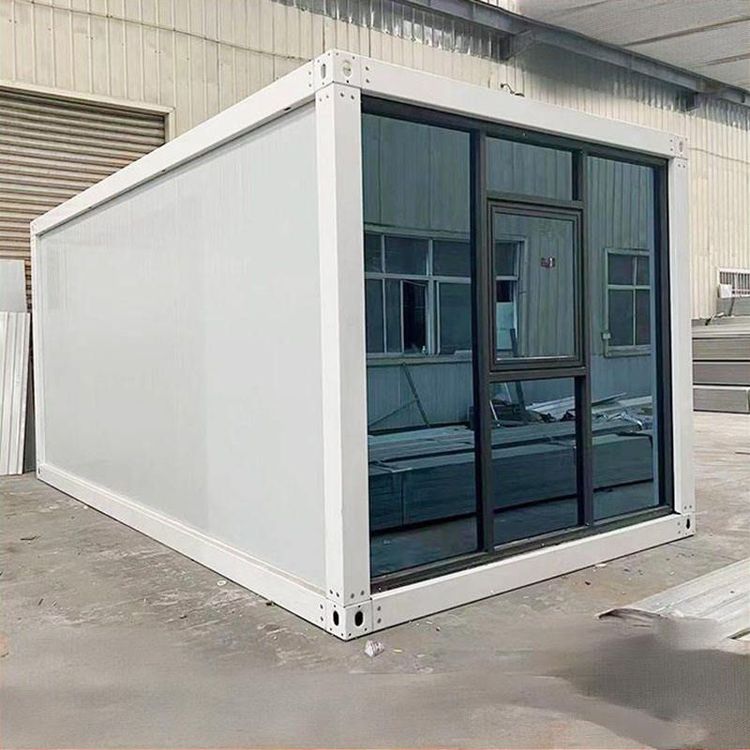
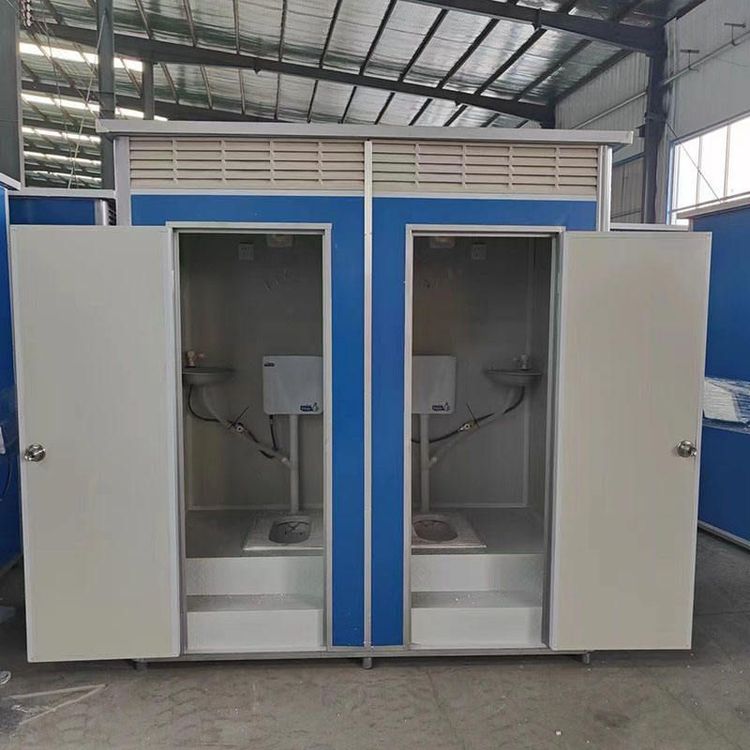
Changzhi Direct Discharge Mobile Toilet
The Changzhi direct discharge mobile toilet is a type of mobile toilet sewage system that requires connection to municipal or temporary sewage pipes and has specific requirements for on-site infrastructure. It is relatively common in the Changzhi mobile toilet market.

I. Basic Definition and Working Principle
The core feature of a direct discharge mobile toilet lies in its sewage discharge method: it directly discharges waste through pipes into pre-laid municipal sewage networks or temporary sewage systems. This design requires that the installation site must have accessible sewage pipes; otherwise, it cannot be used normally. Its working principle is similar to that of traditional fixed toilets, but it achieves mobility through modular design, making it suitable for temporary events, construction sites, or areas with incomplete municipal infrastructure.
II. Technical Adaptability and Market Applications
In the Changzhi mobile toilet market, direct discharge is one of the mainstream sewage system classifications. Its design must strictly align with the technical parameters (such as pipe diameter, slope, and material) of local municipal networks or temporary sewage pipes. For example, although the 2024 procurement announcement for mobile prefabricated public toilets in the main urban area of Changzhi did not explicitly mention 'direct discharge,' the procurement requirements covered 'all aspects' of mobile toilets, implying the possible inclusion of such technical configurations. This indicates that direct discharge technology has been incorporated into the standardized procurement scope of municipal public facilities in Changzhi.
III. Infrastructure Requirements and Limitations
The deployment of direct discharge mobile toilets requires the following conditions:
- Sewage pipe connection: There must be accessible municipal or temporary sewage pipes on-site, and the pipe location and height must match the toilet's sewage outlet;
- Electricity and water supply: Some direct discharge toilets require a flushing system, necessitating access to a stable water supply and electricity (such as electric sewage pumps);
- Site flatness: Pipe connections must ensure levelness to prevent waste retention or backflow.
If there are no sewage pipes on-site, alternative solutions such as fecal storage or biodegradation toilets must be adopted, highlighting the dependency of direct discharge toilets on infrastructure.
IV. Environmental and Maintenance Advantages
Compared to fecal storage toilets, which require regular waste removal, direct discharge toilets reduce odor diffusion and secondary pollution risks through instant pipe discharge while lowering the frequency of manual maintenance. However, it should be noted that their environmental performance depends on the subsequent treatment capacity of the sewage network (such as sewage treatment plants). If the network is aged or has insufficient treatment capacity, environmental issues may arise.