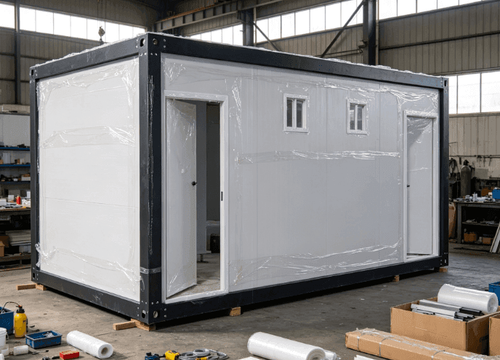
Changping Rental Mobile Toilet Methods
The methods for renting mobile toilets in Changping are as follows:

I. Requirement Confirmation Users need to clarify the specific requirements of the usage scenario, including the location of use (such as outdoor event venues, construction areas, etc.), the duration of use (start and end dates, as well as daily usage hours), the estimated number of users (used to determine the quantity and type of toilets), and preferences for toilet types (such as ordinary squat-type, sit-type, or barrier-free facilities). Clarifying requirements is the foundation for subsequent service matching, avoiding deviations in the rental plan due to incomplete information.
II. Service Consultation Consult through the official channels provided by the service provider (such as phone calls, official websites, or offline stores), focusing on understanding the following:
- Toilet Type Characteristics: The applicable scenarios and capacity differences of different types (such as single-unit, connected-unit, and trailer-mounted types).
- Rental Fee Composition: Including base rent, transportation fees, installation fees, cleaning fees, and possible overtime usage fees.
- Installation Requirements: Such as site flatness, water and electricity access needs (some toilets require external power or water sources), and space occupation dimensions. The service provider will provide a preliminary plan based on user needs, and users can compare multiple suppliers to choose the best partner.
III. Agreement Signing After both parties reach an agreement, sign a rental agreement, paying special attention to the following clauses:
- Rental Period: Clarify the start and end times and extension rules.
- Fee Details: Total cost, payment methods (such as deposit ratio, final payment settlement time), and违约赔偿 (breach of contract compensation) standards.
- Division of Rights and Responsibilities: The service provider is responsible for equipment transportation, installation, regular maintenance, cleaning, and final removal; users need to provide a suitable site, ensure the external safety of the equipment (such as preventing vandalism), and use it as agreed. Users should carefully read the agreement terms and request additional explanations if necessary to ensure their rights are not compromised.
IV. Installation and Debugging The service provider delivers the toilets to the designated location at the agreed time and confirms the following after completing installation and debugging:
- The equipment is firmly fixed without tilting or shaking.
- The sewage system (such as fecal storage tanks or sewage pipes) is properly connected.
- Ancillary functions such as ventilation, lighting, and door locks are operational. The installation process usually does not damage the site, but users need to clear obstacles in advance.
V. Usage and Maintenance During the rental period, users are responsible for daily cleaning (such as regular garbage removal and disinfection) and basic maintenance (such as checking door locks and ventilation openings). If equipment fails (such as sewage blockage or electrical faults), contact the service provider immediately for repairs; some service providers offer regular on-site inspection services. Users must not modify or move the equipment without authorization; otherwise, they may be liable for compensation.
VI. Recovery and Settlement After the rental period expires, the service provider recovers the toilets at the agreed time and checks their integrity. If the equipment is undamaged, the user pays the final payment to complete the settlement; if there is damage (such as vandalism or faults caused by improper use), the user needs to compensate according to the agreement. Users should retain maintenance records during the rental period as evidence in case of disputes.