
Can Mobile Toilets Be Built on the Beach?
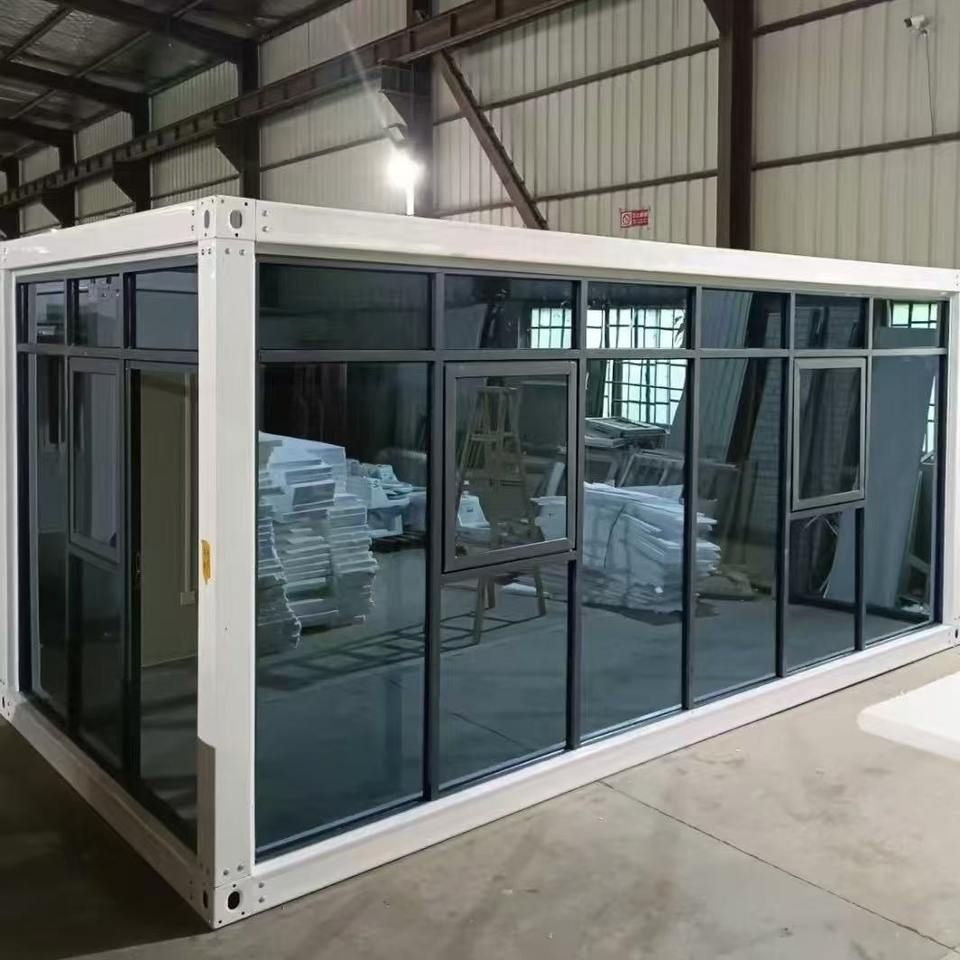
Mobile toilets can be built on the beach. They can meet the temporary toilet needs at the seaside. For example, seaside scenic spots or docks such as Jinfeng in Fujian and Yingkou Dock are equipped with mobile toilets, providing convenience for tourists and passersby. However, when building mobile toilets on the beach, the following aspects need to be noted:
I. Usage Scenarios and Costs
Some mobile public toilets adopt a "per-use charge + countdown" model. For instance, 10 yuan per use, and the countdown starts 5 seconds after use. This charging model means that users need to weigh the costs against convenience. It is advisable to use them only when necessary to avoid excessive costs due to frequent use.
II. Suitability for the Seaside Environment
The seaside environment is characterized by high humidity, high salinity, and strong ultraviolet rays. Ordinary public toilet materials are prone to rusting, aging, and damage in such an environment. Therefore, it is necessary to choose mobile public toilets that are corrosion-resistant, salt-fog-resistant, and ultraviolet-resistant. Priority should be given to public toilets made of stainless steel and fiberglass-reinforced plastic. These materials can effectively resist salt-fog corrosion and ultraviolet radiation, are less prone to aging and rusting, and can ensure the long-term stable use of the public toilets.
III. Proper Fixing and Protection
The wind at the seaside is relatively strong. If mobile toilets are not firmly fixed, they can easily be blown over or shaken by the sea breeze, posing safety hazards. The public toilets can be fixed to the ground with anchor bolts to enhance their stability. At the same time, the surface of the public toilets should be cleaned regularly to remove salt and dust, preventing long-term attachment of salt mist from causing material corrosion and extending the service life of the public toilets.
IV. Sewage Collection and Treatment
The sewage collection of seaside public toilets needs to be properly sealed to prevent sewage leakage from polluting the seawater and beach and causing damage to the marine ecological environment. The sewage should be regularly transported away to ensure environmental protection and pollution-free conditions. In addition, choosing waterless flush or recirculating water flush public toilets can reduce water consumption and is suitable for the scenario of water scarcity at the seaside, achieving reasonable resource utilization.



