Benxi Outdoor Mobile Toilet Customization
Benxi outdoor mobile toilet customization can be achieved through professional manufacturers, offering a variety of functions and configuration options. The following provides a detailed explanation from the aspects of custom manufacturers, functional configurations, applicable scenarios, and design considerations:

I. Selection of Custom Manufacturers
- Dalian Fuhua Hengrun Industrial Co., Ltd.: Offers the FHJC-02 mobile environmental toilet, branded as Fuhua Jicheng, made of fiberglass, and supports customization of sewage discharge methods. Its core advantage lies in the use of constant-humidity fermentation tank technology, which maintains microbial activity through solid-liquid separation and ventilation systems, allowing for up to 100 uses per toilet stall per day, with the microbial carrier not requiring replacement for a year. The manufacturer has full-function customization capabilities and can provide an APP remote cloud control system, suitable for scenarios requiring intelligent management.
- Cangzhou Hengtai Sanitation Equipment Co., Ltd.: With a production base covering over 20,000 square meters, it offers a full range of services including R&D, design, production, sales, and after-sales support. It supports customization of toilet styles, sizes, and the number of stalls, with a design team capable of providing modifications to appearance and interior renderings, suitable for projects with high demands for personalized design.
II. Functional and Configuration Customization
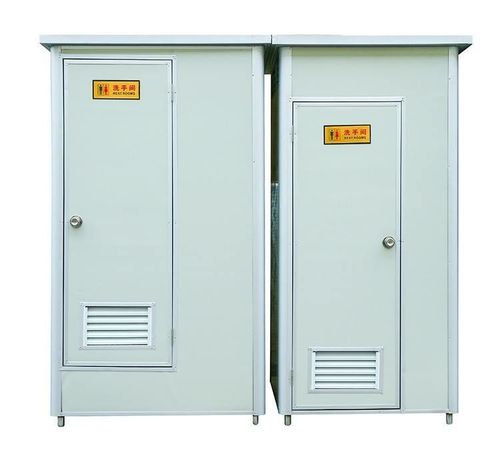
- Stall Functions: In addition to regular toilet stalls, shower stalls, management rooms, and third toilets (including safety handrails and barrier-free facilities) can be customized. Standard sizes are 2×2m for management rooms, 1.2×1.4m for toilet stalls, and 2×2m for third toilets, with sizes and styles adjustable.
- Fecal Treatment: Six treatment solutions are provided, including regular water flushing, high-pressure water flushing, circulating water flushing, vacuum self-priming, foam sealing, and dry packing, covering both water and waterless, high-temperature and low-temperature environments. For example, dry packing can be selected in arid regions, while foam sealing can be chosen in scenic areas to reduce odors.
- Standard Configurations: Standard equipment includes exhaust fans, lighting, squat toilets, and tissue boxes, with the option to add water storage tanks and septic tanks. In cold regions, thicker insulation layers and heating equipment can be added, while solar power systems are supported in areas without electricity.
III. Material and Structure Customization
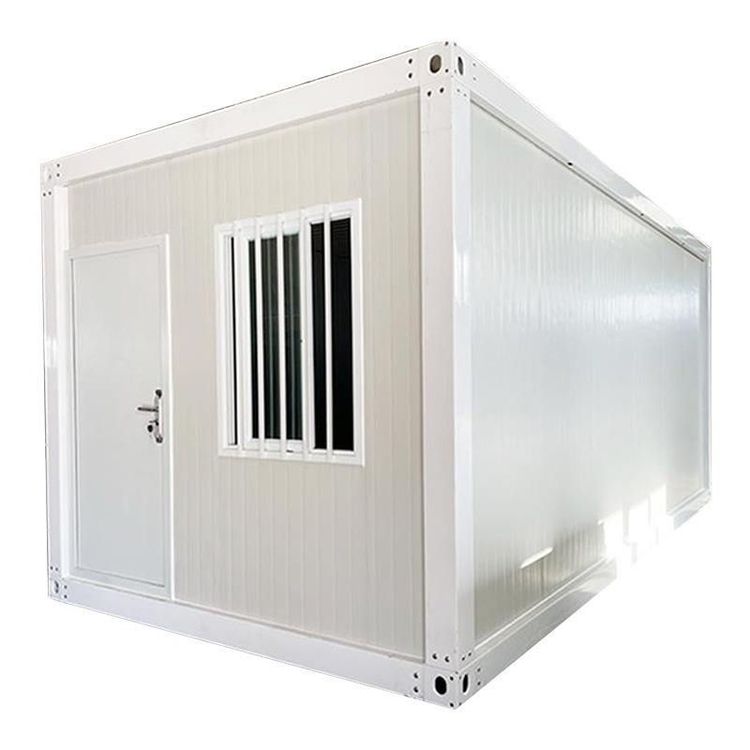
- Frame Structure: The main frame is made of 80×80×3.5mm or 80×60×3.5mm galvanized steel pipes, with auxiliary frames of 60×40×3mm or 30×30×3mm galvanized steel pipes, ensuring structural stability.
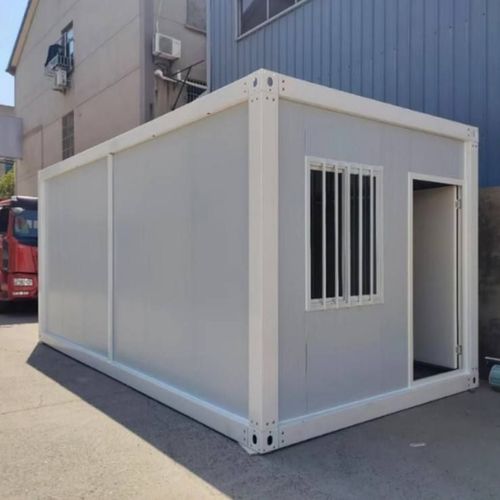
- Component Materials: Squat toilets can be made of ceramic or stainless steel; doors and windows use aluminum profile doors and thermal-break aluminum sliding windows; floors are laid with tiles or anti-slip aluminum plates; exterior wall cladding options include aluminum-plastic panels, metal carved panels, aluminum panels, and insulated tempered glass; roof designs support aluminum ceiling panels or white perforated panels + stainless steel groove designs.
IV. Applicable Scenarios and Design Considerations
- Scenario Coverage: Suitable for schools, residential areas, squares, scenic spots, factory areas, mining areas, etc., with configurations adjustable according to environmental characteristics. For example, in scenic spots, accessibility should be considered, with toilets located near tourist paths and accompanied by the construction of walkways; visibility should be achieved through eye-catching signs or unique exterior designs.
- Quantity Planning: The number of toilet stalls should be determined based on pedestrian traffic to ensure convenience. For example, high-traffic scenic spots require an increase in toilet stalls and the adoption of rapid treatment technologies (such as vacuum self-priming) to reduce queuing times.
Customizing outdoor mobile toilets requires a comprehensive consideration of functional requirements, environmental adaptability, and budget. It is recommended to prioritize manufacturers with full-chain service capabilities to ensure efficient衔接 in design, production, installation, and after-sales services.