
Benxi Craft Mobile Toilet
Benxi craft mobile toilets are characterized by excellent materials, efficient construction, environmental protection and energy conservation, advanced configurations, and flexible layouts.
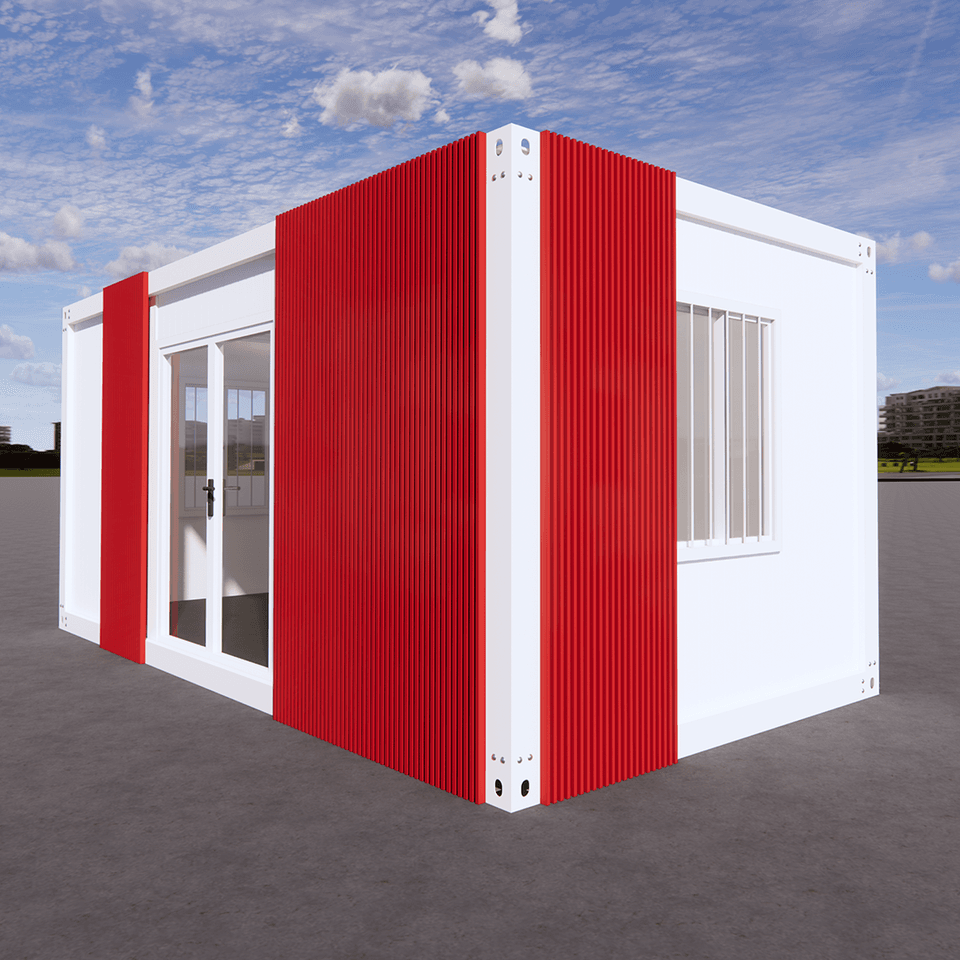
In terms of materials and craftsmanship: Benxi experiences cold winters with large temperature variations, and the material of mobile toilets affects their service life. Stainless steel is corrosion-resistant and easy to clean, making it a common choice for outdoor products. In contrast, galvanized sheets or ordinary iron sheets are prone to rust when exposed to moisture, affecting both appearance and structural safety. Meanwhile, the precision of welding craftsmanship is also crucial. Fine welding without burrs ensures the manufacturer's careful workmanship. For example, products from Shenyang Jintongchuang adopt welding techniques, which can better ensure structural integrity in the harsh cold environment of northern China.
Regarding construction methods: They employ overall structural prefabrication and modularization. The main structure is manufactured in a factory and quickly assembled on-site using standardized components. This approach eliminates the need for large-scale civil engineering projects, reduces construction waste generation during the construction process, and avoids long-term impacts on the surrounding soil structure caused by ground excavation.
In terms of material selection: The walls generally use composite materials with recyclable properties. After the end of their service life, they can enter the renewable resource recycling system. The roof often features solar collection devices that convert natural light into stored electrical energy for the daily operation of the internal lighting system. Some designs also integrate rainwater collection structures on the top, which, after simple filtration, can be used for the flushing system, achieving effective resource utilization.
Regarding internal system configurations: They boast advanced water-saving technologies, using air-pressure-assisted flushing devices that significantly reduce water consumption per flush compared to traditional flushing methods. Some facilities are equipped with biodegradation treatment units that convert waste into harmless substances through microbial decomposition, reducing reliance on municipal sewage networks. The ventilation systems mostly adopt natural convection designs, utilizing temperature differences to create airflow and reducing the energy consumption of mechanical exhaust fans.
In terms of spatial layout: They offer flexibility and can be repositioned according to pedestrian flow changes in different venues. During large-scale events, they can be concentrated in densely populated areas and then relocated to other areas in need for reuse after the event, improving the utilization efficiency of individual facilities and reducing resource idleness caused by fixed layouts. Additionally, some products feature advanced technologies. For example, the mobile toilets produced by Dalian Fuhua Hengrun Industrial Co., Ltd. use solid-liquid separation and ventilation technologies at the bottom of their fermentation tanks, increasing the number of uses and the service life of microorganisms and carriers.



