Beijing Public Mobile Toilets
Beijing public mobile toilets play a crucial role in urban public services, and the following is an introduction from multiple aspects:

Accessibility Facility Construction
In 2025, Beijing will include the accessibility renovation of 33 public toilets as a practical project of the municipal government. For example, the modular mobile toilet in the park north of Mingguang Bridge in Haidian District has added accessible toilet compartments equipped with children's toilets, baby changing tables, safety handrails, and emergency call devices. These facilities provide a safe and convenient independent space for the elderly who need accompaniment, families with young children, and people with disabilities, demonstrating care for special groups.
Design Principles and Advantages
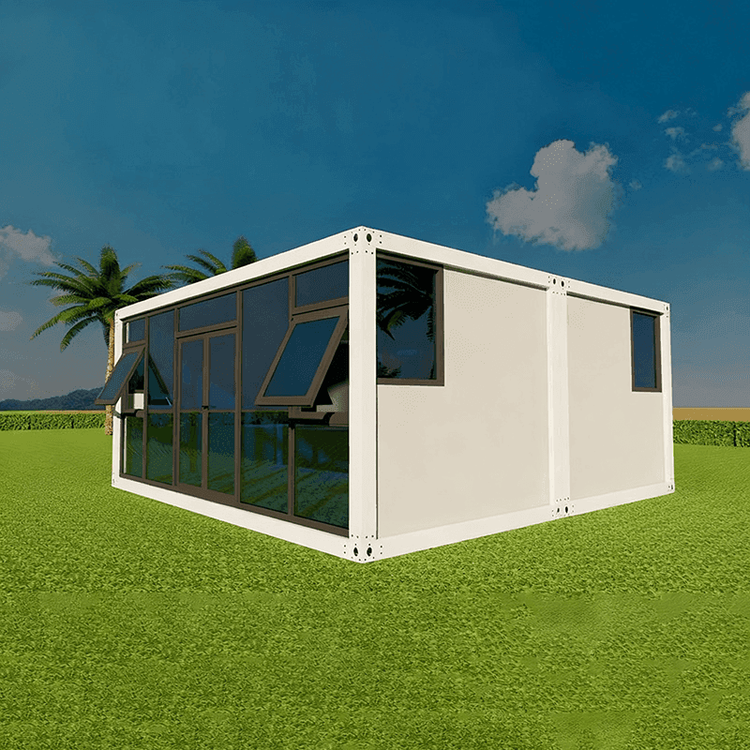
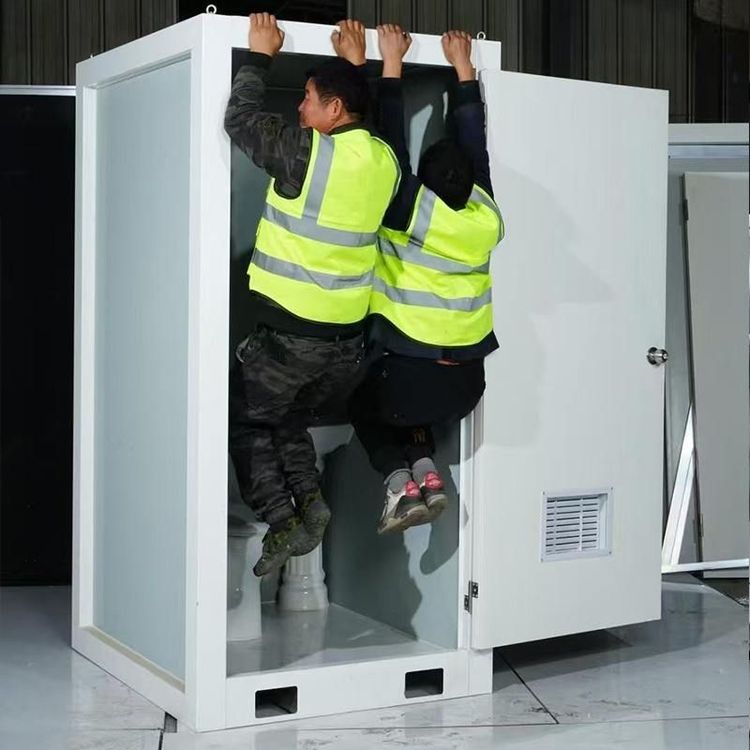
Beijing container-based mobile toilets use container modules as the basic carriers and integrate various subsystems to achieve independent operation. In terms of sewage discharge, vacuum negative pressure technology is adopted, reducing the water consumption per flush to less than one-tenth of that of traditional water-flush toilets and effectively minimizing odor diffusion. For energy supply, they are equipped with photovoltaic panels and battery packs, and some models also introduce combined heat and power modules. In the resource treatment process, a dry-wet separation mechanism is used. Urine is converted into irrigation water through membrane filtration technology, and feces are composted through aerobic composting with the addition of biological agents to produce organic fertilizer. Their modular nature allows for dynamic adjustment of the deployment density according to population density. During the peak tourist season in parks and around event venues, they can be quickly added through hoisting, demonstrating high flexibility.
Applicable Scenarios
Mobile toilets are suitable for stations, docks, tourist attractions, villa areas, newly built residential communities, large construction sites, squares, densely populated public places, and bustling commercial streets. The government deploys them in areas where it is relatively difficult to build fixed public toilets to make up for the shortcomings of insufficient toilet quantity and unreasonable layout, meeting people's toilet needs in different scenarios.
Existing Problems
The energy efficiency of container-based mobile toilets is affected by the sunshine duration and average temperature of the region where they are located. In extreme weather conditions, backup diesel generators may be required. The microbial degradation efficiency is significantly affected by the ambient temperature, and additional heating is needed at sub-zero temperatures, resulting in higher operating costs than expected in some areas. Their durability is limited. The container steel plates may rust in a continuously humid environment, and the internal pipe seals need to be replaced regularly, with a higher maintenance frequency than fixed public toilets. The internal space height is limited, and their friendliness to people with mobility impairments is lower than that of specially designed accessible toilets.