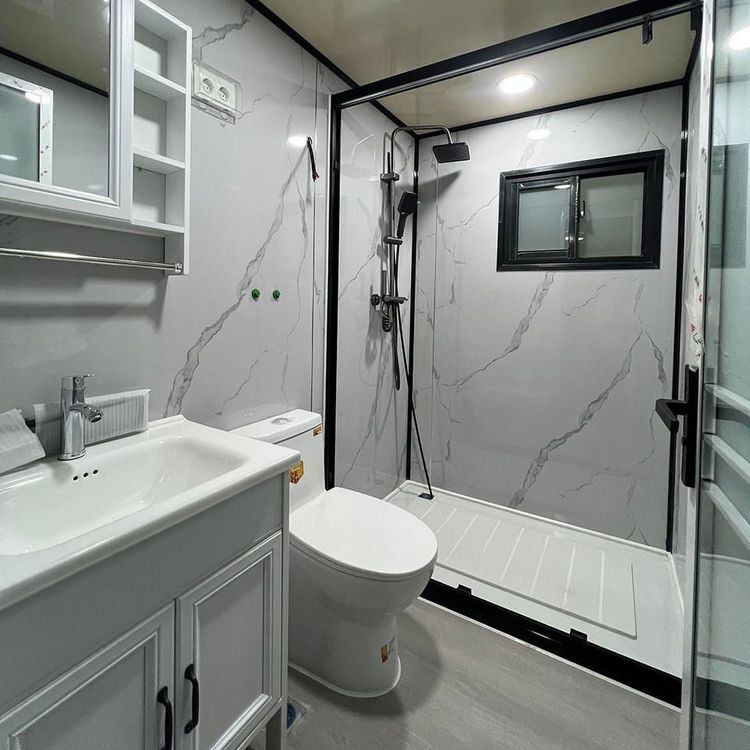
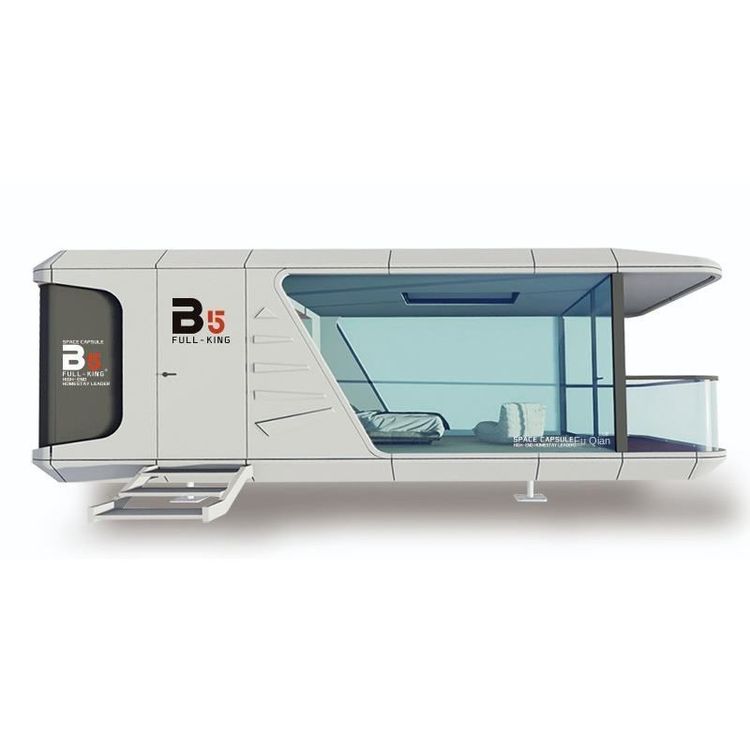
Beijing Construction Site Floor Mobile Toilet
The Beijing construction site floor mobile toilet is an environmentally friendly sanitation facility designed to meet the needs of construction site scenarios. It features spatial adaptability, modular layout, and zero reliance on pipelines, with a high degree of technological integration and prices varying by type.
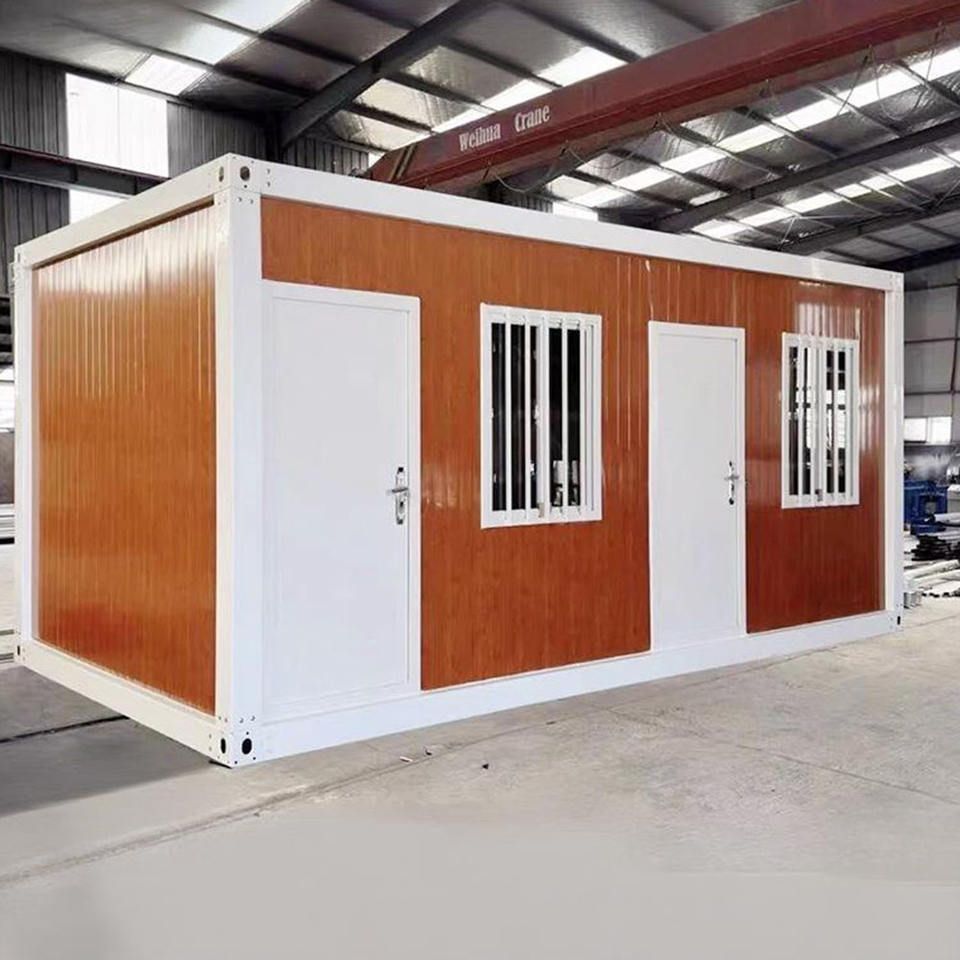
1. Core Design Features
The core design of the Beijing construction site floor mobile toilet revolves around the unique characteristics of construction site scenarios. Its spatial adaptability is reflected in its ability to flexibly adjust dimensions according to floor height and construction area. The modular layout supports rapid assembly and disassembly, adapting to the dynamic construction needs of the site. Zero reliance on pipelines is a key advantage, achieved through self-contained or storage-and-transport designs: the self-contained type incorporates a biochemical treatment unit that decomposes waste through microorganisms for on-site treatment; the storage-and-transport type is equipped with a large-capacity waste storage tank that is regularly emptied by specialized vehicles, eliminating the need for connection to urban sewage pipelines or water supply systems. Some models integrate vacuum suction devices that compress waste into storage tanks through negative pressure, further reducing transportation frequency.
2. Technological Integration and Environmental Performance
Technologically, the mobile toilet achieves full closed-loop management of waste, isolating it from the external environment during collection, storage, and transportation, thereby cutting off the breeding chain of disease vectors and the source of odor diffusion. Some models adopt feces-urine separation technology, treating solid and liquid waste separately to reduce treatment volume and energy consumption. In terms of energy management, an independent power supply system combined with solar photovoltaic panels and batteries meets basic needs such as lighting and ventilation; water resource management relies on a graywater filtration and recycling system that filters graywater from handwashing for toilet flushing, extending the water replacement cycle with the aid of biodegradable agents and significantly reducing water consumption.
3. Price and Type Differences
The prices of Beijing construction site mobile toilets vary significantly depending on functional and technological configurations. Ordinary temporary construction site toilets cost approximately 760 yuan and are suitable for short-term, low-frequency use scenarios; outdoor mobile toilets with odor-preventing foam mixture cost around 1786 yuan, reducing odors and mosquito breeding through foam coverage; microbial degradation eco-toilets are the most expensive, at about 5900 yuan, employing advanced biochemical treatment technology to achieve harmless decomposition of waste, suitable for long-term, high-density use scenarios. Users can choose the appropriate type based on project duration, usage frequency, and environmental requirements.
4. Application Scenarios and Advantages
These toilets are widely used in scenarios such as high-rise building construction, municipal engineering, and road maintenance, particularly suitable for areas without pipeline coverage or with short construction periods. Their advantages include: rapid deployment, with modular design supporting installation within 24 hours; environmental efficiency, reducing sewage discharge and water resource waste; strong adaptability, capable of withstanding harsh environments such as construction site dust and vibrations. Some models are also equipped with intelligent monitoring systems that provide real-time monitoring of waste storage levels and equipment status, enhancing management efficiency.