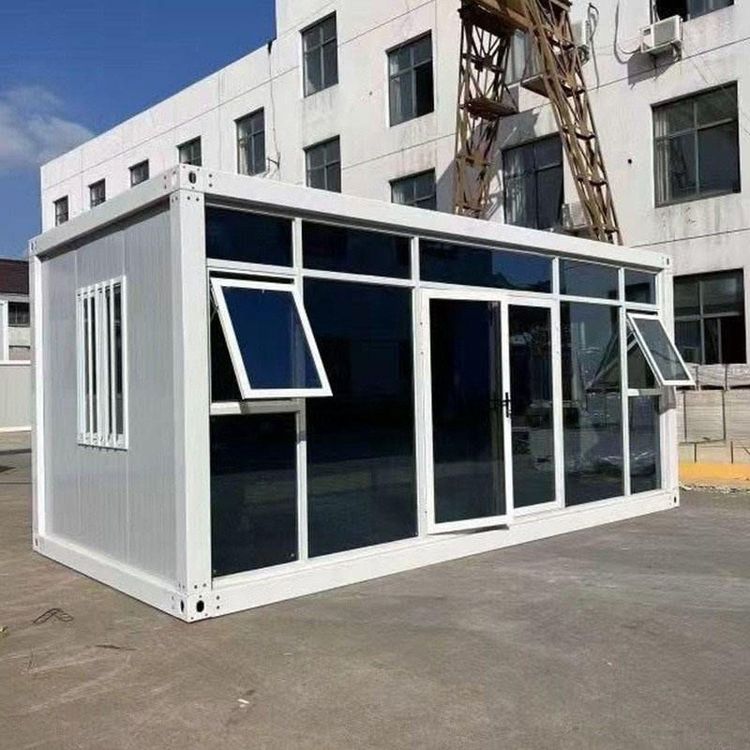
Are Prefabricated Panels for House Construction Good or Not?
There are certain drawbacks to using prefabricated panels for house construction, and whether to use them should be judged based on specific needs. From the perspective of long-term safety and integrity, cast-in-place structures are more recommended.
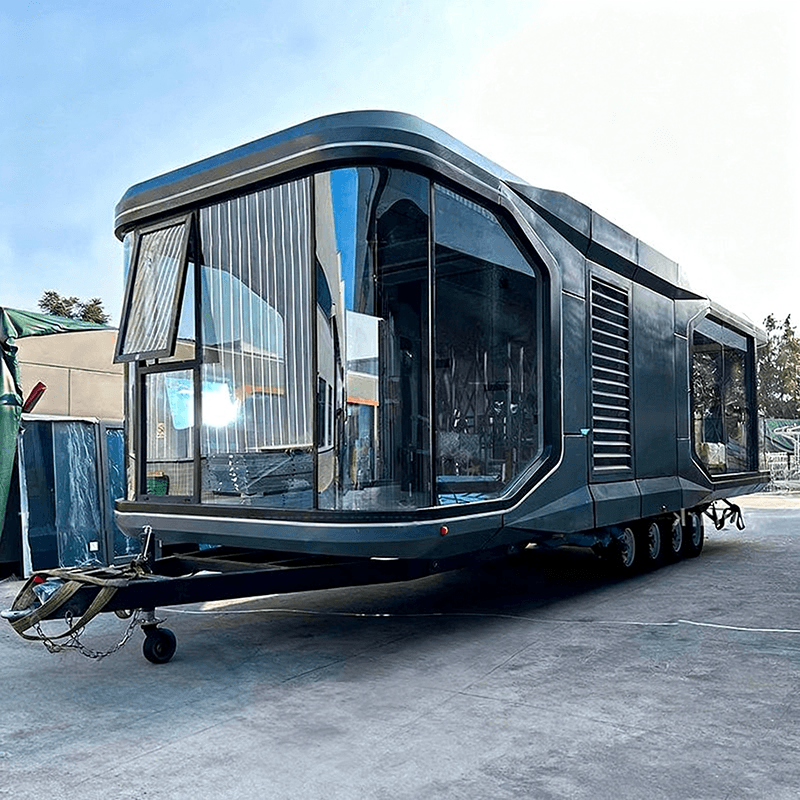
I. Drawbacks of Prefabricated Panels
- Insufficient Safety: Prefabricated panels have a relatively low seismic coefficient. In earthquake-prone areas, their structural stability is poor, and they are prone to collapse due to seismic wave impacts, posing a threat to residential safety.
- Prominent Leakage Issues: Prefabricated panels have numerous joint gaps, and their waterproof performance is far inferior to that of cast-in-place panels. Especially in areas with frequent water use such as kitchens and bathrooms, the probability of leakage significantly increases, and there is even a saying that '8 out of 10 households experience leakage'.
- Poor Thermal Insulation Performance: The thermal insulation effect of the materials used in prefabricated panels is limited. They are difficult to block external high temperatures in summer and have insufficient thermal insulation capacity in winter. Usually, additional thermal insulation layers or roofing materials are required for improvement.
II. Advantages of Prefabricated Panels
- Lower Cost: The production and installation costs of prefabricated panels are significantly lower than those of cast-in-place structures. For example, for a roof area of 40-50 square meters, the total cost of using prefabricated panels is about 800 yuan (including hoisting), while the cost of a cast-in-place concrete roof may exceed 3000 yuan.
- Fast Construction Speed: Prefabricated panels are produced in a standardized manner in factories and can be easily installed on-site, greatly shortening the construction period and being suitable for projects with tight time requirements.
III. Applicable Scenarios and Recommendations
If the budget is tight and the house is located in a non-earthquake-prone area, prefabricated panels can be used as a short-term transitional option, but their drawbacks such as leakage and poor thermal insulation must be accepted, and regular inspections and maintenance are required. If economic conditions permit, cast-in-place structures are preferred: The roofs cast with concrete have good integrity and are more sturdy in structure, which can completely avoid the leakage and seismic issues of prefabricated panels and provide higher long-term safety.
Summary: Prefabricated panels are suitable for scenarios with a low budget, in non-earthquake-prone areas, and for short-term use, but their safety and comfort drawbacks need to be weighed. Although cast-in-place structures have higher costs, they are a better solution for long-term residence.