
Airborne Mobile Container House
An airborne mobile container house generally refers to a movable, modularly designed container-style house that features flexible assembly, rapid construction, and adaptability to diverse scenarios. Essentially, it is a building unit formed by structurally modifying and functionally upgrading a standardized container.
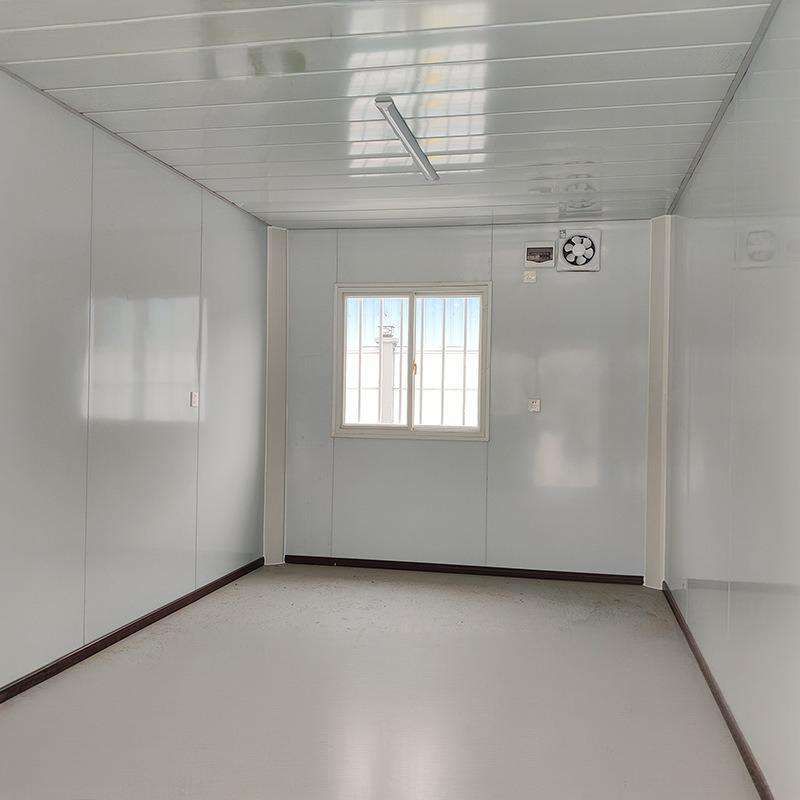
1. Structural Characteristics and Material Technology
Container mobile houses use high-strength steel frames, offering excellent compression and earthquake resistance. They are equipped with insulation, waterproofing, and soundproofing materials, enabling long-term outdoor use. Some products use fire-resistant and moisture-proof color-coated steel plates or tempered glass, enhancing safety and comfort. For example, the "Residential Container Activity Board House" by Suzhou Zhongnan Steel Structure Co., Ltd. explicitly highlights its fire-resistant and moisture-proof features, suitable for construction site dormitories and other scenarios.
2. Modular Design and Flexible Assembly
Based on standardized container sizes (such as 20 feet and 40 feet), these houses support rapid assembly and disassembly without the need for foundation construction. They can be put into use immediately after connecting to electricity and water. Modular design allows for free combination and expansion. For instance, the container office in Shanghai Cultural and Creative Park achieves space expansion through combination, meeting different functional requirements.
3. Functional Adaptability and Scenario Applications
- Residential Scenarios: They offer configurations with 1-5 bedrooms, with some products integrating kitchens and bathrooms. For example, the "40-foot Luxury Expandable Container House" comes with a full set of living facilities, suitable for vacation homes or temporary residences.
- Commercial Scenarios: Container shops create unique atmospheres through designs like foldable bars and double-glazed windows. For example, the coffee container next to Chengdu Taikoo Li attracts customers with its hydraulic foldable bar.
- Office Scenarios: They support customized layouts for natural classrooms, creative studios, etc. For example, the clothing container store on Hangzhou Wulin Road retains freight graffiti, creating a natural retro background.
- Emergency Scenarios: They are used as temporary medical stations and post-disaster shelters. For example, the "Mobile Prefabricated Clinic" has a minimum order quantity of 18 square meters, enabling rapid response to emergencies.
4. Technological Upgrades and Environmental Trends
Some products integrate solar panels for off-grid power supply, such as the "roof-mounted solar panels" mentioned in user cases, reducing energy dependence. Additionally, anti-rust processes and green plant embedding designs (such as container roof planting in Shanghai Cultural and Creative Park) extend service life and promote sustainable building development.



