African Container Houses
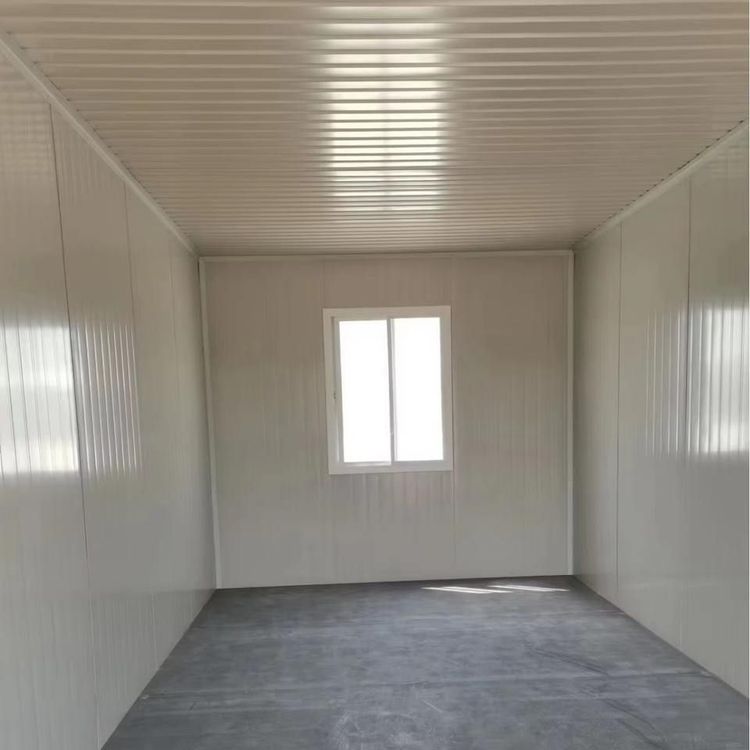
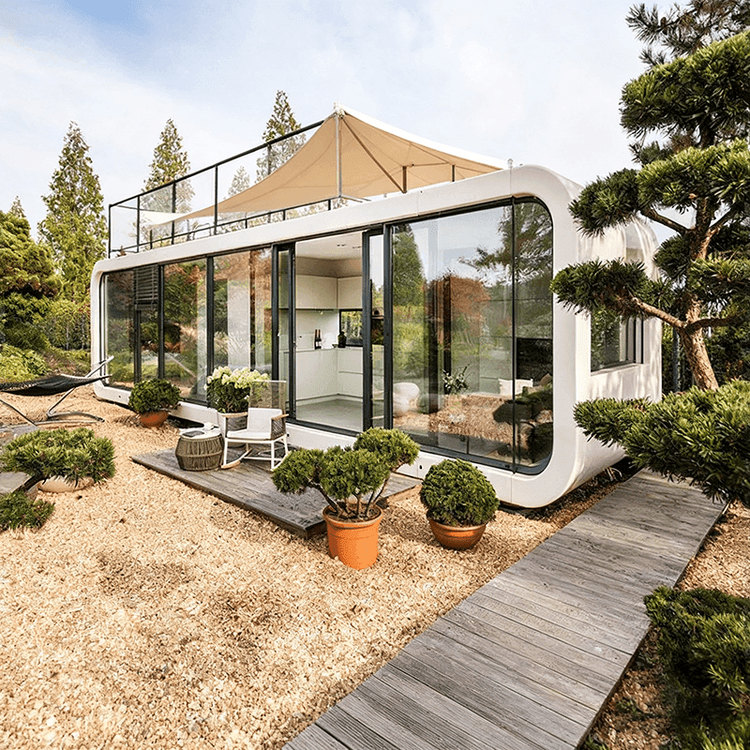
African container houses are characterized by modularity, mobility, low cost, and adaptability to various scenarios.

I. Modular Design
Container houses adopt a modular design concept, using standard containers as basic units that can be flexibly combined into buildings of different scales and functions through splicing and stacking. For example, the office building project constructed by CIMC in Yaoundé, Cameroon, and the modular buildings provided for the Djibouti International Free Trade Zone hotel project both demonstrate the advantages of modular design in rapid construction and spatial expansion. This design not only improves construction efficiency but also facilitates later maintenance and renovation.
II. Mobility
Container houses are mobile and can adapt to the frequent project relocations and temporary needs in Africa. For instance, the packing-box units provided by Shandong Jinda Lvjian Integrated Housing Co., Ltd. adopt a steel structure frame and comply with international standard container transportation requirements, facilitating cross-border logistics turnover. This characteristic makes container houses widely applicable in overseas infrastructure projects, emergency disaster relief, and other scenarios.
III. Low Cost
Compared to traditional buildings, container houses offer significant advantages in terms of material cost, construction period, and labor cost. Taking a mining enterprise project in Nigeria as an example, the use of foldable container houses not only resulted in lower costs but also significantly shortened the construction period compared to traditional brick-and-mortar houses and prefabricated panel houses. Additionally, the modular production method of container houses reduces the generation of construction waste, aligning with the development trend of green buildings.
IV. Adaptability to Various Scenarios
Container houses have a wide range of applications in Africa, including employee dormitories, medical modules, mobile office spaces, temporary shelters, mobile shops, and exhibition spaces. For example, on construction sites in Zambia, container-modified dormitories provide workers with a sturdy, heat-insulated, and insect-proof living environment; while in hurricane relief efforts in the South Pacific islands, medical packing-box units enable rapid deployment and functional zoning.