
Reconstruction of Prefabricated Panel Houses by the Ministry of Housing and Urban-Rural Development
The policies of the Ministry of Housing and Urban-Rural Development on the reconstruction of prefabricated panel houses mainly include differentiated strategies, clarifying the scope of reconstruction, and setting transformation goals, as detailed below:
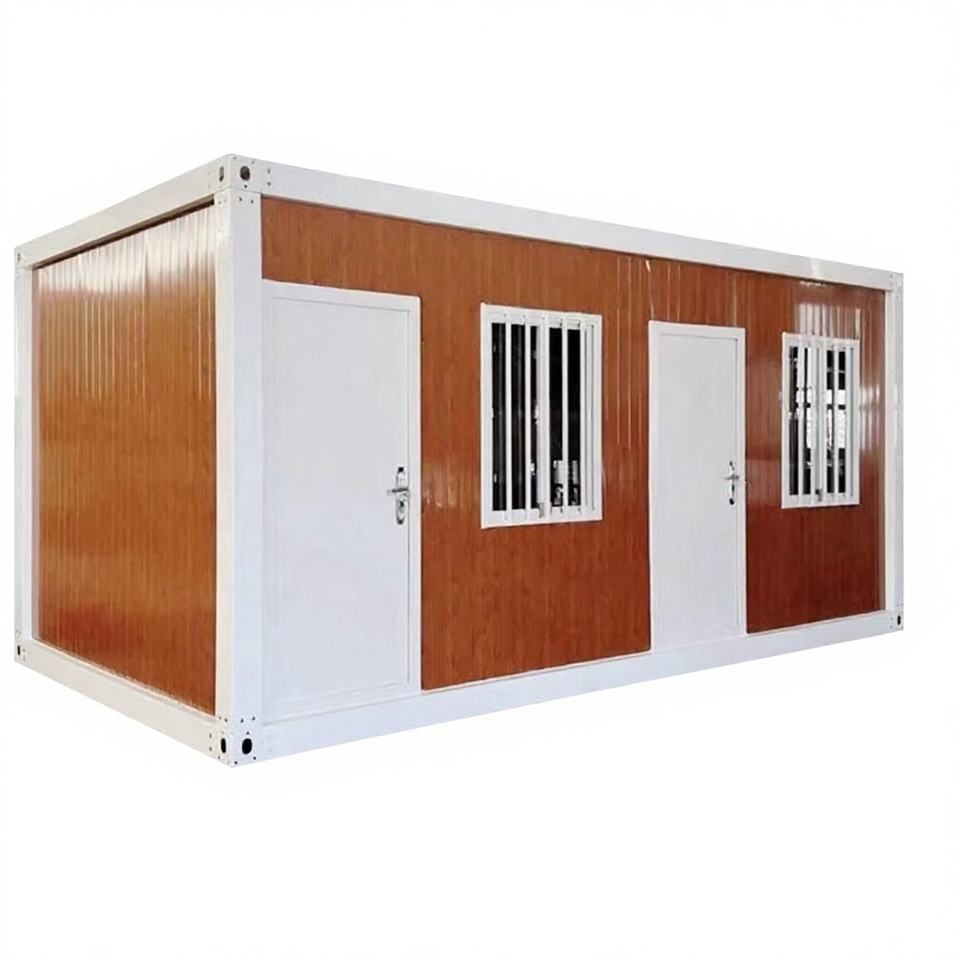
Reconstruction Background and Policy Orientation
Prefabricated panel houses, mostly built in the 1980s and 1990s, have safety hazards such as structural joint leakage, poor seismic performance, and short service life. According to data from the National Institute of Building Standards Design, their designed service life is typically 30-50 years. In the 2024 national building safety inspection, it was found that over 35% of prefabricated panel houses had varying degrees of safety issues. Based on this, the Ministry of Housing and Urban-Rural Development, through the "Notice on Preventing Large-Scale Demolition and Construction in the Implementation of Urban Renewal Actions (Draft for Comment)" and subsequent documents, clearly proposed a differentiated strategy of combining "preservation and renovation" with "demolition and reconstruction", emphasizing the avoidance of large-scale demolition and construction and exploring sustainable renewal models.
Reconstruction Scope and Implementation Standards
The policies classify the disposal methods for prefabricated panel houses:
- Demolition and Reconstruction: For houses with severe structural safety hazards that cannot meet safety requirements through reinforcement and repair. For example, prefabricated panel houses identified as D-grade dilapidated houses (overall danger) by professional institutions or those whose seismic capacity does not meet current standards should be prioritized for demolition and reconstruction.
- Reinforcement and Renovation: For houses with good structural safety but outdated functional facilities, their service life can be extended by adding seismic components, repairing leaks, updating pipelines, etc., while improving community supporting facilities (such as elevators and parking spaces).
Transformation Goals and Time Nodes
The Ministry of Housing and Urban-Rural Development's recent work plan clearly states that by the end of 2025, it will "basically complete the transformation tasks for urban old residential communities built before the end of 2000 that require transformation". Since most prefabricated panel houses were built during this period, the policies will promote their comprehensive transformation. During the transformation process, local authorities need to formulate specific plans based on the actual conditions of the houses, such as implementing large-scale demolition and reconstruction in areas with concentrated dilapidated houses and adopting a combination of reinforcement and functional enhancement for scattered houses.
Policy Significance
This policy not only addresses the safety hazards of prefabricated panel houses but also avoids resource waste and social conflicts caused by large-scale demolition, reflecting a refined governance approach that combines "preservation, renovation, and demolition". Residents can participate in the transformation through community consultations and applying for special subsidies, with specific processes to be determined by the implementation rules issued by local housing and urban-rural development departments.



