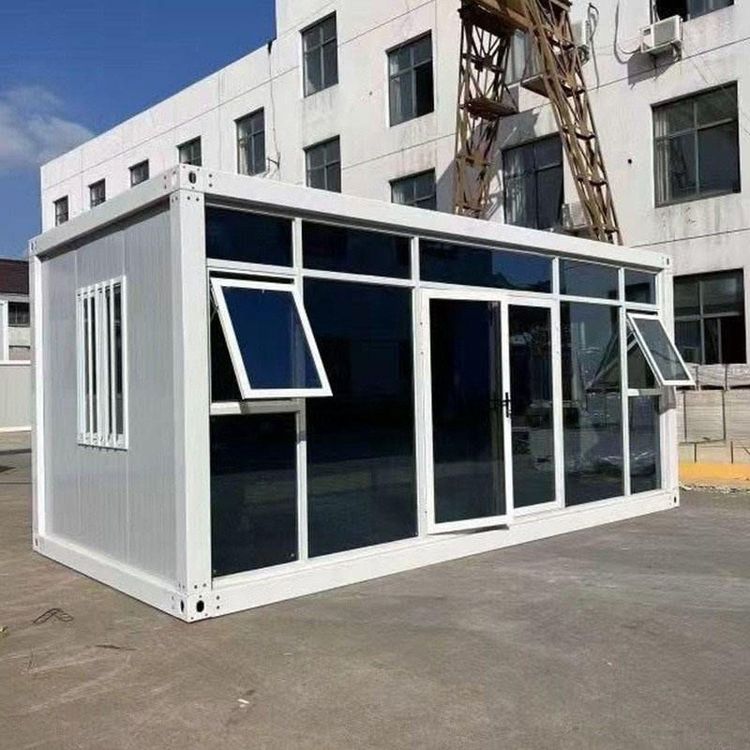
Zhoukou Outdoor Mobile Toilet Installation
When installing outdoor mobile toilets in Zhoukou, it is essential to focus on the following key points to ensure usage effectiveness and safety:

1. Prioritize selecting reputable suppliers that offer installation services
Reputable rental companies typically provide one-stop services from transportation to installation, avoiding technical difficulties associated with self-assembly. For example, a construction project in Zhoukou completed the installation of five restrooms within three days through rental services, significantly saving on labor costs. When signing contracts, clarify rental duration, maintenance responsibilities, and damage compensation terms. Prefer local suppliers for quick after-sales response.
2. Thoroughly inspect sealing structures and drainage systems
During installation, focus on checking the integrity of the sealant between the toilet unit and the ground, ensuring no cracks or aging. Install one-way valves or water seals at drainage outlets to prevent sewer odors from escaping. The toilet door seals should fit tightly to avoid air circulation bringing in odors. In areas prone to heavy rainfall, install waterproof barriers at the base to prevent water accumulation and seal failure.
3. Scientifically plan installation locations and environmental adaptability
Mobile toilets should be placed away from crowded areas, food preparation zones, and ventilation openings to prevent odor cross-contamination. The installation surface must be level to prevent sealant detachment or drainage issues due to tilting. For temporary events like sports competitions or exhibitions, reserve cleaning access and ensure no obstructions around for easy maintenance and emergency response.
4. Equip with efficient odor control systems and ensure coordinated operation
Rented mobile toilets should be equipped with activated carbon filters or biological odor removal modules, with high-end models using photocatalytic technology to decompose odor molecules. During installation, confirm that odor control equipment operates in conjunction with ventilation systems. Regularly check the replacement cycle of activated carbon (typically every 3-6 months) to prevent odor diffusion due to equipment failure. For sudden odors, use temporary deodorizers as an emergency measure while checking for loose pipes or drainage blockages.
5. Select product types based on scenario requirements
Standard mobile toilets are suitable for basic scenarios like construction sites and farmland; luxury models with air conditioning and smart toilets are ideal for scenic spots and high-end exhibitions; trailer-mounted mobile toilets facilitate rapid deployment for emergency rescue or temporary events. Some manufacturers offer customization services to design exteriors based on urban culture and environmental characteristics, such as incorporating local Zhoukou elements to enhance landscape harmony.
6. Establish long-term maintenance and emergency response mechanisms
During the rental period, assign dedicated personnel to daily checks of sealant condition, drainage outlet cleanliness, and odor control module operation, replacing aging components promptly. Develop an emergency plan and stock spare seals, deodorizers, and other supplies to ensure issues can be resolved within one hour, minimizing impact on user experience.