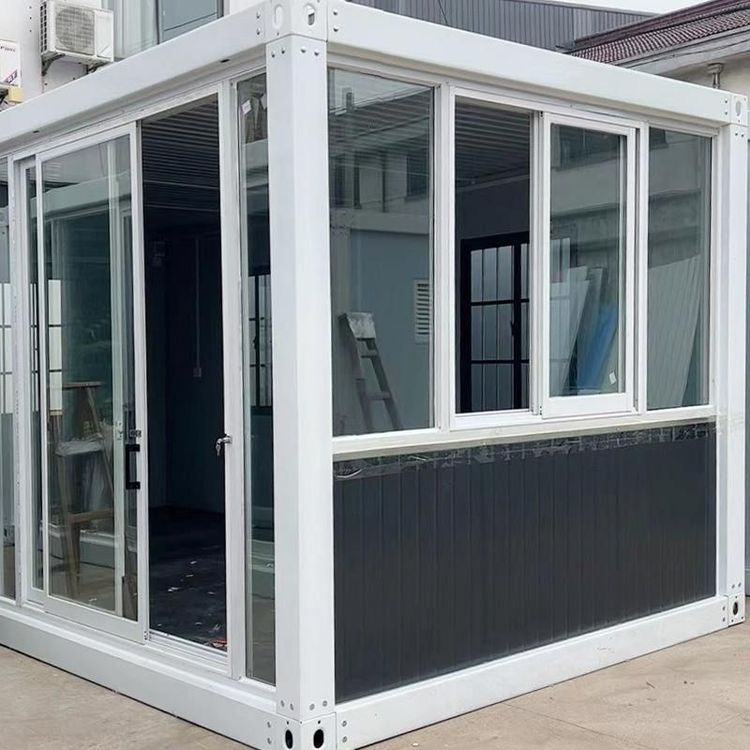
How to Flush Mobile Toilets in Zhoukou
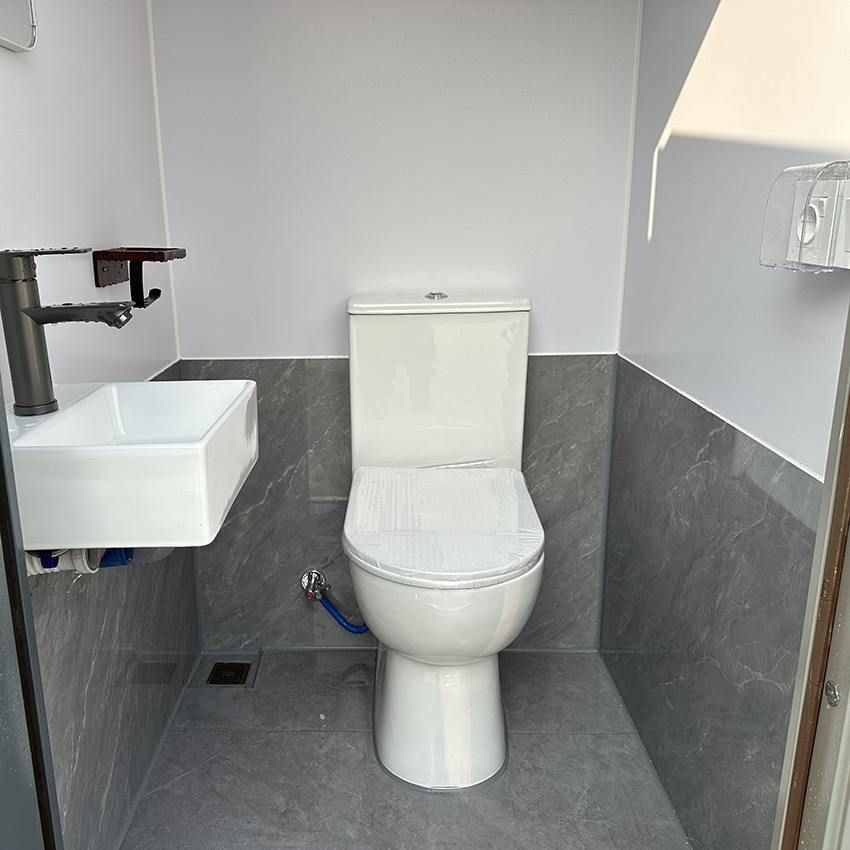
The flushing methods for mobile toilets in Zhoukou vary depending on their type and design, with common methods including high-pressure air-water flushing, foam flushing, water flushing/waterless suction, basic flushing, specialized cleaner flushing, and mechanical device-triggered flushing. Here are the specific details:
1. High-Pressure Air-Water Flushing
This technology combines high-pressure water flow with air to create a strong, wide-coverage flushing effect. Its core advantage lies in water conservation, requiring only one-fifth of the normal water volume for cleaning. The flushing process is automatically triggered by an infrared sensor and controlled by a computerized intelligent system to regulate the flushing duration and water volume, preventing human operational errors. These toilets are commonly found in public places such as scenic spots and temporary event venues, suitable for high-frequency usage scenarios.
2. Foam Flushing
The equipment room is equipped with an automatic foaming device that generates snow-white foam by mixing a foaming agent with water, covering the surface of the toilet bowl. The foam layer effectively isolates odors while reducing the flushing water volume to one-tenth of traditional methods. Excrement falls into the foam and is collected in a sewage tank for regular cleaning. This method is suitable for water-scarce areas or scenarios with strict environmental requirements, such as deserts and mountainous regions.
3. Water Flushing and Waterless Suction
- Water Flushing Type: Equipped with a water tank and a sewage tank, the water tank stores clean water for flushing, while the sewage tank collects excrement and wastewater. Regular replenishment of clean water and cleaning of the sewage tank are required, suitable for places with a water supply.
- Waterless Suction Type: Without a flushing device, excrement is directly suctioned into the sewage tank by a vacuum pump or gravity, requiring no water throughout the process. These toilets require frequent removal and transportation of the sewage tank and are commonly found in temporary construction sites or remote areas without a water supply.
4. Basic Flushing and Cleaner Assistance
Some simple mobile toilets adopt a traditional flushing method: turn on the faucet and use clean water to directly flush the inner and outer walls of the squat toilet to ensure thorough removal of dirt. For stubborn stains, toilet cleaner or disinfectant can be sprayed, left to sit for 10-15 minutes, and then scrubbed with a brush, focusing on the inner walls, drainage outlet, and water tank. This method is simple to operate but relies on manual maintenance.
5. Mechanical Device-Triggered Flushing
A few mobile toilets are designed with pedal-operated or button-operated mechanical devices, such as stepping on a black sphere to trigger automatic flushing. These devices control the water flow through mechanical linkage without requiring electrical power, suitable for scenarios with unstable power supplies.
Precautions: In actual use, confirm the specific flushing method according to the标识 (labels) or instructions of the mobile toilet. If encountering blockages or odor issues, a mixture of white vinegar and baking soda can be used to soak the drain, or a high-pressure water gun can be used to unclog the drainage pipes. Regular maintenance and correct operation are key to ensuring the normal functioning of mobile toilets.