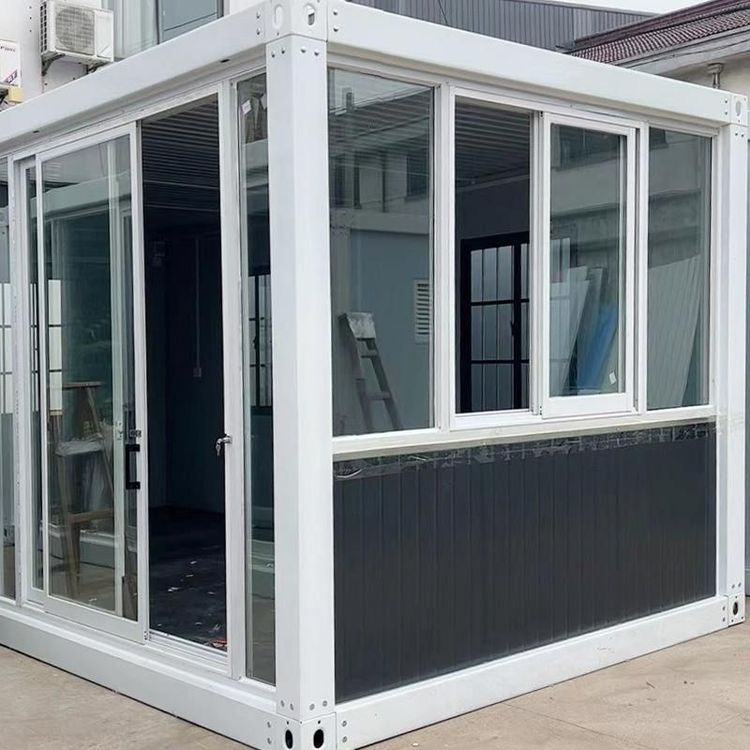
Zhongkai Composite Structure Mobile Toilet
Zhongkai Composite Structure Mobile Toilet (Based on the Analysis of General Characteristics of Composite Structure Mobile Toilets)
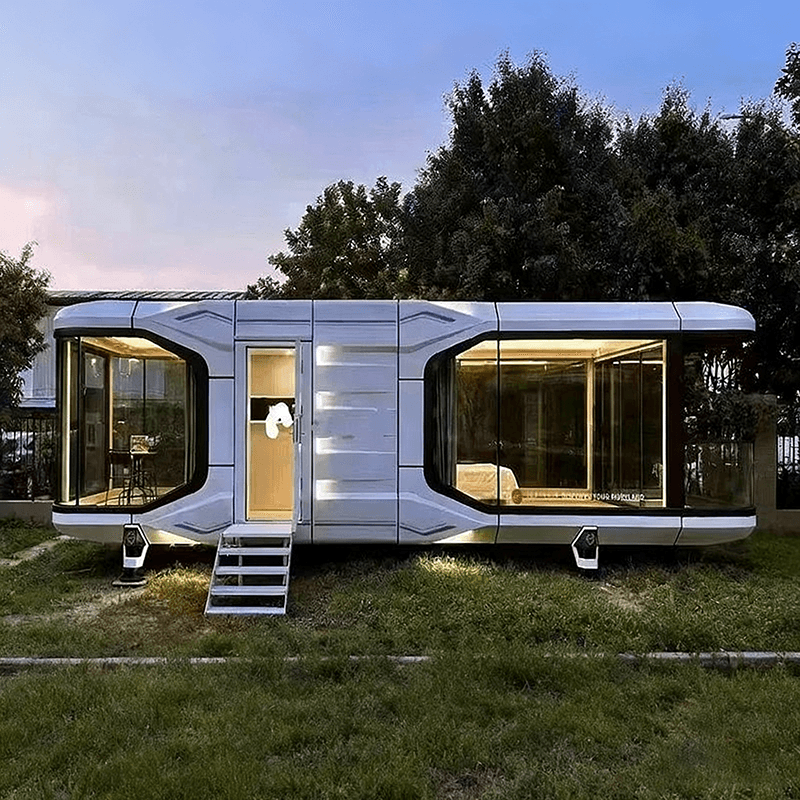
The composite structure mobile toilet is a sanitation facility that achieves efficient deployment through multi-layer material combinations and modular design. Its core characteristics are reflected in three aspects: structure, functionality, and adaptability, making it suitable for scenarios with high foot traffic or frequent relocation needs.
1. Structural Design and Material Advantages
The main frame of the composite structure mobile toilet is made of high-strength metal or engineering plastics, ensuring overall stability. The outer layer is covered with weather-resistant wall panels that can withstand ultraviolet rays and rain erosion, extending the service life. Its 'composite' characteristic is reflected in the panels being composed of two or more materials through bonding and pressing processes, such as the combination of metal frames and plastic panels, which ensures strength while reducing weight. This design reduces the unit weight by 30%-50% compared to traditional toilets, facilitating lifting and transportation. The base simulates marble texture, enhancing aesthetics while also improving durability through wear-resistant design, adapting to complex terrains such as construction sites and outdoors.
2. Functional Configuration and Sanitation Guarantee
The internal space dimensions are typically 1000×1000×2400 millimeters, with a squatting design that conforms to ergonomic principles, reducing fatigue during prolonged use. It is equipped with an independent circulation system, featuring built-in wastewater and freshwater tanks, allowing for foot-pedal or button-controlled flushing without the need for an external water source, reducing dependence on infrastructure. An optional fecal discharge valve at the back facilitates regular cleaning of waste, while the top exhaust pipe interface connects to a ventilation system, accelerating air circulation and effectively suppressing odor diffusion. The walls integrate details such as mirrors, coat hooks, and tissue holders, enhancing user convenience.
3. Scenario Adaptability and Deployment Efficiency
The modular design of the composite structure mobile toilet supports rapid assembly and disassembly, with wear-resistant forklift bases and crane hooks further simplifying the transportation process, making it suitable for short-term intensive use scenarios such as music festivals, construction sites, and disaster emergency response. It boasts excellent thermal insulation performance, adapting to environments with significant temperature variations; enhanced corrosion resistance allows it to maintain stable performance in coastal or chemical areas. Additionally, the diverse functionality of composite panels (such as fire resistance and moisture resistance) can meet regulatory requirements in different regions, reducing deployment costs.
In summary, the composite structure mobile toilet achieves lightweight, efficient, and universally adaptable sanitation facilities through material innovation and functional integration, representing a typical example of modern temporary sanitation solutions.