Zhenjiang Waterless Mobile Toilet
The Zhenjiang waterless mobile toilet is an integrated system that achieves waste treatment and conversion through physical and chemical methods, without relying on a fixed water source or sewage pipeline network. Its core operational mechanism consists of three key steps:
- Solid-liquid separation: Using odor-proof toilets and collection devices, the solid and liquid components of excreta are separated to prevent odor generation or blockages caused by mixing.
- Microbial/enzymatic decomposition treatment: After separation, solid waste enters the treatment chamber, where it undergoes biodegradation using microorganisms or enzyme preparations, transforming it into harmless organic matter. The liquid portion is reduced in volume through chemical treatment or natural evaporation.
- Safe disposal or resource utilization of products: The treated solid waste can be converted into organic fertilizer, while the purified liquid can be used for green irrigation, enabling resource recycling.

Typical structural and functional design:
- Odor-proof toilet: Features a sealed structure to minimize odor leakage while optimizing the efficiency of excreta sliding.
- Solid-liquid separation collection device: Uses gravity or mechanical separation technology to store solids and liquids separately in independent containers, reducing the difficulty of subsequent treatment.
- Treatment chamber: Equipped with microbial colonies or enzyme preparations to accelerate the decomposition process at suitable temperatures. Some models include heating devices to adapt to low-temperature environments.
- Independent ventilation system: Controls odors through negative pressure extraction while providing oxygen for microbial activity to ensure treatment efficiency.
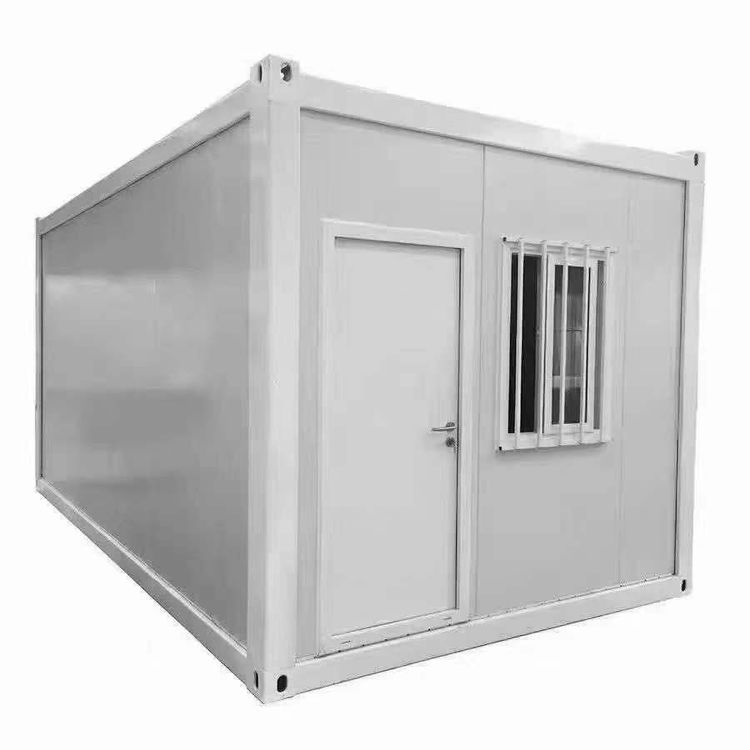
- Modular design: The equipment can be disassembled into multiple units for easy transportation, assembly, and maintenance, making it particularly suitable for temporary venues.
Application scenarios and leasing services:
The Zhenjiang waterless mobile toilet primarily serves areas where municipal sewage networks are not available or where connection costs are high, such as large outdoor events, construction sites, temporary markets, and peak tourist seasons in scenic spots. Leasing service providers typically offer a “single-unit leasing + full-cycle service” model, including regular cleaning, consumable replenishment (e.g., microbial agents, deodorizers), waste collection and transportation, and final disposal to ensure continuous and stable operation of the equipment.
Technical advantages and environmental characteristics:
- Water and energy conservation: No water is required throughout the process, with a single unit saving several tons of water daily, making it suitable for arid or water-scarce regions.
- Environmental adaptability: Not restricted by water supply or drainage pipes, it can operate normally in extreme temperatures (-20°C to 50°C) with a lower failure rate than traditional toilets.
- Low pollution emissions: The treatment process is enclosed, eliminating the risk of sewage leakage. Solid products meet environmental standards and can be safely used in agriculture or landscaping projects.
- Smart upgrades: Some models integrate solar power, air conditioning temperature control, and biodegradation monitoring systems to further enhance user comfort and treatment efficiency.