Container House Conversion Buying Guide: Options & Tips
Container House Conversion Buying Guide: Options & Tips
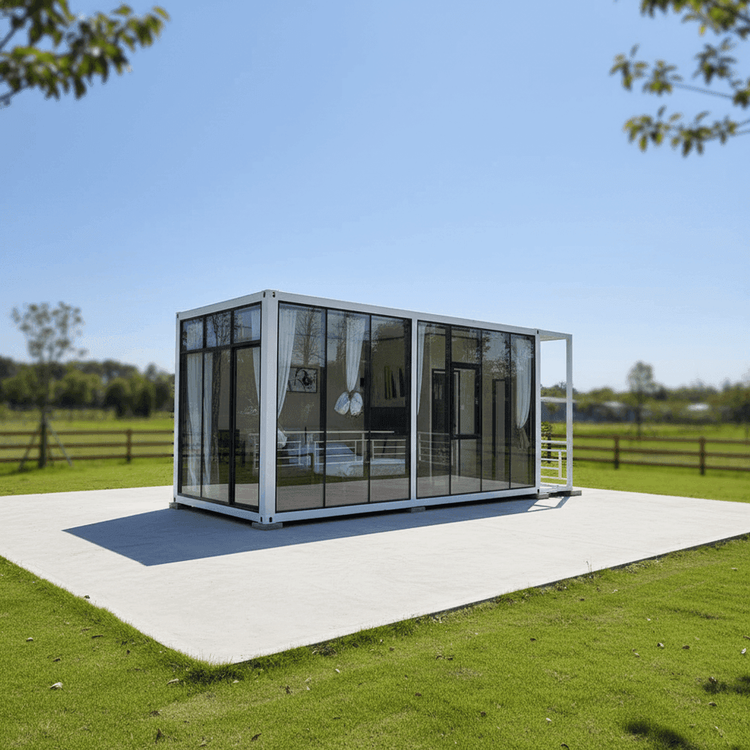
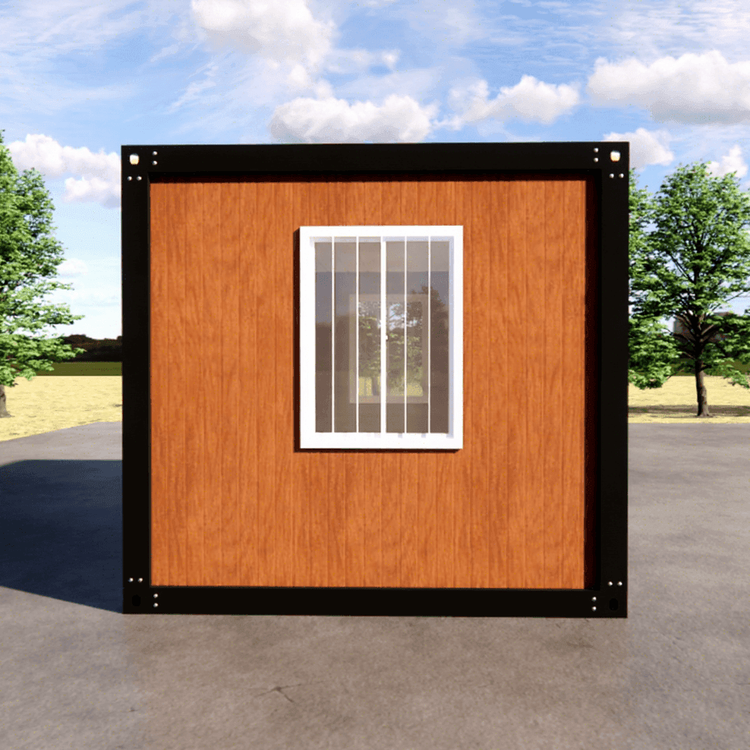
Container houses, constructed using repurposed shipping containers or prefabricated modules, combine industrial durability with modular design advantages, making them a popular housing trend in 2026. This guide explores design options, core benefits, and purchasing recommendations across three key areas:
I. Design Options: Flexibility for Diverse Needs
- Size and Combination: A single standard container (20-foot or 40-foot) can form a compact dwelling, while multiple containers can be stacked horizontally or vertically to create multi-bedroom homes or even mixed-use communities. For example, double-story stacking increases vertical space for families, while horizontal connections create open public areas for commercial or community use.
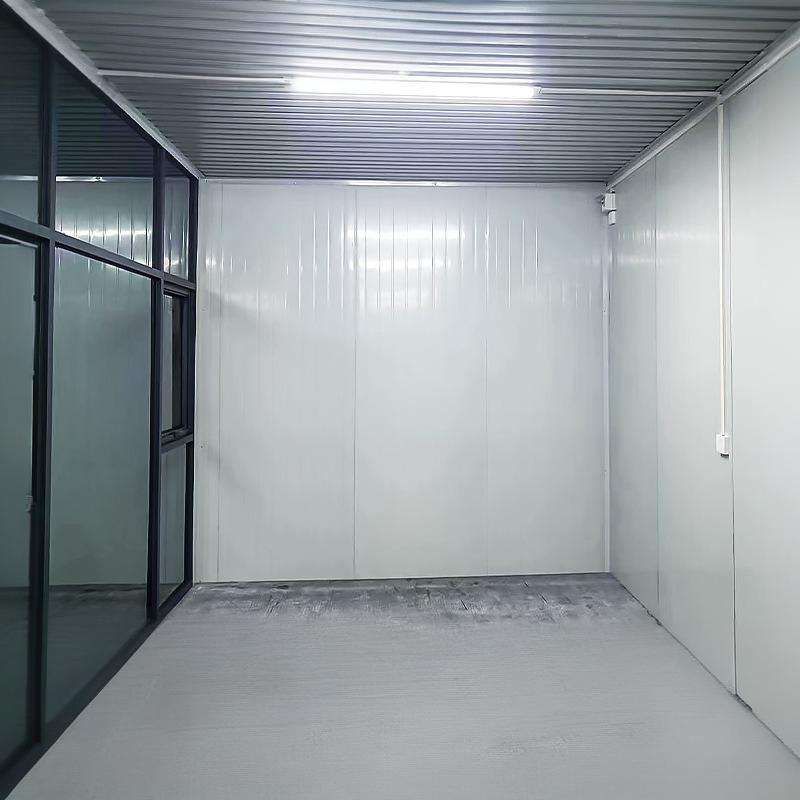
- Customizable Features: Support for adding expandable rooms (e.g., foldable balconies), solar panels, rainwater harvesting systems, and other eco-friendly features, or enhancing living quality through luxury renovations (e.g., smart appliances, high-end materials). Some designs incorporate movable partitions to adapt to different living scenarios.
II. Core Advantages: Cost-Effectiveness, Sustainability, and Adaptability
- Affordability: With global housing prices outpacing income growth, container houses offer entry-level housing at 30%-50% of traditional construction costs, making them ideal for young adults or temporary housing needs.
- Sustainability: Reusing steel containers reduces embodied carbon emissions (approximately 60% lower than conventional buildings) and minimizes construction waste. Prioritizing suppliers that use recycled materials and low-carbon production processes further enhances environmental benefits.
- Flexibility: Modular design enables rapid assembly (completed in weeks), remote renovations (e.g., adding container modules), and mobile living (e.g., nomadic work scenarios). Their structure is also suitable for conversion into Airbnb rentals or temporary office spaces, improving return on investment.
III. Purchasing Recommendations: Mitigate Risks and Optimize Choices
- Cost Evaluation: While base material costs are low, custom designs (e.g., irregular拼接, which means irregular connections here), interior renovations (e.g., plumbing and electrical upgrades), and transportation may account for over 50% of total expenses. Plan budgets in advance and prioritize core functional needs.
- Eco-Verification: Confirm suppliers provide material source documentation (e.g., decommissioning certificates for recycled containers) and low-carbon production certifications (e.g., ISO 14064) to avoid greenwashing risks.
- Modular Compatibility: Choose designs that support quick assembly and disassembly (e.g., bolted connections instead of welding) to accommodate future lifestyle changes (e.g., family expansion or relocation).
The rise of container houses reflects the intersection of economic, environmental, and technological shifts. Through thoughtful planning and design, they offer a low-cost, highly flexible, and sustainable housing solution.