Materials for Mobile Toilets in Zhejiang
Common materials for mobile toilets in Zhejiang include hot-dip galvanized steel frames, eco-friendly metal carved panels, bamboo-wood fiber panels, stainless steel interior panels, color-coated steel sheets, FRP (fiberglass reinforced plastic), high-strength plastics, and anti-corrosion wood, among others. The specific choice should be made by comprehensively considering the usage scenario, budget, and aesthetic requirements. Below is a detailed description of different materials:

Hot-dip galvanized steel frames are the core supporting structures of modern mobile toilets. After being treated with the hot-dip galvanizing process, a dense zinc layer forms on the surface of the steel, effectively resisting environmental corrosion from moisture, acids, and alkalis, and extending the service life. With high strength and good stability, they can meet the load-bearing requirements of toilets of different scales and serve as the basic framework materials for various types of mobile toilets.
Eco-friendly metal carved panels and bamboo-wood fiber panels are lightweight and high-strength enclosure materials. Metal carved panels use galvanized steel sheets as the base material, with patterns such as wood grain and stone grain embossed on the surface, combining the durability of metal with decorative properties. Bamboo-wood fiber panels are composed of bamboo powder, wood powder, and polymer materials, featuring moisture resistance, fire resistance, and insect resistance, and are easy to install, commonly used for interior and exterior wall decoration of toilets.
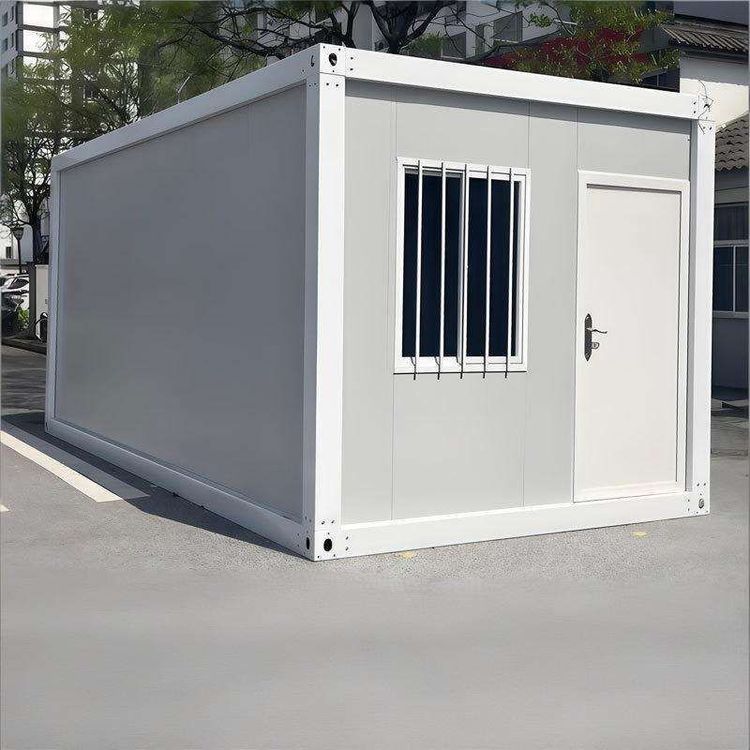
Stainless steel interior panels are mostly used for interior partitions, countertops, and other parts. Their corrosion resistance and ease of cleaning meet public health requirements, making them especially suitable for scenarios with high hygiene standards such as parks and squares. Color-coated steel sheets are composed of color-coated steel sheets and polyurethane foam sandwich panels, being lightweight and low-cost, and are commonly used in short-term usage scenarios such as temporary event venues or construction sites.
FRP (fiberglass reinforced plastic) uses glass fiber-reinforced resin as the base material, with advantages such as corrosion resistance, aging resistance, and high strength, suitable for outdoor venues with complex environments such as seaside and chemical areas. High-strength plastics such as polyethylene (PE) and polypropylene (PP) are formed through injection molding processes and can be used to make toilet stalls, water tanks, and other components, featuring lightweight and impact resistance.
Anti-corrosion wood, after special treatment, can resist insect infestation and decay and is commonly used in scenic spot toilets such as parks and resorts. Its natural texture can blend with the natural environment, enhancing aesthetics. However, it should be noted that wooden materials require regular maintenance to maintain their performance.
In practical applications, the material selection for mobile toilets needs to balance functionality and economy. For example, temporary construction site toilets can prioritize the use of color-coated steel sheets to reduce costs; scenic spot toilets may combine stainless steel and anti-corrosion wood to balance hygiene and landscape coordination.