Zhejiang Mobile Smart Toilet Construction
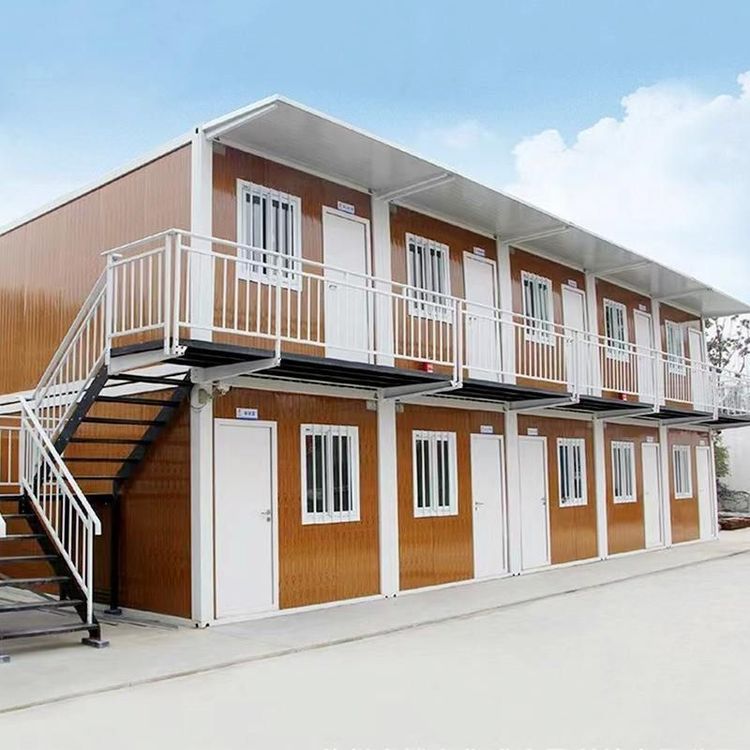
The construction of mobile smart toilets in Zhejiang is primarily reflected in rapidly deployable and easily manageable mobile toilet solutions, which are essentially immediate responses to sanitation service gaps in specific times and spaces.
I. Components of the Service System
Sanitation units are divided into two categories based on scenario and technological configurations: First, waterless flushing types using biodegradation technology, suitable for water-scarce or highly environmentally demanding scenarios; Second, water-saving flushing types equipped with built-in water storage tanks and micro-treatment systems, suitable for areas with temporary water supply. Each unit integrates basic functional components such as ventilation, lighting, and handrails to ensure safety and comfort. The support and maintenance subsystem includes specialized transportation and loading/unloading equipment to ensure efficient delivery and installation of units; subsequent maintenance covers waste extraction, freshwater replenishment, cleaning and disinfection, and consumable replacement, forming a closed-loop management system to ensure continuous usability of the facilities.
II. Scenario Adaptation and Planning Logic
Planning logic varies according to different scenario requirements:
- Large-scale cultural and sports events: Dynamically configure the number of units based on audience size and event duration to ensure sanitation service coverage during peak periods.
- Municipal engineering or road construction: Set up temporary locations around construction sites, synchronizing the period with project progress to avoid resource waste.
- Peak tourist seasons in scenic areas: When adding facilities, prioritize main visitor flow paths while minimizing interference with natural landscapes, balancing functionality and aesthetics.
- Emergency public health events: Serve as reserve resources with rapid response capabilities to provide basic sanitation support in sudden situations.
III. Technical and Management Nodes in the Operational Process
- Initial contact: Evaluate site conditions (such as ground flatness, vehicle access, temporary connection points), determine technical feasibility, and then develop a configuration plan and cost estimate.
- On-site deployment: After placing the units, establish a guidance signage system to ensure user convenience.
- Service duration: Maintenance teams operate according to preset frequencies, record data flows to assess usage intensity and sanitation conditions, and optimize subsequent configurations.
- End of service: Remove units and restore the site to avoid environmental impact, achieving efficient space recycling.
IV. Typical Case
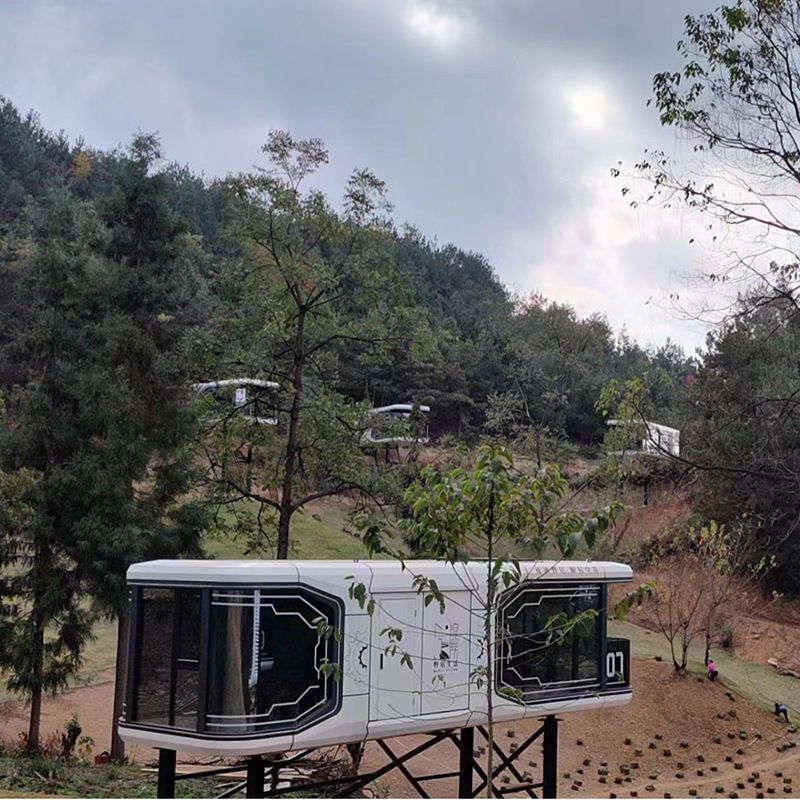
The mobile landscape public toilets along the Qiantang River embankment in Hangzhou are produced using factory standardization. After transportation to the site, they only require simple pipeline connections to be put into use, and the locations can be adjusted later to save costs. Internally equipped with smart functions (such as automatic flushing upon door opening and deodorization and sterilization), they balance practicality and technological sophistication, providing an innovative model for the construction of public sanitation facilities.