Zhejiang Mobile Smart Toilet
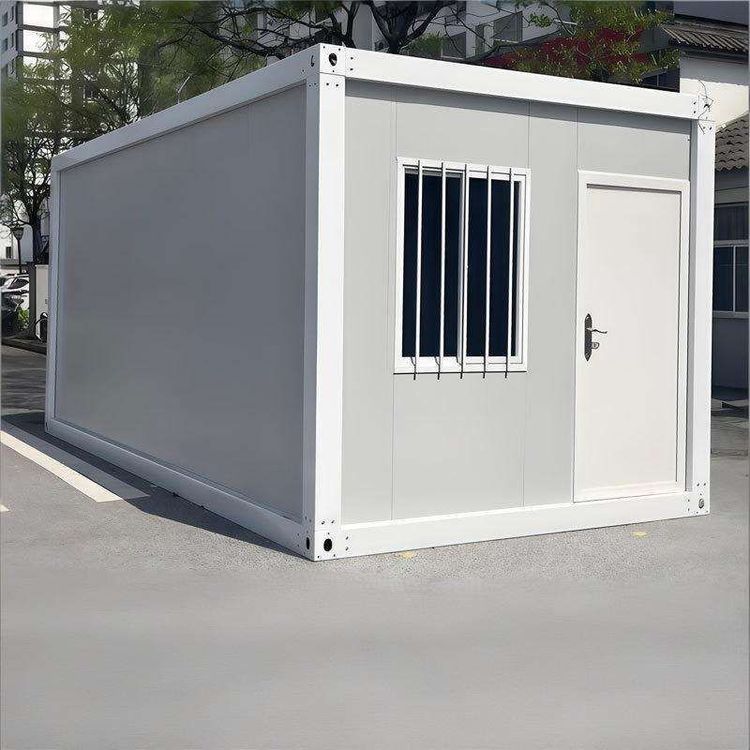
The Zhejiang Mobile Smart Toilet is a portable sanitation unit that integrates modern design concepts with practical functionality, providing convenient sanitation solutions for outdoor events and temporary venues in a modular form. Its core features and development are as follows:

1. Design Intent and Scene Adaptation
The design of the Zhejiang Mobile Smart Toilet stems from the pursuit of flexibly responding to basic human needs in specific scenarios. With the increase in short-term events such as outdoor cultural festivals, sports events, and temporary markets, as well as the toilet pressure during peak seasons at tourist attractions, fixed public sanitation facilities often struggle to meet demand due to insufficient quantity or limited layout. Additionally, temporary work areas such as construction sites and field operation sites also require basic sanitation conditions. These facilities aim for "flexibility" and "rapid response", enabling quick deployment in various scenarios to alleviate temporary sanitation pressure.
2. Internal Functions and Core Technologies
The standard unit has a compact internal structure, covering four core areas:
- Toilet Area: Equipped with necessary accessories such as toilets, paper towel holders, handrails, and hooks. Some models adopt barrier-free designs to enhance safety.
- Handwashing and Cleaning Area: Integrated with a small handwashing station and water-saving faucets. Some high-end models are equipped with sensor-activated faucets to reduce contact contamination.
- Ventilation and Lighting System: Air circulation is achieved through ventilation windows or forced exhaust systems. Translucent panels (with opaque designs) on the top or sides ensure natural lighting and privacy.
- Waste Treatment System: Utilizes technologies such as circulating water flushing, waterless packaging, or biodegradation to adapt to different environmental needs. For example, the waterless packaging method is suitable for water-scarce areas, while the biodegradation method reduces pollution through microbial decomposition.
3. Intelligence and Material Innovation
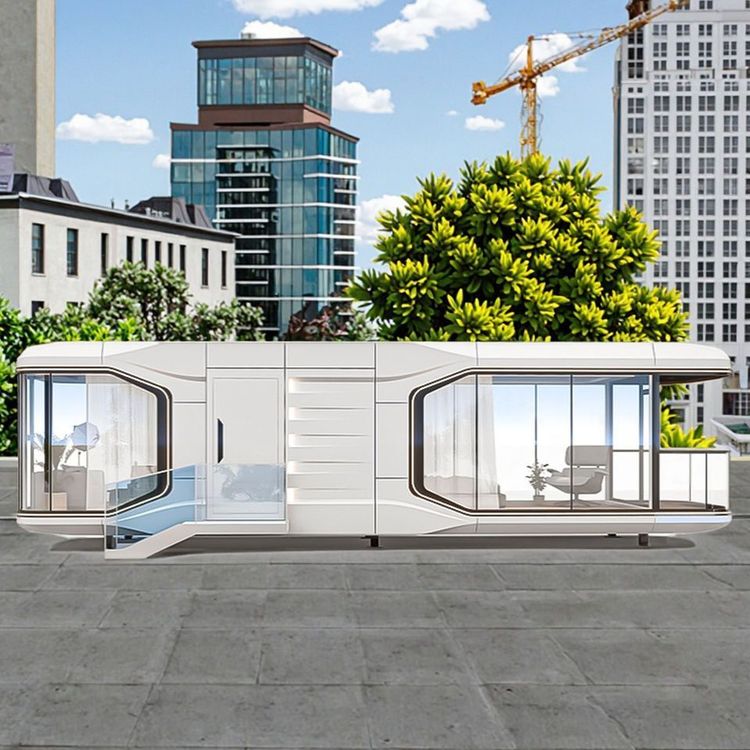
Some models integrate electronic intelligent systems, including music playback, intelligent lighting control, automatic flushing, and ventilation functions, enhancing user experience. The temperature control system is equipped with independent air conditioners or central air conditioning to adapt to different climatic conditions. The outer shell is made of high-strength fiberglass, aluminum alloy, or new composite materials, offering corrosion resistance, rust prevention, and thermal insulation properties, suitable for the rainy and humid environment in Zhejiang. The exterior design is diverse, such as the "Apple Pod" shape, which can harmonize with the surrounding environment.
4. Customization and System Expandability
Manufacturers in Zhejiang offer a variety of customization services, such as:
- Exterior Wall System: Options include metal-embossed thermal insulation panels, UV-resistant custom patterned panels, and other materials that balance aesthetics and functionality.
- Power System: Supports mains power, solar power, or dual power systems to adapt to areas without grid coverage.
- Fresh Air System: Designed with top air intake or side air exhaust to optimize air quality.
- Lighting Modes: Provides multi-level brightness adjustment to meet different time-of-day needs.
These facilities achieve rapid assembly and disassembly through modular design, reducing operation and maintenance costs while enhancing management efficiency through intelligent technologies, becoming an important supplement to modern urban sanitation infrastructure.