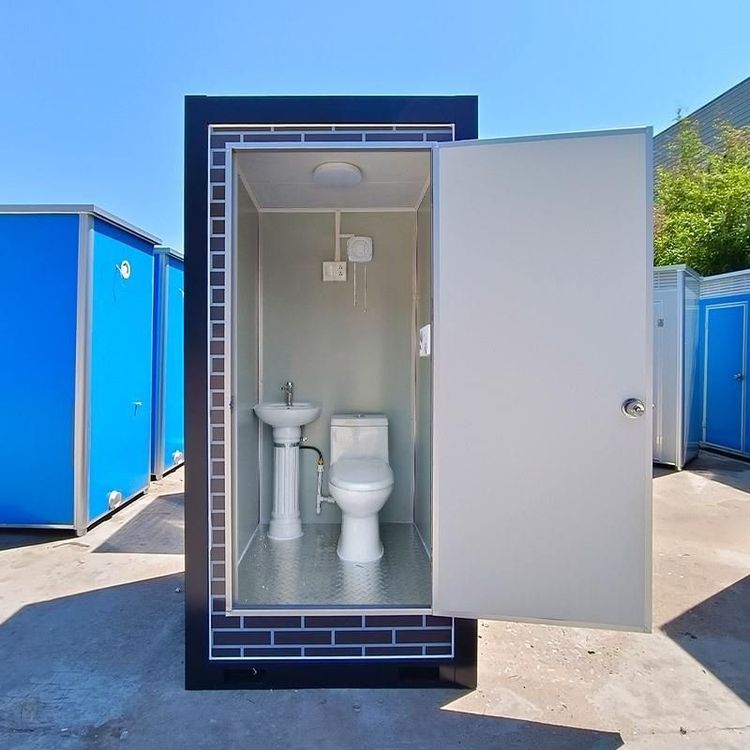
Zhecheng Cement Prefabricated House
Zhecheng cement prefabricated houses are a form of construction built in large pieces, featuring a sturdy structure and high construction efficiency. They offer advantages such as durability, environmental friendliness, and cost-effectiveness, but also have limitations in terms of design flexibility.
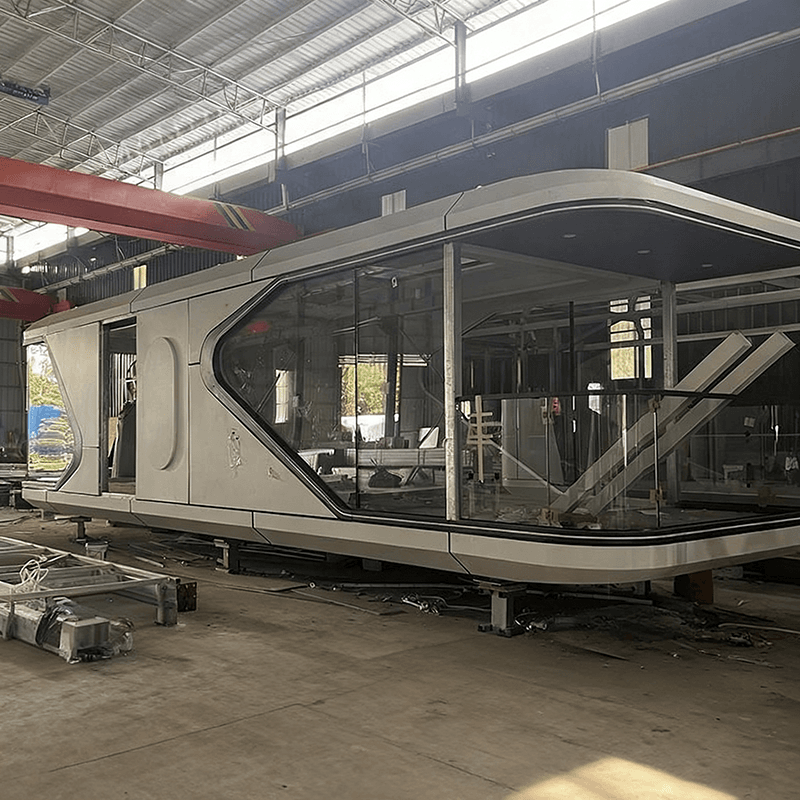
Features and Construction Methods
Cement prefabricated houses in Zhecheng County use large cement panels as basic components, achieving efficient space utilization and functional integration through standardized design. The construction process is similar to "building with blocks": after the prefabricated cement panel components are transported to the site, only a few workers are needed to complete the assembly of a single villa within 4 hours, and the construction period for an entire building can be shortened to two days. This modular construction method significantly improves construction efficiency while reducing the complexity of on-site operations.
Core Advantages
- Durability and Safety: High-quality cement materials are used, resulting in a sturdy structure that can withstand severe weather conditions such as strong winds and heavy rain, providing long-term safety for occupants.
- Environmental Friendliness: The construction generates minimal waste, and some materials can be recycled, reducing the negative impact on the environment.
- Cost-Effectiveness: The cost is lower than that of traditional buildings, with a construction cost of approximately 300 yuan per square meter. The total price of a large villa is only a little over a hundred thousand yuan. Standardized production processes further reduce time and labor costs.
- Construction Speed: The industrial production of prefabricated components and rapid on-site assembly significantly shorten the construction period, making them particularly suitable for urgent housing needs.
Application Scenarios
- Rural Housing: As an affordable permanent residence, meeting basic living needs.
- Urban Temporary Buildings: Such as construction site offices and event exhibition halls, which can be quickly erected and dismantled.
- Post-Disaster Reconstruction: Their sturdiness and rapid deployment capabilities make them a preferred option for housing安置 (shelter) after earthquakes, floods, and other disasters.
Limitations
- Design Flexibility: Standardized production results in limited options for house types and appearances, making it difficult to meet personalized needs.
- Performance Optimization Needed: The thermal insulation effect needs improvement, and the seismic performance in earthquake-prone areas requires further research.
- Construction Risks: If the assembly techniques are not standardized or mistakes are made during operation, it may affect the stability and safety of the house.
Zhecheng cement prefabricated houses balance efficiency, cost, and practicality through industrial production and modular design, but there is still room for improvement in terms of personalization and adaptability to extreme environments.
You may also like
Portable Toilet Specifications Model Sizes & Dimensions: A Complete Guide
Read More
The Ultimate Guide to Container House Conversion
Read More
Portable Toilet Eco-Friendly Custom: A Practical Buyer's Guide
Read More