Back to blog
Article
Zhangye Environmental Protection Mobile Toilet Installation
Admin October 07, 2026
The installation of environmental protection mobile toilets in the Zhangye area requires adaptive design based on geographical environmental characteristics, technical requirements, and usage scenarios. The specific key points are as follows:

I. Geographical Environmental Adaptability Design
Zhangye is located in the northwest arid region, and its climatic characteristics significantly affect the structure and functionality of mobile toilets:
- Arid Climate: The water storage system needs to adopt anti-evaporation designs, such as sealed water tanks or underground water storage structures, to reduce water loss. Some models can be equipped with rainwater collection devices to supplement non-potable water needs.
- Dusty Environment: The sealing structure needs to be reinforced, such as using double-door designs and dust-proof seals, to prevent dust from entering internal machinery and sanitary fixtures. The ventilation system needs to be equipped with high-efficiency filters to prevent the mixture of odors and dust.
- Large Diurnal Temperature Variation: Material selection needs to consider the coefficient of thermal expansion and contraction, prioritizing low-deformation materials such as alloys or composite panels to avoid structural cracking or loose connections due to temperature differences.
II. Sewage Treatment Technology Selection
According to usage frequency, maintenance cycles, and environmental assessment requirements, sewage treatment technologies are divided into three categories:
- Biodegradation: Suitable for long-term fixed usage scenarios (such as scenic spots), where microorganisms decompose feces without the need for external water and electricity connections. However, it requires regular replenishment of bacterial strains and control of humidity.
- Chemical Decomposition: Uses degradation agents to accelerate fecal solidification, suitable for medium- to low-frequency usage (such as seasonal campsites). It requires regular cleaning of storage units and replenishment of chemical agents.
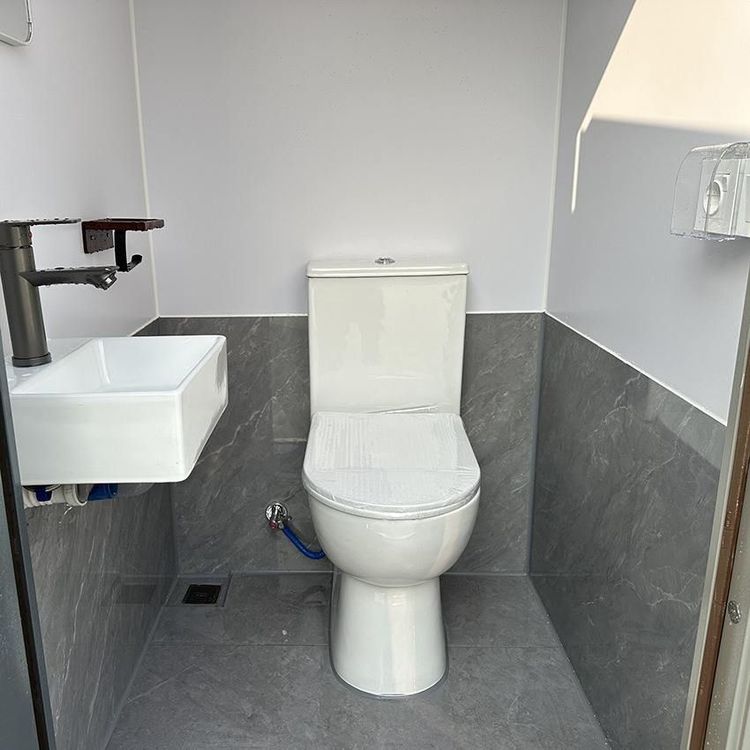
- Physical Separation: Adopts dry-wet separation technology, where solid feces are packaged and stored, and urine is treated and discharged. It is suitable for areas without sewage pipe networks (such as grasslands and deserts). For example, the "water-free and electricity-free 3+1 mobile mechanical packaging toilet" customized by a Zhangye customer falls into this category.
III. Installation Scenarios and Layout Logic
- Tourist Attractions: Evenly distributed along sightseeing routes, with a recommended spacing of 200-500 meters, close to popular attractions or rest areas. Modular design supports functional expansion (such as adding accessible rooms).
- Seasonal Campsites: Dynamically adjust positions according to usage cycles. For example, summer grassland campsites can prioritize well-ventilated areas far from water sources to avoid pollution.
- Temporary Markets: Concentrated configuration based on pedestrian traffic, using quick-assembly and disassembly structures that can be relocated to other areas for reuse after the event.
IV. Maintenance and Ecological Protection
- Regular Maintenance: Clean storage units daily, check the remaining amounts of degradation agents, toilet paper, and other consumables. Clean the interior space weekly and disinfect sanitary fixtures. Inspect mechanical and electrical systems (such as solar panel efficiency) monthly.
- Ecological Assessment: Before installation, assess the potential impact on soil and vegetation, such as avoiding soil compaction in densely vegetated areas. Sewage discharge methods must comply with local environmental protection standards to prevent groundwater pollution.
- Appearance Coordination: The exterior wall materials and colors should blend into the natural landscape or cultural atmosphere. For example, in the Zhangye case, "tech-industrial mechanical materials" were used to match the grassland and desert environment, reducing visual incongruity.