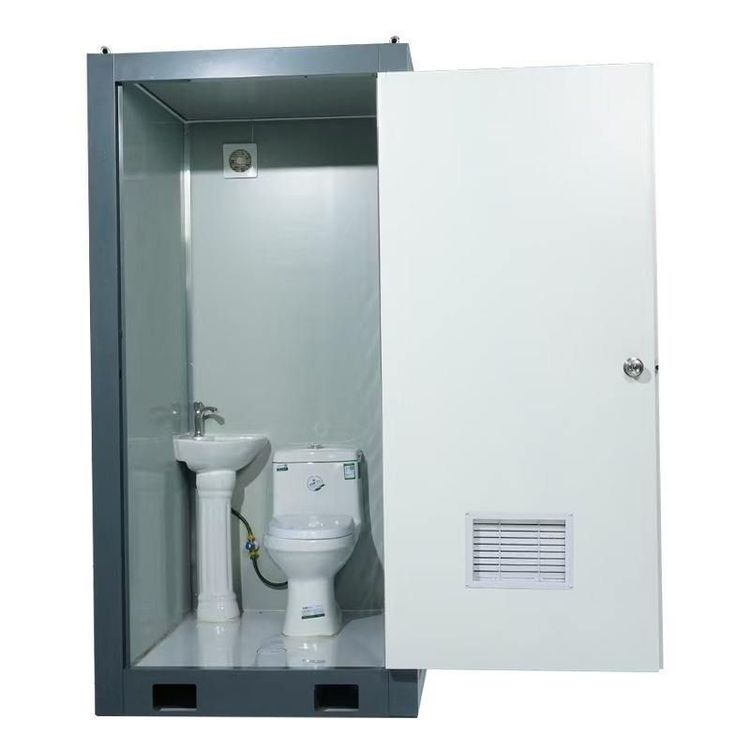
Zhangjiajie Container House Construction
Container house construction in Zhangjiajie features convenience, flexibility, environmental sustainability, and technological innovation to ensure high-quality living conditions, with multiple companies offering related services.

Convenience and Flexibility
The main body of container houses is prefabricated in factories, with on-site work primarily involving foundation treatment and hoisting connections. A standard unit can be hoisted into place in just a few tens of minutes, significantly shortening the overall project timeline from transportation to occupancy readiness. On-site construction mainly involves dry operations, avoiding the extensive wet work common in traditional construction. This reduces environmental impact, with less noise and construction waste, and standardizes the technical requirements for workers during installation. When the project ends or the location changes, the units can be easily disassembled, relocated, and reassembled at a new site, enabling resource recycling and making them suitable for temporary or periodic use scenarios. Standardized modular units can be flexibly combined horizontally and vertically to create spaces of different sizes and functions, such as dormitories, offices, exhibition halls, and convenience stores, meeting diverse temporary space needs.
Environmental Sustainability
Many packing-box units are repurposed from old shipping container shells, giving new life to waste resources. Even when made from new steel, the main structural materials are highly recyclable. Factory-based prefabrication allows for more precise calculation and control of material usage, reducing waste from on-site cutting. Dry construction methods save significant amounts of water compared to traditional methods, making the overall building process more resource-efficient. With minimal on-site work and short project durations, the impact on the original terrain and ecological environment of the installation site is reduced. After project completion, the units can be thoroughly removed, facilitating site restoration. Components are manufactured in factories and assembled on-site, generating minimal waste and reducing environmental pressure on surrounding areas.
Technological Innovation Ensuring High-Quality Living
BIM technology is used to pre-install water and electricity pipelines, with rock wool insulation layers in the walls, enabling indoor-outdoor temperature differences of over 15°C in winter. Steel recycling rates reach 100%, reducing construction waste by 80% compared to traditional buildings. Optional photovoltaic roofing solutions can generate 8-10 kWh of electricity per day. Horizontal splicing allows for the transformation of medical stations, schools, and other public facilities.
Construction-Related Companies and Services
Multiple companies are available to undertake related engineering projects, offering customized design solutions, rental and sales services, and bespoke customization options.