
Zeng Chendao Prefabricated Modular Housing
Zeng Chendao (Eric Kwong) is the founder and chairman of ALUHOUSE, a brand that has developed prefabricated modular housing centered around aluminum modules, showcasing significant technological advantages and market application potential.
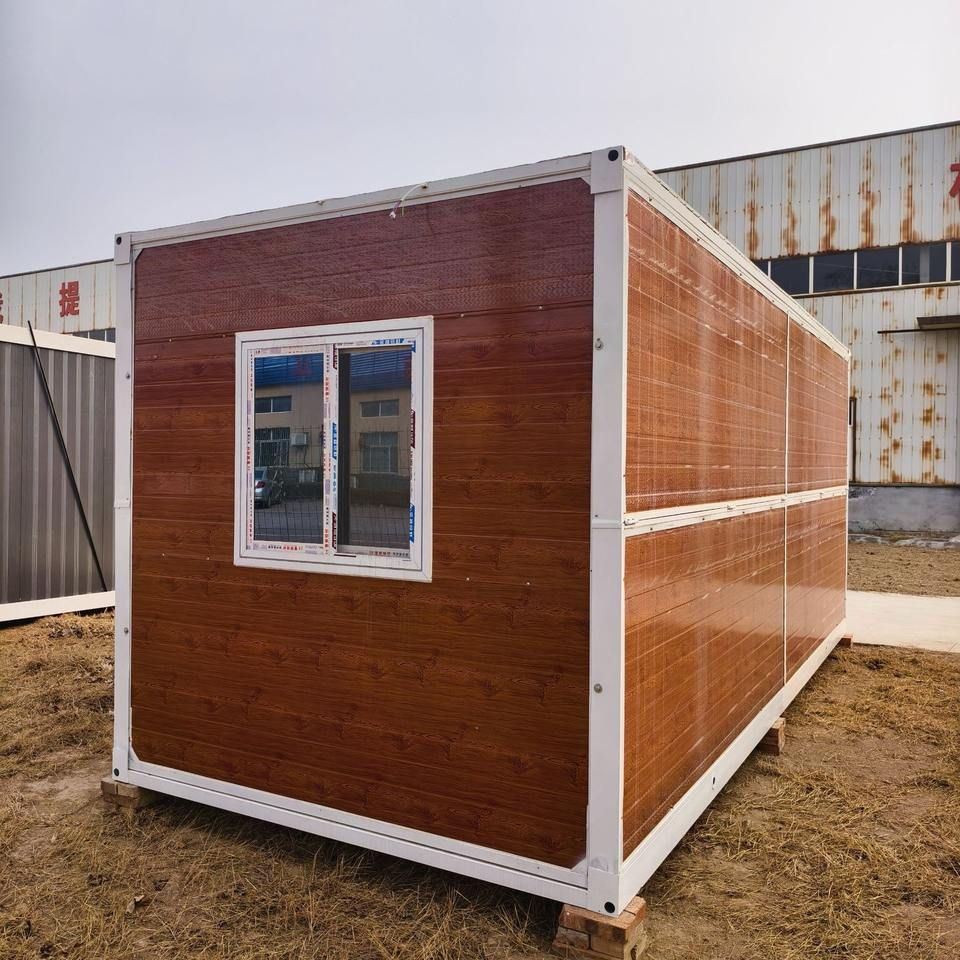
1. Research and Development Background and Core Materials
Zeng Chendao established the ALUHOUSE brand in 2012, focusing on innovative research in prefabricated modular construction. He introduced aluminum into the architectural field, replacing traditional steel or wood, and developed aluminum modular housing. Aluminum is lightweight, corrosion-resistant, and recyclable, providing a fundamental guarantee for the safety and environmental friendliness of the housing.
2. Product Features and Technological Advantages
Aluminum modular housing boasts six core features:
- Safety: Aluminum has high strength and a stable structure, enabling it to withstand natural disasters such as earthquakes and typhoons.
- Environmental Friendliness: Aluminum is 100% recyclable, reducing construction waste and aligning with low-carbon development needs.
- Portability: The modular design supports overall relocation, adapting to temporary or mobile demands.
- Easy Assembly and Disassembly: Standardized components are connected with bolts, eliminating the need for welding and shortening the installation period to one-third of that of traditional buildings.
- Reusability: Components can be reassembled after disassembly, lowering long-term usage costs.
- Flexible Combination: Modules can be flexibly spliced according to needs, meeting various spatial and functional requirements.
Technologically, ALUHOUSE focuses on low-rise prefabricated modular housing and aluminum structural building systems, having obtained multiple invention and utility model patents covering key areas such as structural design, connection nodes, and thermal insulation.
3. Market Expansion and Industry Impact
ALUHOUSE enhances its brand influence through international cooperation and exhibition promotions:
- 2025: Signed an agreement with ALUPCO in Saudi Arabia to jointly establish an aluminum processing industrial base, promoting localized production in the Middle East market.
- April 2026: Debuted at the Global Modular Building Exhibition in Las Vegas, USA, and won an award, announcing the expansion into the North American market with California as the pivot.
These initiatives indicate that aluminum modular housing is transitioning from regional applications to the global market, with broad prospects in emergency housing, tourism resorts, commercial exhibitions, and other fields.
4. Application Scenarios and Future Directions
Aluminum modular housing has been applied in urban temporary buildings, post-disaster reconstruction, power supply stations in remote areas, and other scenarios. In the future, with technological advancements, its thermal insulation performance and intelligence level will further improve, potentially becoming a mainstream choice for green buildings.



