
Yunyang Mobile Toilet Manufacturer
The Yunyang mobile toilet manufacturer provides highly integrated, environmentally adaptable modular system solutions. The product design and functional realization require the integration of material science, structural mechanics, and ergonomics principles. The key points are as follows:
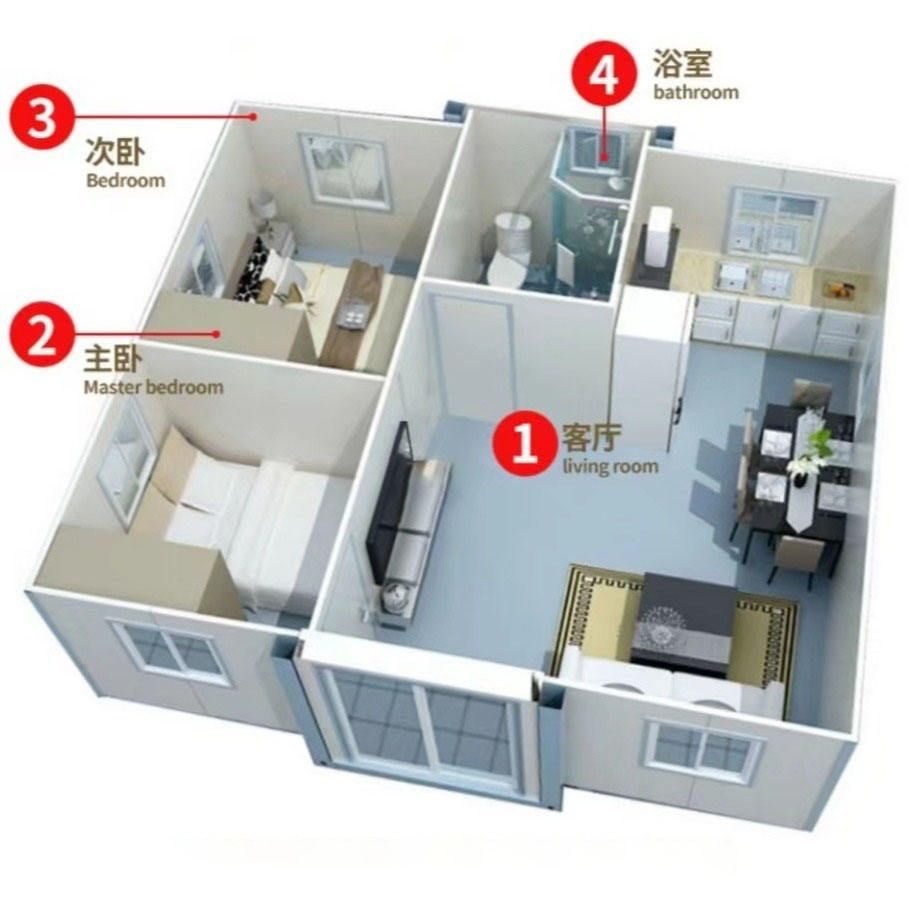
1. Structural and Material Design
The box structure of the mobile toilet needs to balance strength, corrosion resistance, thermal insulation, and self-weight. Commonly, metal frames (such as aluminum alloy or galvanized steel) are paired with composite panels (such as fiberglass reinforced plastic or color-coated steel sheets), with polyurethane foam or similar materials filling the internal sandwich layer to enhance thermal insulation and soundproofing. Structural design must undergo mechanical calculations to ensure stress tolerance during transportation and load stability after installation, such as adopting modular assembly methods to simplify on-site assembly processes and incorporating leveling legs to adapt to uneven ground.
2. Integration of Internal Functional Units
Efficient layout of sanitary fixtures, sewage disposal units, ventilation systems, lighting, and water supply and storage units is required within limited space. Sewage disposal technologies vary significantly:
- Water-dependent type: Traditional water-flushing systems rely on municipal water supply and drainage pipelines, suitable for scenarios with existing infrastructure;
- Water-saving/waterless type: Vacuum toilets reduce water consumption through negative pressure principles; biodegradable toilets utilize microbial communities to decompose waste; and packing toilets employ mechanical sealing devices to collect waste without external water sources.
Ventilation systems typically combine natural exhaust with forced draft, with some models equipped with activated carbon filters to control odors.
3. Energy and Information Interaction Design
Energy supply is divided into self-sustaining and externally powered types:
- Self-sustaining type: Integrates solar photovoltaic panels, small wind turbines, or large-capacity batteries to enable off-grid operation, suitable for remote areas or emergency scenarios;
- Externally powered type: Reserves standard power interfaces, relying on municipal power grids for electricity.
In terms of information interaction, high-end models can be equipped with sensors to monitor toilet stall usage status, odor concentration, and consumable inventory, with data transmitted to management platforms via the Internet of Things, although this increases system complexity and cost.
4. Scenario Adaptation and System Integration
As a system integrator, the manufacturer needs to customize solutions based on the usage environment (such as scenic spots, construction sites, disaster areas), maintenance frequency (such as daily cleaning or long-term unattended operation), and final disposal methods (such as connecting to municipal sewage networks or independent septic tanks). For example, in addition to providing standard products, Jinhua Xin'an Steel Structure Engineering Co., Ltd. also supports quotation consultations and customized design services for mobile toilets to meet differentiated needs.



