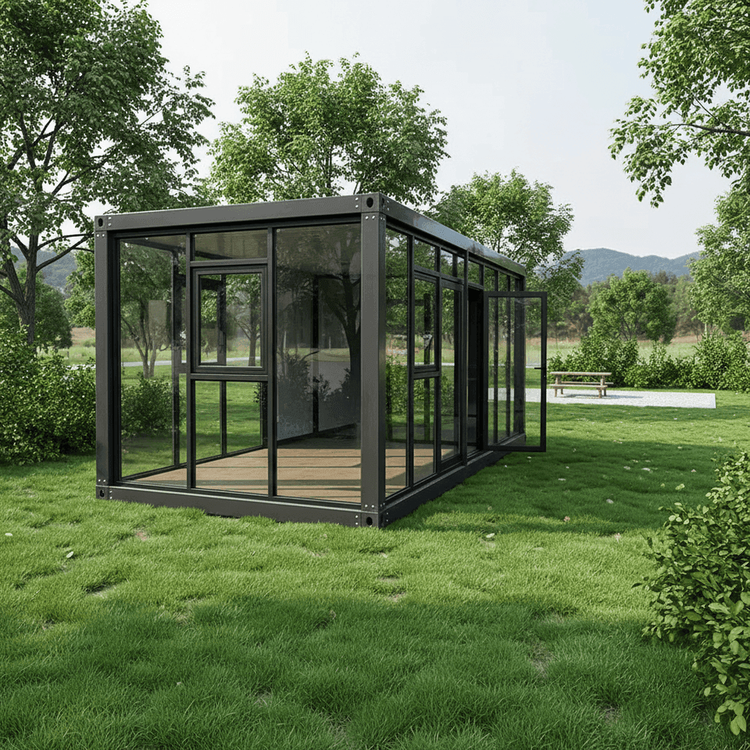
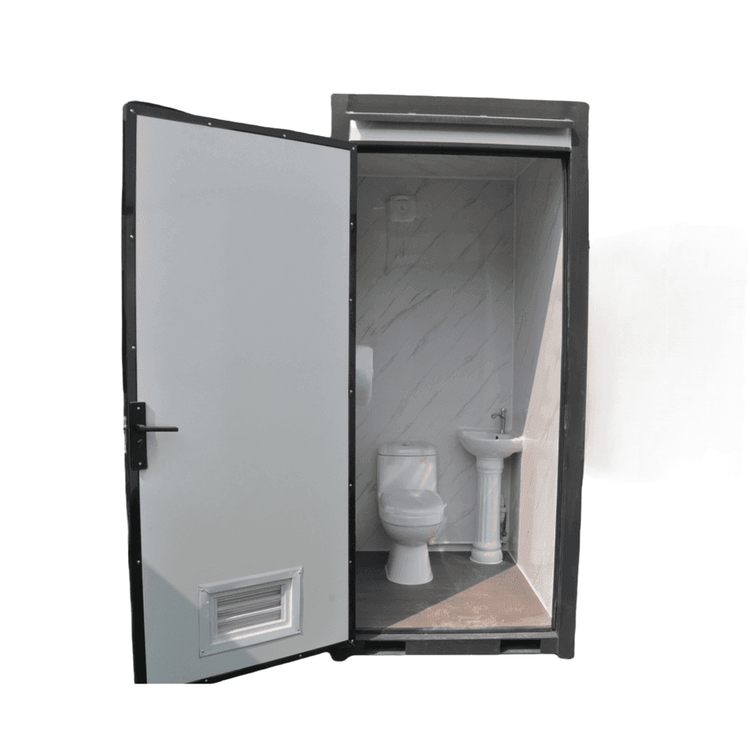
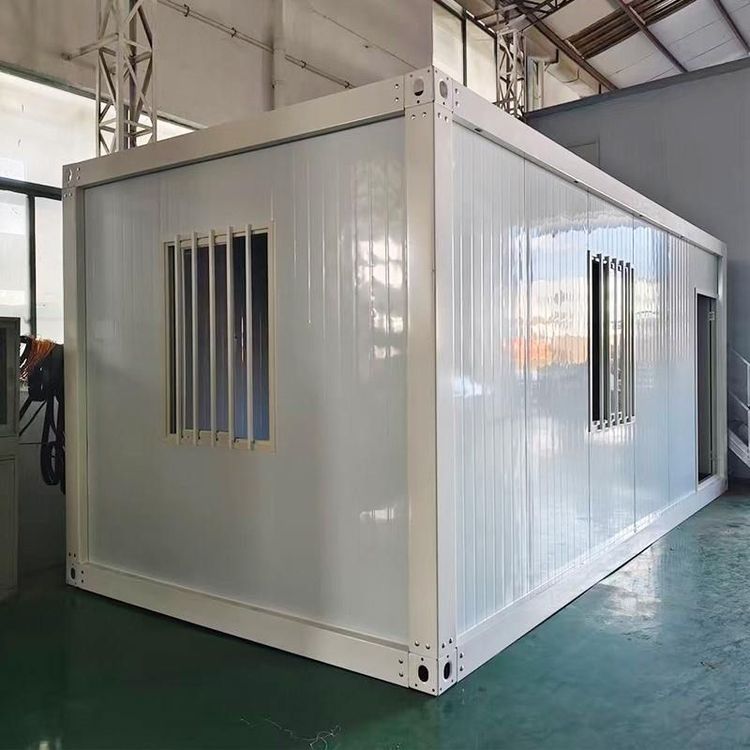
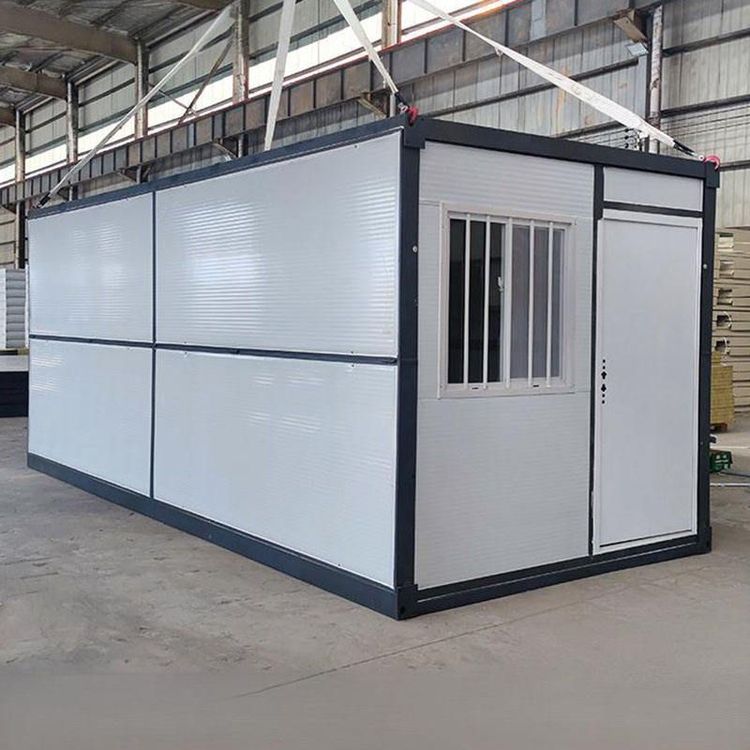
Yunqi Ge Container House for Living
If Yunqi Ge container houses are to be used for living, their safety and compliance need to be carefully considered. Currently, there is a lack of direct information, but analysis can be based on the general characteristics of residential containers.

Residential containers are temporary living spaces formed by modifying traditional containers. They are commonly found in construction sites, field operations, tourist attractions, and other scenarios. Their structures usually adopt a modular design, with the container frame primarily made of steel and the enclosure structure often using sandwich panels (filled with rock wool or glass wool). These materials are non-combustible and can theoretically slow down the spread of fire in the event of a fire, but actual safety needs to be evaluated based on specific modification techniques.
1. Fire safety hazards require special attention
Some residential containers use flammable materials in violation of regulations. For example, to reduce costs, some modifiers may use flammable fillers such as polystyrene foam boards, resulting in fast combustion rates and difficulty in extinguishing fires. Additionally, the internal space of containers is narrow, and ventilation is limited. In the event of a fire, trapped individuals may find it difficult to escape, and the accumulation of smoke can exacerbate the danger. If Yunqi Ge container houses do not strictly comply with fire safety regulations, such risks will significantly increase.
2. Compliance issues with modified used containers
According to relevant regulations, residential houses modified from used containers are considered illegal structures and pose significant fire safety hazards. They may be required to undergo rectification or demolition. If Yunqi Ge container houses are modified from used containers, even if the materials meet fire safety standards, they may still face regulatory risks due to building compliance issues, affecting long-term use.
3. Suitable scenarios and limitations
Residential containers are more suitable for short-term, temporary needs, such as construction site dormitories and emergency housing. For long-term residence, issues such as ventilation, lighting, and insulation need to be addressed, and structural safety needs to be regularly inspected. If Yunqi Ge container houses are not optimized for residential needs (such as adding escape routes or improving ventilation systems), their living comfort and safety may not meet daily requirements.
Recommendation: If considering using Yunqi Ge container houses for living, prioritize confirming their material compliance (such as the type of filler in sandwich panels) and building compliance (whether they are modified from used containers), and request a fire safety inspection report. For long-term residence, it is recommended to choose professionally modified compliant products and conduct regular maintenance and inspections.