Everything You Need to Know About Portable Toilet Eco-Friendly Design
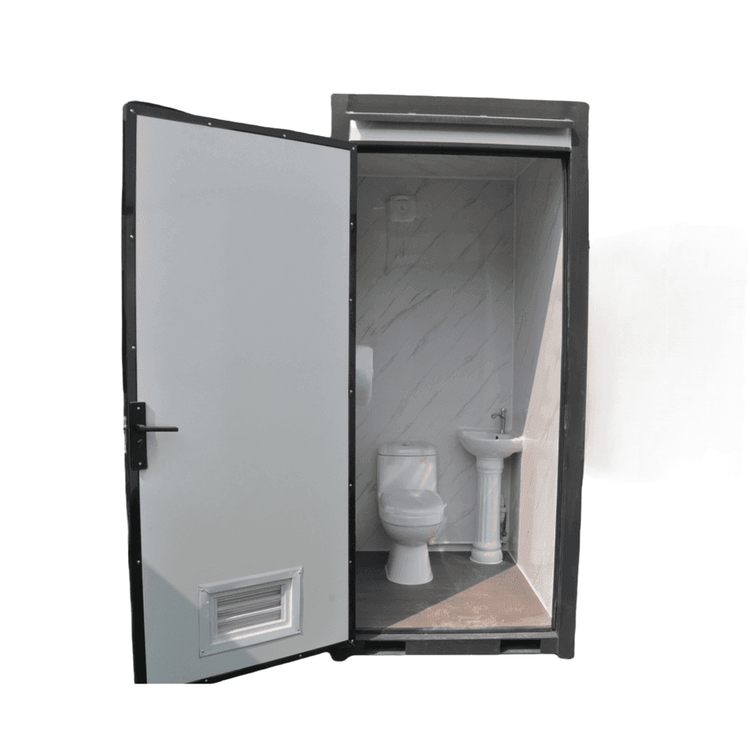
The eco-friendly design of portable toilets encompasses key aspects such as biodegradation, water-saving technologies, sustainable materials, solar power systems, smart management, and decentralized treatment.

1. Biodegradation Technology
Some portable toilets are equipped with bioreactors that convert human waste into harmless, eco-friendly byproducts like water, carbon dioxide, and a small amount of organic fertilizer through microbial decomposition. This process significantly reduces reliance on septic tanks or centralized treatment systems, lowers the risk of pollutant discharge, and enables resource recycling of waste.
2. Water-Saving Technology Innovations
Eco-friendly portable toilets employ various water-saving technologies:
- Vacuum Suction Systems: Utilize negative pressure to rapidly remove waste, consuming as little as 0.2-0.5 liters of water per flush—over 80% less than traditional toilets.
- Foam Sealing Technology: Uses foaming agents to create a sealed layer over waste surfaces, blocking odors and reducing flushing needs, achieving zero-water flushing.
- Recirculating Flush Systems: Filter and disinfect flush water for reuse, further reducing water consumption.
3. Sustainable Material Applications
The main structure of the toilet is made of high-strength composite materials with corrosion resistance and anti-aging properties, offering a service life of over 10 years. Some designs incorporate recycled plastics or reclaimed metals, minimizing environmental impact from raw material extraction. Modular design facilitates easy disassembly and repair, extending the product's overall lifecycle.
4. Solar Power Systems
Integrated solar panels provide auxiliary power for lighting, ventilation, and waste treatment units, particularly suitable for remote areas without grid access. Energy storage batteries ensure continuous operation during nighttime or cloudy weather, eliminating reliance on fossil fuels and reducing carbon emissions.
5. Smart Management Systems
Sensors monitor toilet usage frequency, consumable levels (e.g., toilet paper, disinfectant), and biological treatment unit status in real time. Cloud-based data analysis enables precise scheduling of cleaning and maintenance personnel, preventing over-servicing or resource waste while improving operational efficiency by 20%-30%.
6. Decentralized Treatment Models
Compared to traditional centralized treatment, on-site processing by portable toilets reduces leakage risks during long-distance sewage transport and energy consumption from infrastructure like pumping stations and pipelines. This model is particularly ideal for temporary events, disaster relief, or ecologically sensitive areas, effectively protecting surrounding water bodies and soil environments.