
Yongzhou Square Mobile Toilets
Mobile toilets in Yongzhou Square are primarily used to meet temporary public health needs in public areas, commonly seen in large-scale event settings. Rental services are provided by professional companies, covering various types and supporting facilities.
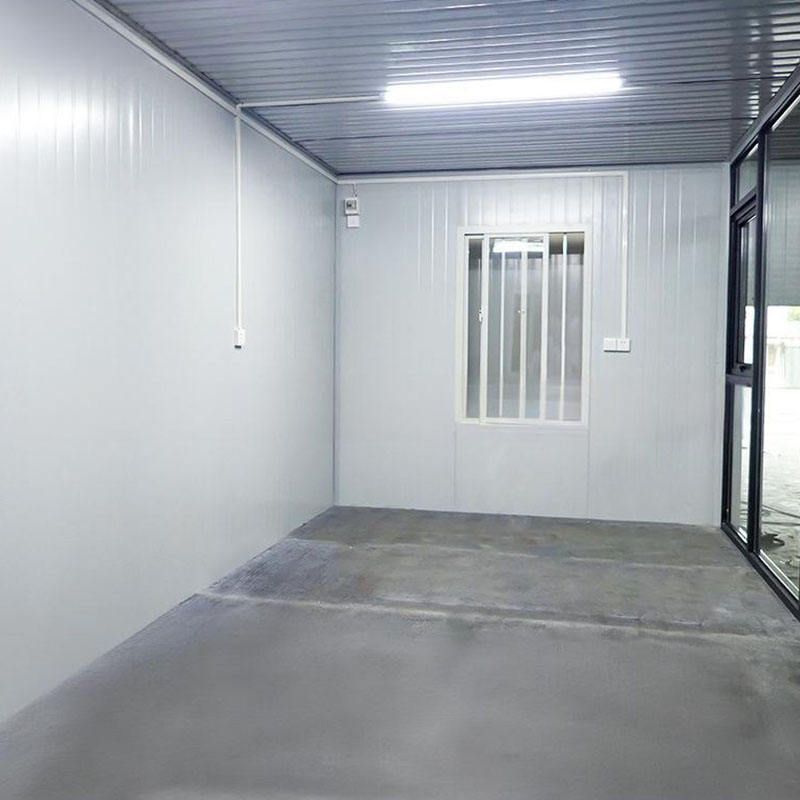
I. Application Scenarios and Functional Positioning
The application of mobile toilets in public areas such as Yongzhou Square aims to address the toilet needs of temporary, high-density crowds. For example, during large-scale events like music festivals, concerts, and marathons, traditional fixed toilets struggle to accommodate the large number of users in a short period. Mobile toilets can quickly fill the gap in sanitation facilities through flexible deployment. Their functional designs typically include basic configurations such as independent squatting or sitting toilets, sinks, and ventilation systems. Some high-end models are also equipped with air conditioners, baby care stations, and other facilities to adapt to different scenarios.
II. Service Types and Rental Models
Mobile toilet rental services in the Yongzhou area are provided by companies (such as Liwei 365) and mainly fall into three categories:
- Luxury Type: Equipped with smart toilets, air purification systems, background music, etc., suitable for high-end events or commercial settings;
- Standard Type: Meets basic toilet needs, including independent compartments, lighting, and ventilation equipment, offering high cost-effectiveness;
- Eco-Friendly Type: Uses water-saving technology or biodegradable treatment systems to reduce sewage discharge, suitable for ecologically sensitive areas or long-term use scenarios.
Rental services typically include one-stop support such as on-site installation, dismantling, maintenance, and cleaning. Some suppliers offer free shipping from local warehouses, covering the entire Yongzhou area and reducing customer logistics costs.
III. Rental Process and Precautions
- Demand Confirmation: Select the type and quantity of toilets based on the event scale, duration, and crowd characteristics (such as the proportion of elderly and children);
- Service Provider Consultation: Contact the supplier via phone or online platform to obtain specific model parameters, rental prices, and service terms;
- Deployment and Maintenance: The service provider is responsible for transportation, installation, and commissioning, providing regular cleaning and fault repairs during the event;
- Recovery and Settlement: After the event, the service provider is responsible for dismantling and recovery, settling fees based on the actual number of days used.
Note: Before renting, clarify contract terms, including details such as damage compensation and cleaning responsibilities, to avoid disputes.
IV. Advantages and Limitations
The advantages of mobile toilets lie in their high flexibility, rapid deployment, and controllable costs, making them particularly suitable for temporary or seasonal demand scenarios. However, their limitations include: the cost per use may be higher than that of fixed toilets, stability may be poor in extreme weather conditions, and some models require connection to water and electricity lines. Therefore, when choosing, it is necessary to comprehensively evaluate the event scale, budget, and site conditions.



