Back to blog
Article
Yixian Construction Site Portable Toilet
Admin September 22, 2026
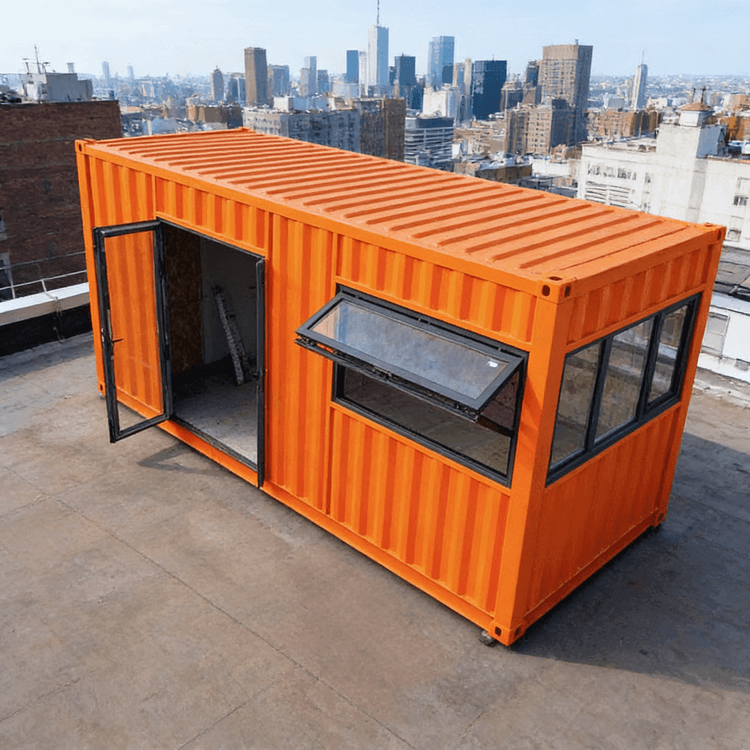
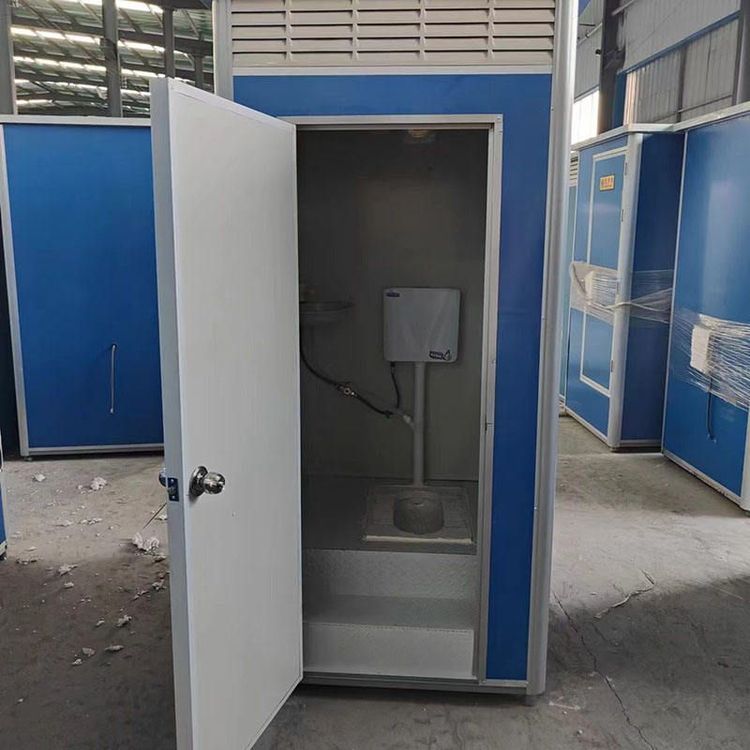
The portable toilets for construction sites in Yixian are modular and movable sanitation facilities that meet temporary needs such as those on construction sites. They are characterized by strong adaptability, easy maintenance, and environmental protection and energy conservation.

Core Components and Functions
Portable toilets for construction sites mainly consist of three parts:
- Mobile Chassis and Box Body: Made of high-strength materials, they do not require a fixed foundation and can be quickly installed or relocated. Some models are equipped with adjustable legs to adapt to mountainous or uneven terrain. Considering the distinct four seasons in Yixian, the box body may be enhanced with insulation design or equipped with small heating devices to ensure normal use in winter.
- Internal Sanitation Units: These include toilets (mostly squat or sit types), flushing devices (some using high-pressure water-saving technology), lighting and ventilation equipment (such as exhaust fans or natural vents), ensuring basic usage functions.
- Waste Treatment Systems: According to environmental protection requirements, they are divided into fecal storage tanks (requiring regular removal), biodegradation treatment chambers (using microorganisms to decompose excrement), or chemical disinfection temporary storage devices (adding disinfectants to suppress odors). Some equipment adopts biodegradable film packaging technology to reduce water consumption.
Applicable Scenarios and Advantages
Portable toilets for construction sites are specifically designed for temporary scenarios, with core advantages including:
- Equipment Robustness: Adaptable to complex construction site environments, resistant to impact and corrosion;
- Maintenance Convenience: Modular design facilitates quick repairs, and rental contracts typically specify the party responsible for daily cleaning;
- Environmental Compliance: Meeting environmental protection indicators through water-saving technologies (such as high-pressure flushing systems), the use of biodegradable chemicals, and centralized waste treatment;
- Climate Adaptability: Insulated box bodies or heating devices ensure usability in low-temperature environments, and chassis adjustment functions adapt to terrain differences.
Rental Service Models
Two operational models are available in the Yixian area:
- Self-owned Equipment Operation: A single team is responsible for procurement, maintenance, and scheduling, with standardized service processes, but the number of devices may be limited;
- Platform Integration Operation: Connecting multiple suppliers to meet diverse customer needs through information matching, but requiring coordination among multiple parties. Rental contracts should clarify key terms, such as transportation and installation responsibilities, damage determination standards, emergency failure response mechanisms (such as deploying backup equipment within 2 hours), and cost structures (including basic rental fees, cleaning service fees, and transportation fees).
Environmental Protection Indicator Considerations
When selecting equipment, focus on the following:
- Water-saving Performance: Prioritize high-pressure water-saving flushing systems or waterless technologies;
- Excrement Treatment: Biodegradation or chemical disinfection methods should comply with local environmental protection regulations;
- Material Recycling Rate: The number of times the equipment can be reused and the recycling ratio of metals and plastics.
Related