
Yingtan Mobile Toilet Design
The design of mobile toilets in Yingtan needs to integrate scenario-specific requirements, functional configurations, and environmental protection standards, achieving efficient deployment through modular and customized solutions.
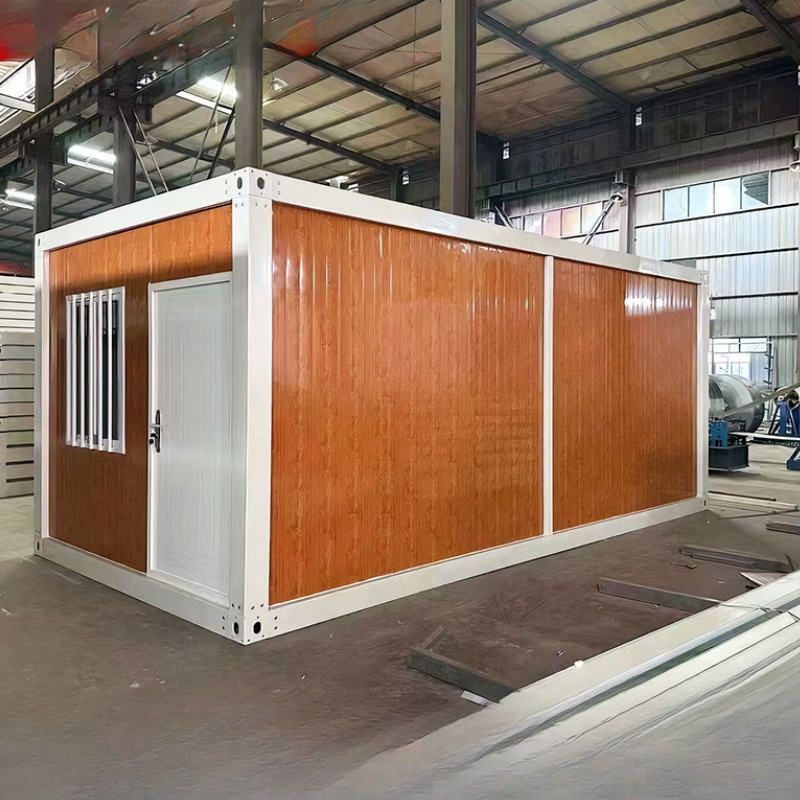
I. Scenario-Based Adaptive Design
1. Large-Scale Event Scenarios
Toilet ratios should be configured at 1:1.5 for men and women, with guiding signs at entrances. Anticipate peak times when daily foot traffic exceeds 10,000. For equipment selection, double-unit public toilets with partitions (six stalls each for men and women) are recommended to meet high-traffic demands. For example, open-air events like music festivals require site surveys 7-10 days in advance, with floor plans indicating toilet locations to ensure spacing does not exceed 300 meters.
2. Construction Site Scenarios
Single-unit public toilets with stalls should be placed near worker living areas (within a 200-meter walk) and adjusted based on shift schedules. For instance, a three-shift construction site can be equipped with 3-4 toilet stalls to avoid resource idleness. Functional design should include sinks, basic lighting, and tool storage space, with materials like galvanized pipes or metal carved panels chosen for durability and cost-effectiveness.
3. Temporary Expansion in Scenic Areas
Modular design is essential, utilizing quickly assembled geometric structures that blend with the styles of scenic spots like Longhu Mountain and Guyue Water Street. For environmental technology, prioritize intermittent aerobic/anaerobic treatment equipment or foam-flush systems to reduce sewage discharge. For example, a scenic area achieved sewage recycling through microbial treatment toilets, reducing impact on natural water bodies.
II. Functional and Configuration Standards
1. Basic Infrastructure
Each toilet must be equipped with sinks, toilet paper, hand soap, and heating devices in winter. Accessible toilets (including baby care stations) should be added in compliance with the Urban Environmental Sanitation Facilities Planning Standards. For sewage systems, flush or vacuum options are recommended, with regular waste removal to prevent odor spread.
2. Special Technologies
In water-scarce areas, dry-pack toilets can be used, where excreta is collected in biodegradable plastic bags and automatically replaced. Alternatively, microbial treatment toilets can be selected, using solid-liquid separation devices and biological strains to accelerate fermentation and achieve resource recycling. For example, a drought-stricken area reduced water usage by 90% through dry toilets.
III. Environmental Protection and Compliance Requirements
Sites should be located away from pollution sources (e.g., garbage stations, drainage ditches) on firm, level ground, with one toilet allocated per 500 people at large events. Emission standards must comply with Yingtan's environmental regulations, prioritizing low-pollution systems. Dry toilets require daily excreta removal to prevent overflow. Installation and maintenance should be performed by professional teams, with water, electricity, and ventilation systems tested 24 hours before events and sites disinfected and cleared within 48 hours after events.
IV. Design and Implementation Process
Initial research should clarify event timing, foot traffic, and site constraints. Equipment selection supports customization (e.g., size, materials, LED lighting). After installation, daily inspections should replenish consumables. It is advisable to partner with qualified manufacturers, such as Quanzhou Hengan Shun (model YDCS0518, starting at 1,850 yuan) or Yongkang Xincheng (supporting custom drainage units, priced at 1,400-1,500 yuan per set), to ensure designs meet municipal standards.
You may also like

Portable Toilet Used in 2026: Buying Guide & Recommendations
Read More
Portable Toilet Custom Explained: How to Choose the Right One
Read More
Top Portable Toilet Smart Manufacturers: How to Choose a Factory Partner
Read More