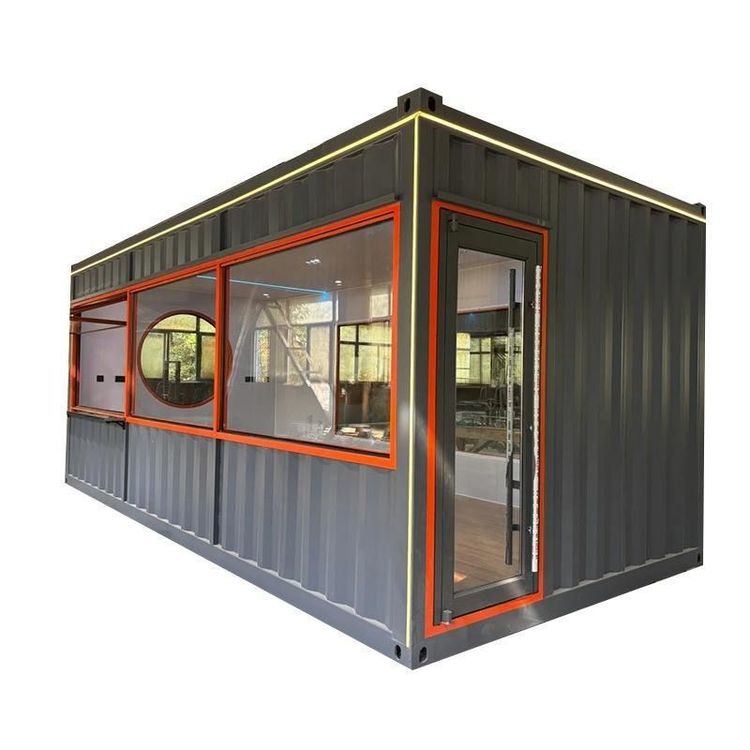
Yichun Mobile Toilets Are Trustworthy
Yichun mobile toilets are indeed trustworthy, with advantages reflected in type adaptability, standardized services, scientific planning, and eco-friendly materials.

I. Diverse Types to Meet Various Scenario Needs
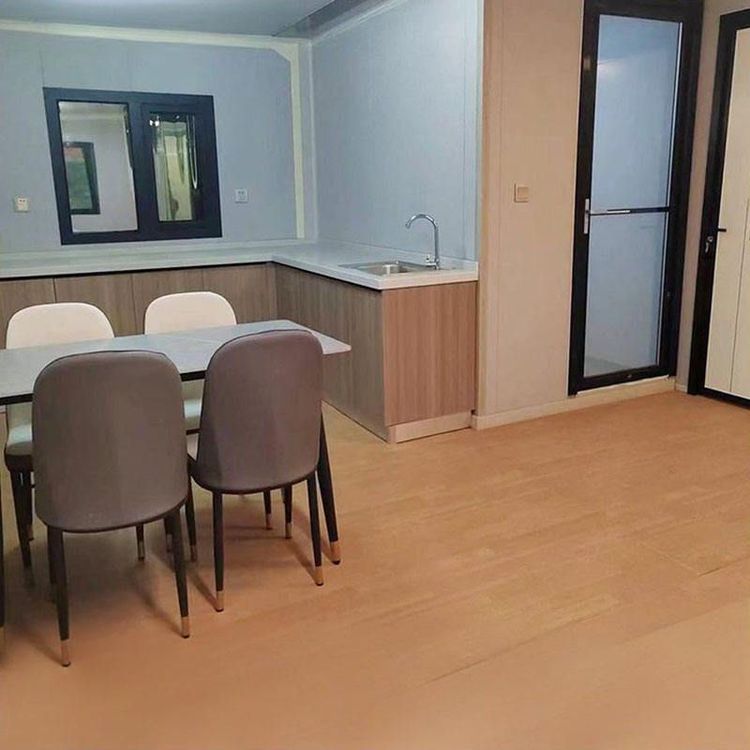
Yichun mobile toilets offer a variety of types to precisely match the usage requirements of different scenarios. The basic model has a simple structure and is suitable for ordinary outdoor activities or temporary construction sites. The upgraded version with a sink is designed for events with high foot traffic, such as music festivals and sports events, effectively reducing queue times. The barrier-free model strictly adheres to size standards, with reserved wheelchair access to facilitate use by disabled individuals. For scenic spots or high-end events, models equipped with aroma systems and non-slip floor tiles are available to enhance user comfort. This segmented product system ensures that users in different scenarios can obtain suitable sanitation facilities.
II. Detailed Rental Services to Avoid Potential Disputes
The standardization of the rental process is key to the trustworthiness of Yichun mobile toilets. Before renting, core information such as the usage period (charged by day or week), deployment location (scenic spots, construction sites, or urban areas), and estimated foot traffic (e.g., 3-4 toilets needed for a 100-person event) must be clarified with the supplier. If special functions like heating or ventilation are required, these should be confirmed in advance. Details such as whether cleaning services are included in the rental fee and the division of subsequent cleaning responsibilities should also be clearly agreed upon. Through proactive communication, disputes arising from ambiguous terms or service deficiencies can be effectively avoided.
III. Scientific Deployment Planning to Optimize User Experience
The placement of mobile toilets directly affects usage efficiency and safety. The deployment of Yichun mobile toilets follows three principles: first, keeping them away from water sources and food areas to prevent cross-contamination; second, maintaining a distance of no more than a 50-meter walk from the main event area to reduce user movement costs; and third, ensuring a flat ground surface and reserving fire exits and emergency spaces. For scenic spots, toilets must meet environmental requirements, avoiding damage to vegetation and prioritizing hardened surfaces or designated areas. For construction sites, they should be placed away from vehicle routes and equipped with safety warning signs to protect personnel and equipment.
IV. Eco-Friendly and Safe Materials to Ensure Healthy Use
The main structure is made of stainless steel, which is corrosion-resistant and easy to clean, with a service life of over 10 years. The walls use eco-friendly composite materials such as melamine boards or bamboo-wood fiber boards, which are moisture-proof, fire-resistant, and soundproof, and do not contain harmful substances like formaldehyde. Internal facilities such as sinks and toilets are mostly made of ceramic or recyclable plastic, while the floors and roofs use waterproof and non-slip materials to reduce the risk of slipping at the source. These material choices not only comply with environmental standards but also ensure long-term safety and ease of maintenance.