
Yichang Environmental Protection Mobile Toilet Design
The design of Yichang's environmental protection mobile toilets integrates flexibility, environmental friendliness, safety, and user-friendliness, with specific features as follows:
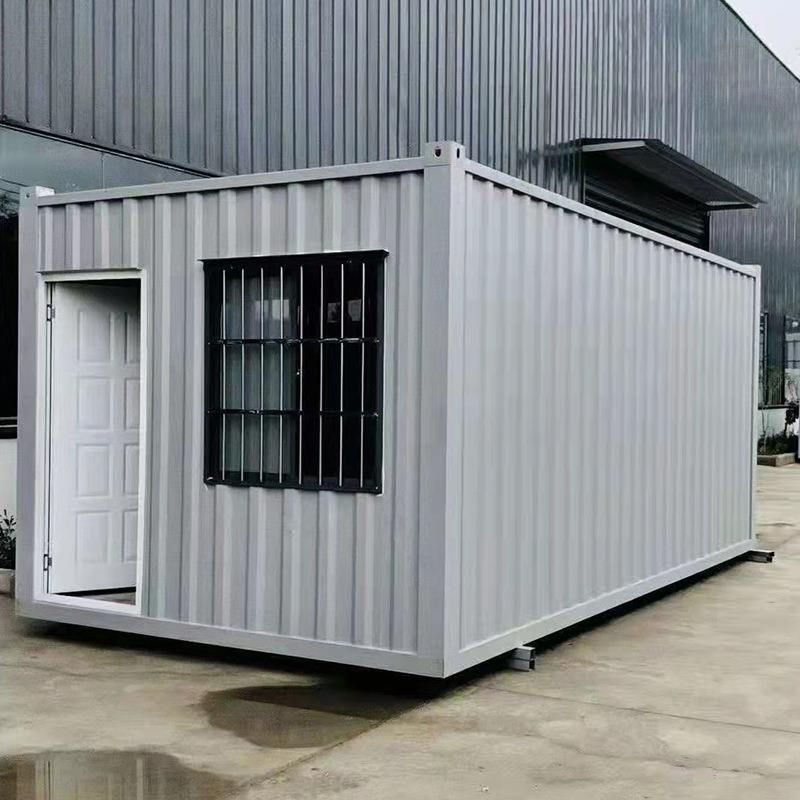
1. Material and Structural Design
The toilet body is primarily made of fiberglass-reinforced plastic (FRP), corrosion-resistant color-coated steel plates, and composite materials, which are lightweight, aging-resistant, acid- and alkali-resistant, and thermally insulating, facilitating easy transportation and hoisting. The structural design employs a sturdy steel frame to ensure that the overall structure remains intact and undamaged after multiple hoistings or long-distance transportation, meeting the flexible deployment needs of various scenarios.
2. Safety Design
The floor is made of anti-slip materials to reduce the risk of user slips; the door lock mechanism balances privacy protection with emergency opening functionality to prevent accidental entrapment; and the application of fire-retardant materials further enhances safety during use. Additionally, solar-powered lighting is installed on the top, automatically illuminating at night for easy location and use while avoiding potential safety hazards associated with traditional lighting.
3. Adaptability to Special Environments
The design is optimized for different climatic and geographical conditions:
- Cold Regions: Equipped with electric tracing heating systems, freeze-resistant materials, and waterless treatment technologies to prevent pipeline freezing;
- Coastal or Chemical Zones: The toilet body uses corrosion-resistant special steel or composite materials to resist salt and chemical erosion;
- Windy Areas: The bottom fixing devices are reinforced or additional weights are added to prevent tipping;
- Desert Arid Zones: Water-saving designs are enhanced to reduce water dependency.
4. Environmental Protection Technology Innovations
- Biodegradation Technology: Waste is decomposed by microorganisms, reducing sewage discharge from traditional flush toilets;
- Water Resource Recycling: Integrated rainwater harvesting systems and graywater recycling devices enable self-sufficiency in flushing water;
- Solar Power Supply: An independent power supply system supports lighting, ventilation, and intelligent prompts, reducing reliance on external power sources.
5. User-Friendly Design
- Space Planning: The interior space is ample, equipped with handrails, coat hooks, storage shelves, mirrors, and other facilities to enhance convenience;
- Ventilation and Lighting: The exhaust system promptly removes odors, and the lighting system provides sufficient and soft light, ensuring comfort during nighttime use;
- Barrier-Free Design: Spacious spaces, wheelchair ramps, emergency call buttons, and other features are provided for special populations, reflecting social care.
6. Aesthetic Coordination
The exterior design emphasizes structural stability and color coordination, allowing for adjustments based on the surrounding environment to achieve a balance between functionality and aesthetics.


