Yibin Mobile Toilet Design
Yibin's mobile toilet design emphasizes the combination of customization, functionality, and aesthetics, tailored to the needs of different scenarios while considering material durability, structural rationality, and integration with urban culture.

1. Scenario-Based Custom Design
Yibin's mobile toilet design prioritizes adaptability to local conditions, adjusting design directions based on the functional requirements of different usage scenarios. For example, mobile toilets in parks and scenic spots need to balance aesthetics and durability, with exterior designs that harmonize with natural landscapes using decorative materials like wood-grain or stone-texture finishes. High-strength composite materials or stainless-steel structures are selected to ensure corrosion resistance and stability under prolonged outdoor exposure. In contrast, construction site scenarios focus more on practicality and ease of cleaning, featuring integrated non-slip floors and removable partitions for quick maintenance and component replacement, minimizing downtime.
2. Material and Structural Optimization
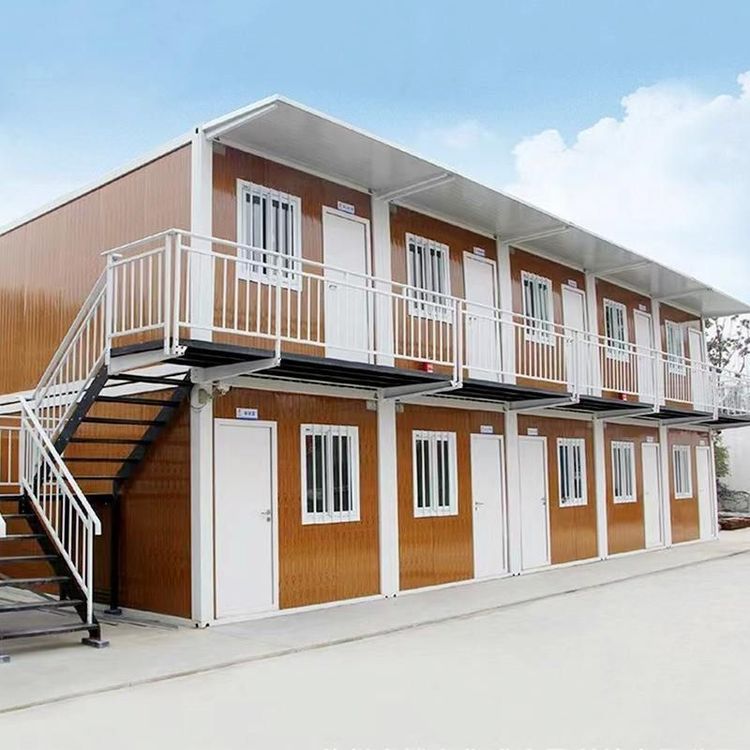
Material selection is central to mobile toilet performance. Yibin's design mandates the use of waterproof and moisture-resistant materials, such as high-density polyethylene (HDPE) or fiberglass-reinforced plastic, which are lightweight, corrosion-resistant, and effective in humid environments. Structurally, integrated design is widely adopted, reducing seams and connectors to minimize leakage risks while optimizing space utilization. Some models use modular拼接 (modular拼接, here meaning modular assembly) structures for rapid installation or disassembly, catering to temporary or mobile needs.
3. Aesthetic Integration with Urban Culture
The exterior design of mobile toilets must align with public aesthetics and urban image. Yibin's approach emphasizes simplicity, practicality, and vibrant color combinations, such as bright hues (light blue, off-white) paired with streamlined contours to avoid the dullness of traditional public toilets. Door and window materials use weather-resistant aluminum alloy or thermal-break profiles, while walls adopt eco-friendly metal carved panels or stone-like paint for durability and harmony with surrounding architecture. Additionally, some designs incorporate local cultural elements, such as relief carvings or painted murals showcasing Yibin's bamboo or liquor culture.
4. Modular Design and Resource Efficiency
Modular design is another highlight of Yibin's mobile toilet solution. Standardized production allows individual functional modules (e.g., sewage systems, ventilation) to be independently replaced or upgraded, reducing material waste. For instance, septic tanks feature detachable designs for easy cleaning, while solar panel modules power lighting and ventilation systems to lower energy consumption. This approach shortens construction timelines and meets varying site requirements through customizable module combinations, embodying green building principles.