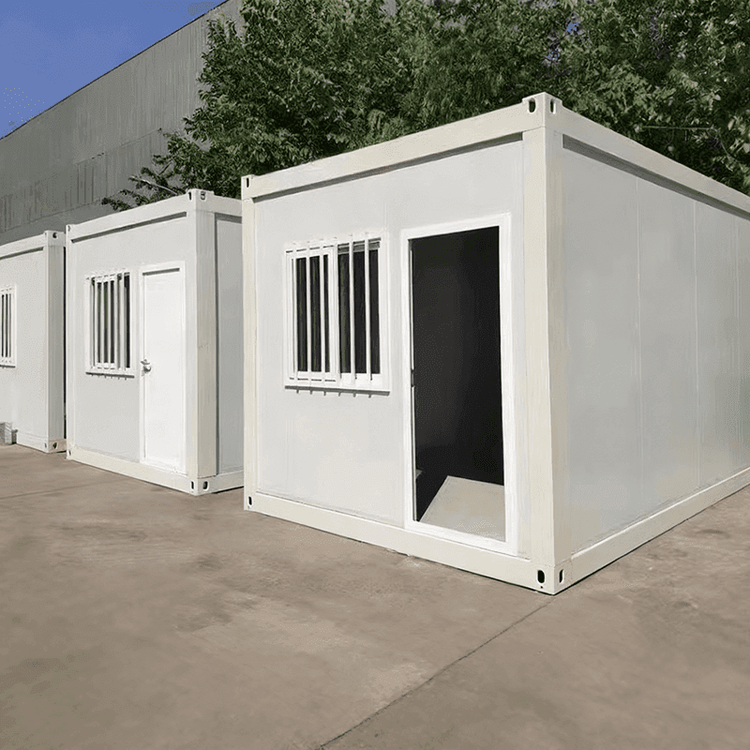
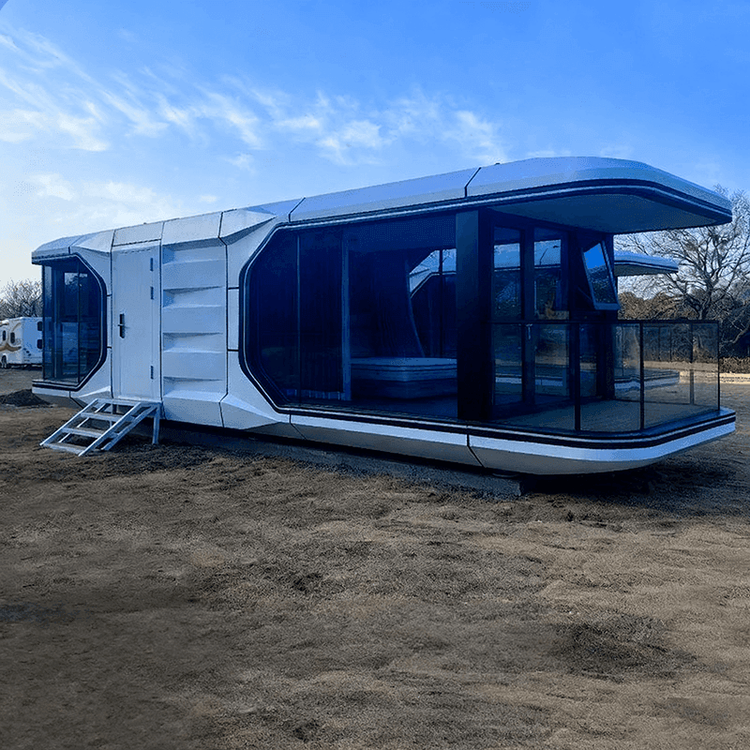
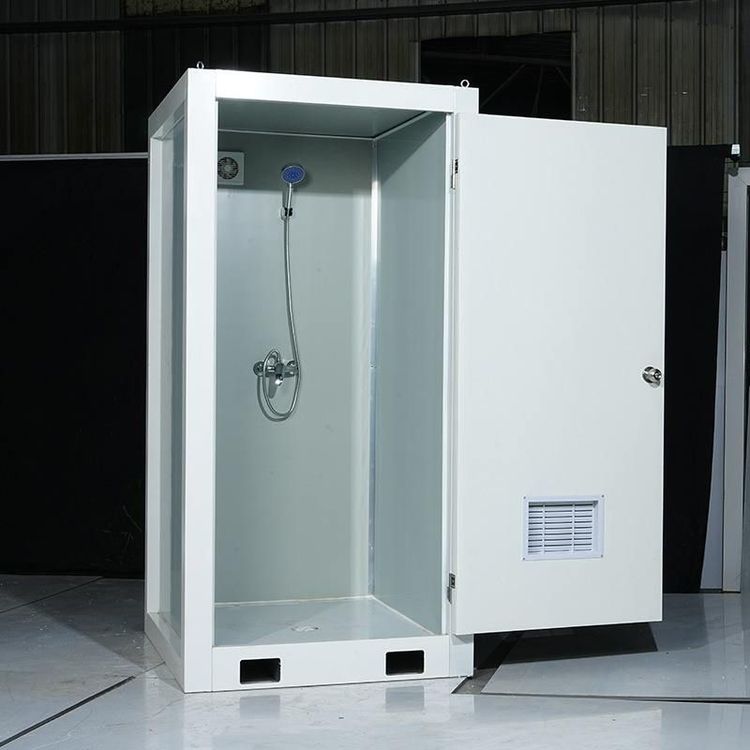
Yibin Container Module House
Yibin container module houses are characterized by their lightness, flexibility, cost-effectiveness, and strong personalization. They are widely used in residential, office, commercial, and temporary engineering scenarios, and can address living pain points such as high temperatures and cramped spaces through technological optimization.
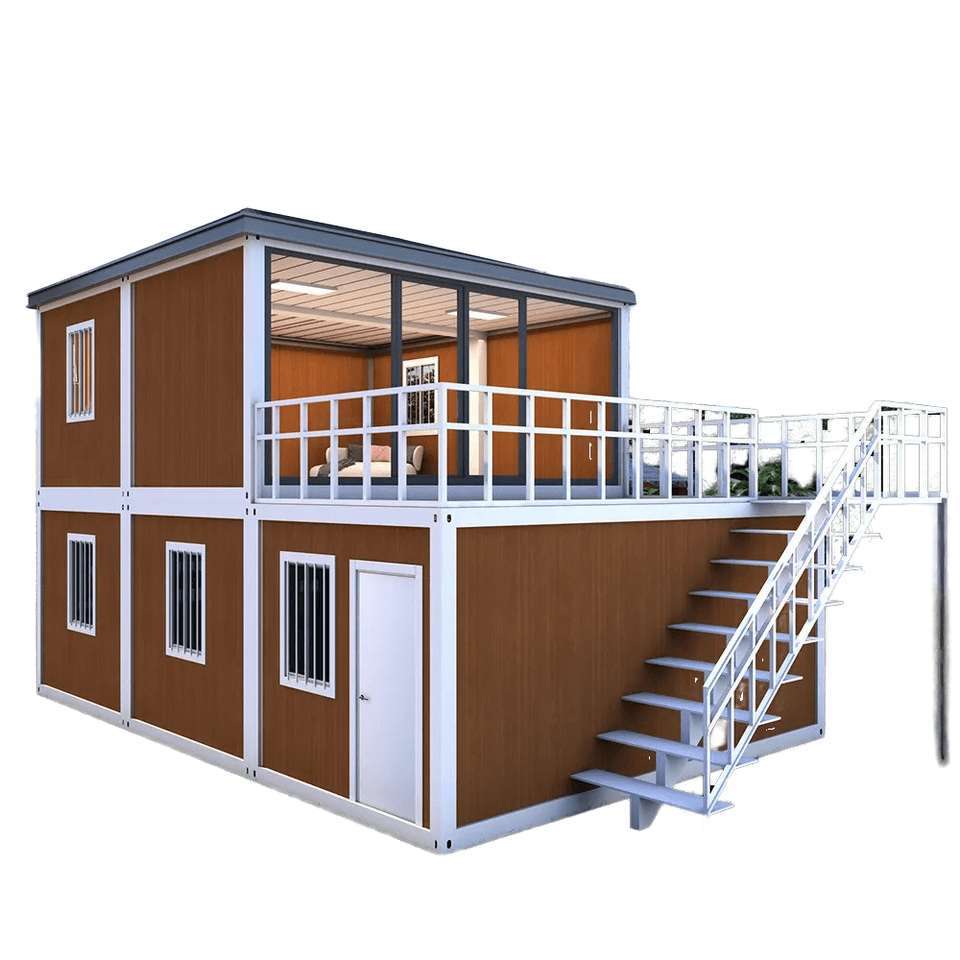
Core Features
Lightness, Flexibility, and Cost-Effectiveness
Container module houses are lightweight, movable, and reusable, making them suitable for frequent relocations or temporary needs. They are affordable. For example, a container with an interior area of about 13 square meters costs approximately 12,000 yuan after decoration, which is nearly 900 yuan per square meter. If a second-hand container is used for renovation, the cost can be reduced by 40%. The daily rental rate in the leasing model is about 30 - 50 yuan, further reducing short-term usage costs.Personalized and Intelligent Design
The exterior can be painted in any color to meet personalized requirements. The interior can integrate smart home devices to enhance living convenience. Remote monitoring can be achieved through the Internet of Things technology, and virtual reality technology can be used to experience the spatial effect in advance, aligning with the trend of digitalization.Superior Performance and Environmental Sustainability
They have thermal insulation, sound insulation, and fire resistance properties. For Yibin's rainy climate, moisture-proof container bodies are designed, and for noise issues on construction sites, soundproof container bodies are developed. The materials focus on environmental protection and recyclability. In the future, more energy-saving technologies will be adopted to reduce environmental impact.
Application Scenarios
Residential and Office Use
A single container can be renovated into a dormitory, office, or small warehouse. By splicing them together, multi-story composite spaces can be created to meet small-scale residential or office needs.Commercial Spaces
Multiple containers can be combined to create commercial facilities such as hotels, restaurants, and shops, and even creative parks and residential buildings, forming modular building complexes.Special Purposes and Temporary Needs
For projects such as transportation construction and water conservancy projects, container houses can serve as temporary dormitories or command posts. They can be repeatedly disassembled and assembled, avoiding resource waste. In remote areas, off-grid water and electricity supply can be achieved through solar panels and water storage tanks.
Methods to Address Living Pain Points
- High Summer Temperatures: Apply sunscreen coatings on the exterior, install sunshades on the roof, or install small air conditioners.
- Cramped Spaces: Use floor-to-ceiling windows to enhance natural light or employ foldable furniture for multi-purpose use.
- Water and Electricity Access: Pre-bury pipeline interfaces. Professional construction is required for connecting to municipal water and electricity. In remote areas, solar panels and water storage tanks can be used in combination.
Selection Recommendations
Give priority to reputable professional companies to ensure after-sales maintenance. Inspect the performance of the main structure to avoid defects in splicing technology. Fully communicate your needs before purchasing or renting to clarify the price, location, and application effectiveness.