Back to blog
Article
Container House Material: The Complete Buying Guide
Admin November 14, 2026
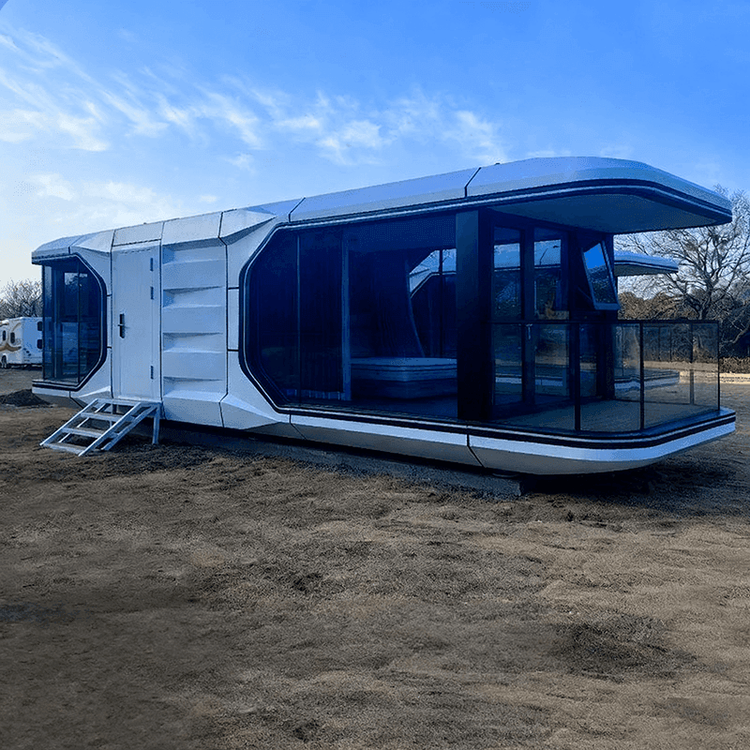
Common materials for container houses include galvanized steel frames, Corten steel (optional), and watertight sandwich panels. When purchasing, attention should be paid to customization needs, quality standards, additional features, and supplier qualifications.

I. Main Structural Materials
- Galvanized Steel Frame: As the core supporting structure of container houses, galvanized steel forms a protective layer through hot-dip galvanizing, offering high strength and corrosion resistance. It can withstand erosion from humidity, salt spray, and other elements in daily environments, extending the service life.
- Corten Steel (Corten Steel): A weathering steel that forms a stable rust layer on its surface through oxidation. It does not require additional coatings and can maintain structural stability in extreme weather conditions (such as strong winds, heavy rain, and high-salt-spray environments), making it suitable for coastal or heavily industrial-polluted areas.
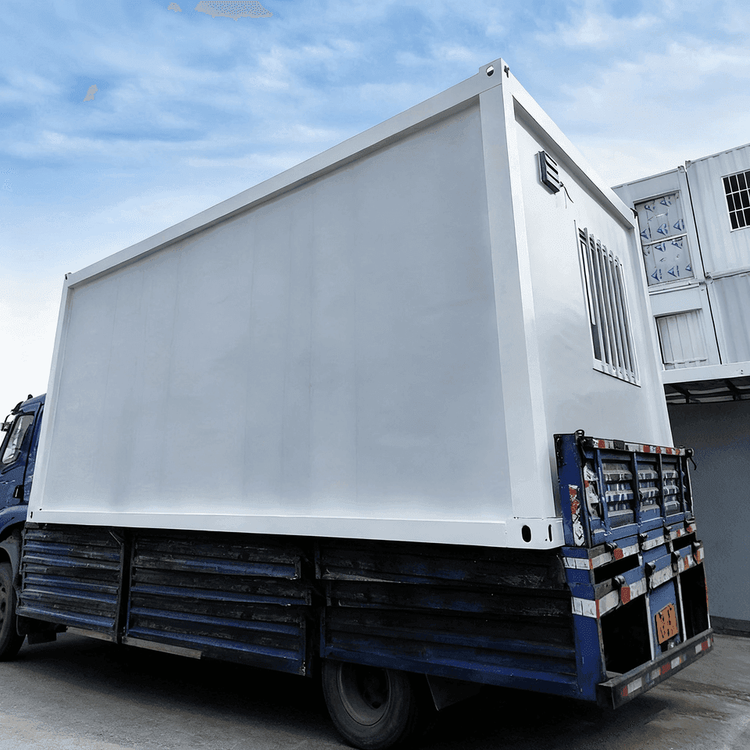
- Watertight Sandwich Panels: Used for walls and roofs, these panels consist of two layers of metal sheets sandwiching insulation materials such as polyurethane or rock wool. They offer waterproofing, thermal insulation, and sound insulation functions, effectively regulating indoor temperature and reducing energy consumption.
II. Customization and Functional Expansion
- Layout and Size: Fully customizable, with common specifications including 20ft, 30ft, and 40ft standard containers. They can be combined through splicing to form residential buildings, dormitories, hotels, or commercial structures, meeting diverse spatial needs.
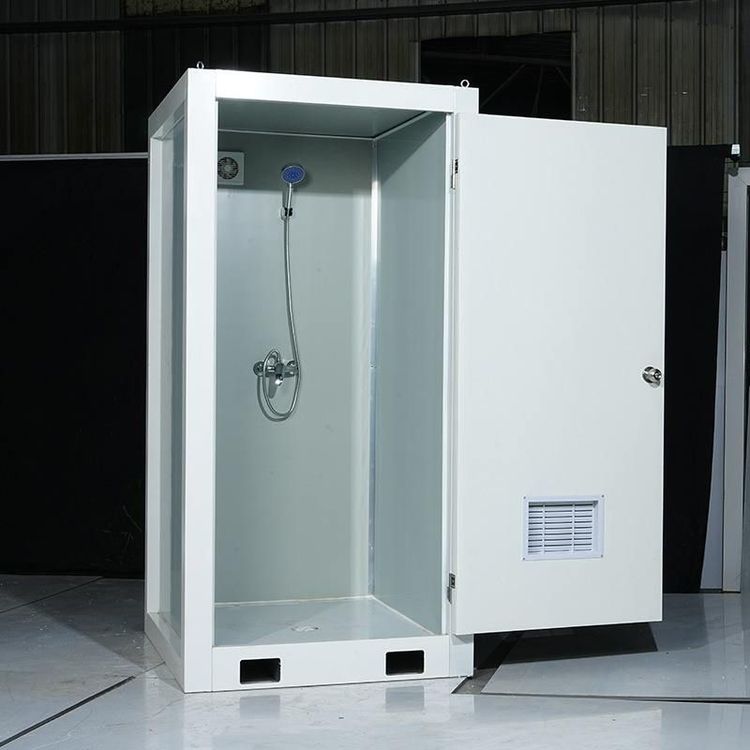
- Interior Decoration: Flooring options include solid wood, composite flooring, or anti-slip flooring adhesive; wall decorations can be eco-friendly paint, PVC panels, or wooden veneer panels; ceilings can integrate lighting and ventilation systems to enhance living comfort.
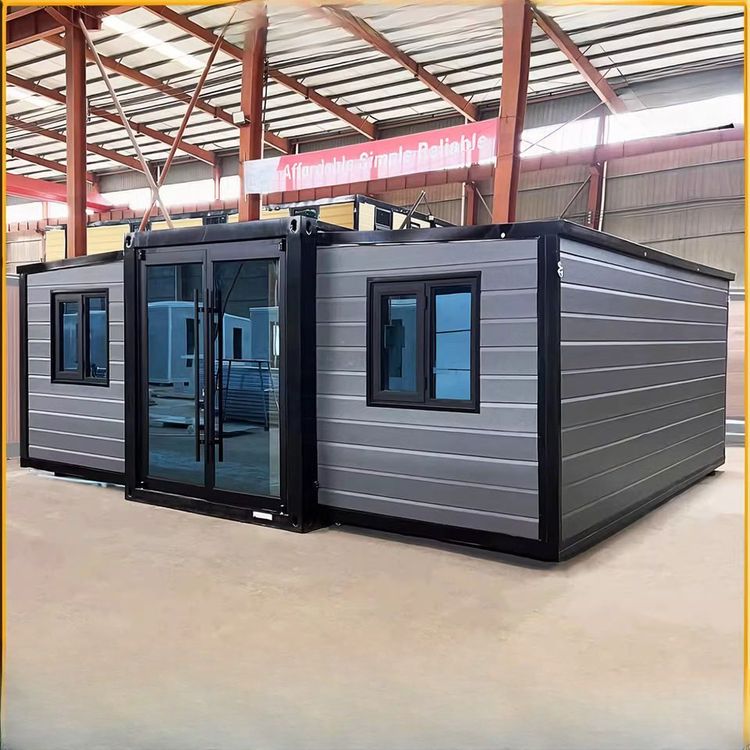
- Scalability: Some models (such as double-wing expandable container houses) feature foldable or modular designs, supporting rapid installation and disassembly for easy transportation to remote areas or temporary use scenarios.
III. Quality and Production Standards
- Factory Prefabrication: Key components such as roofs and floors are pre-assembled in the factory, reducing on-site construction time and minimizing human error risks to ensure structural accuracy.
- ISO Standard Quality Control: Every step, from material procurement to manufacturing processes, is monitored through an ISO-certified system. For example, steel must comply with ASTM standards, and sandwich panels must pass fire and water resistance tests to ensure product compliance.
IV. Purchase Recommendations
- Supplier Qualifications: Prioritize manufacturers offering factory-direct prices and global delivery services to reduce intermediate costs; confirm their ISO certification to ensure material and workmanship quality.
- Detail Requirements: Check for the inclusion of thermal insulation layers and reserved positions for equipment installation (such as electrical circuits and piping) to avoid additional costs for later modifications due to structural differences.
- Environmental Protection and Cost: Choose recyclable materials (such as galvanized steel and Corten steel) to lower long-term maintenance costs; foldable or modular designs reduce transportation volume, further saving on logistics expenses.
Reference Basis: Information is synthesized from public materials of multiple manufacturers, covering material performance, customization plans, quality standards, and industry practices.
Related