Yantai Mobile Toilet Construction
The construction of mobile toilets in Yantai mainly covers aspects such as equipment selection, transportation and installation, environmental adaptability adjustments, and maintenance.

Equipment Selection and Quantity Planning
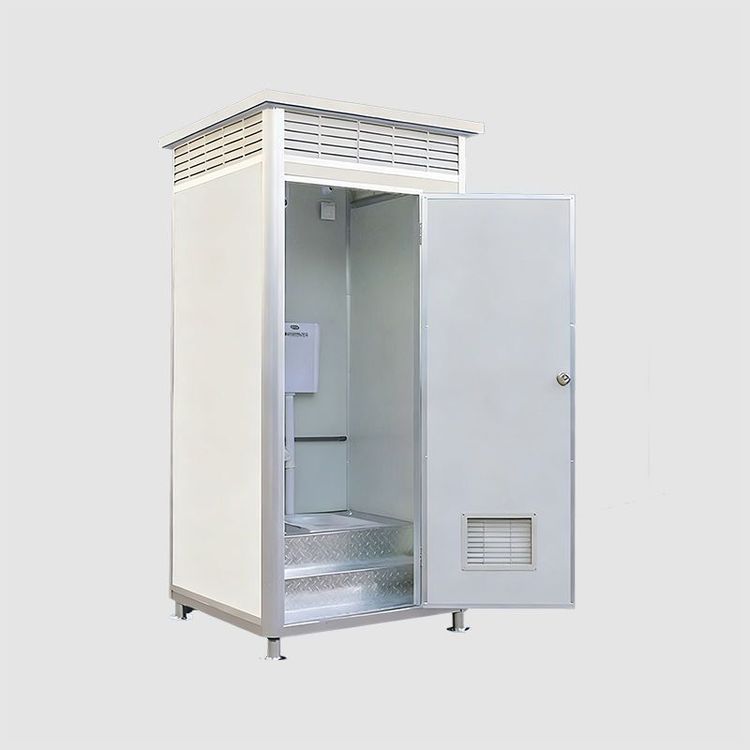
The construction team needs to determine the equipment model and quantity based on the specific parameters of the usage scenario. For example, estimating the pedestrian flow, event duration, and the environment of the placement site are core considerations. For coastal event areas, materials with strong corrosion resistance (such as high-density polyethylene or fiberglass-reinforced plastic) should be selected to cope with high humidity and sea breeze erosion. For festival event venues, an adequate number of toilet stalls should be configured according to the peak crowd flow density and usage frequency to avoid queuing congestion. The equipment usually adopts a modular design, integrating water storage devices, waste collection systems, and ventilation facilities inside. Some models are equipped with wheeled chassis for easy short-distance movement.
Transportation and On-site Installation
After the equipment selection is completed, it needs to be transported to the designated location using standard transportation tools. During the installation process, special attention should be paid to debugging the water supply and drainage systems and waste treatment functions: the water storage system should ensure sufficient water supply and no leakage; the sewage discharge device should be connected to a sealed sewage storage tank to prevent odor diffusion; the ventilation unit should maintain air circulation to prevent internal stuffiness. If there is no access to the municipal power grid at the usage site, solar panels or silent generators can be used for power supply to ensure the normal operation of the equipment.
Environmental Adaptability Adjustments
The deployment requirements for mobile toilets vary significantly in different scenarios in the Yantai area. In coastal areas, it is necessary to focus on testing the ground bearing capacity to prevent salt spray from corroding the equipment structure. At festival event venues, drainage paths need to be planned to avoid rainwater backflow. The setup of barrier-free access should comply with ergonomic standards to facilitate use by special groups. In addition, before equipment deployment, the ground flatness should be tested to ensure stability.
Standardized Maintenance Procedures
During the leasing process, equipment maintenance follows a preventive mechanism: food-grade chemicals are used for cleaning and disinfection to avoid residual contamination; sewage treatment involves regular cleaning of the sealed sewage storage tanks by professional waste removal vehicles; regular inspections cover key components such as the flushing system, door lock mechanisms, and ventilation equipment to ensure their proper functioning. For example, the flushing system should be checked for water pressure stability, the door lock mechanisms should be tested for smooth opening and closing, and the ventilation equipment should be monitored for noise and air exchange efficiency.
By strictly controlling the above aspects, the construction of mobile toilets in Yantai can achieve efficient deployment and long-term stable operation, meeting the sanitation needs of different scenarios.