Yanqing Mobile Toilets
Yanqing's mobile toilets are movable variants of public sanitation facilities designed to adapt to special terrains and event demands, featuring modular structures, eco-friendly treatment technologies, and extreme-environment resistance.

I. Basic Structure and Functions
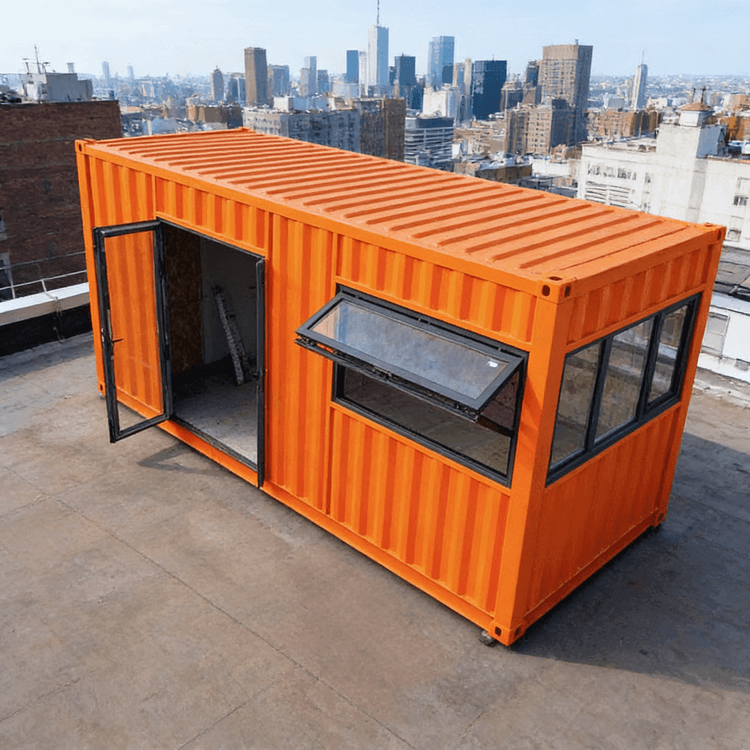
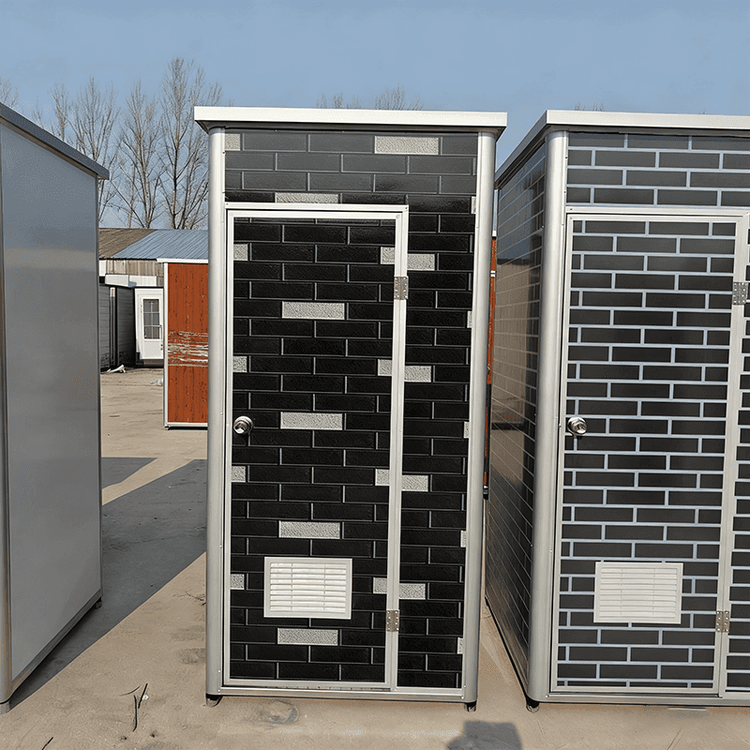
Yanqing mobile toilets adopt a modular design, with enclosures constructed from high-strength lightweight materials (such as fiberglass or aluminum alloy). Internally, they integrate water storage, flushing, and waste collection or treatment units. While their core functional components are consistent with traditional fixed toilets, modular combinations enable whole-unit relocation and rapid deployment, relying on external transport vehicles like trucks or trailers for movement. Rental services typically include equipment installation, daily cleaning and maintenance, troubleshooting, and post-lease removal and recycling, forming a complete service loop.
II. Waste Disposal Technology Pathways
Yanqing mobile toilets employ three mainstream waste disposal technologies:
- Traditional Storage-Based: Waste is stored in sealed containers and regularly cleared by suction trucks, suitable for short-term, low-frequency use scenarios with lower costs but requiring frequent maintenance.
- Biodegradable: Microorganisms are used to decompose waste, reducing odors and pollution, ideal for ecologically sensitive areas, though with higher initial investment and operational costs.
- Recirculating Water Flush: Water resources are recycled through membrane filtration or chemical treatment, offering significant water conservation but with higher technical complexity.
The choice of different solutions requires comprehensive consideration of rental costs, environmental impacts, and site adaptability.
III. Typical Application Scenarios
Yanqing's terrain is predominantly mountainous and hilly, with limited coverage by fixed public sanitation networks. Combined with the transient visitor pressures during large-scale events (such as marathons, cycling races) and tourism peaks, mobile toilets serve as crucial supplementary facilities. Their application scenarios include:
- Former Expo sites and Winter Olympics venues: Addressing short-term high-density visitor flows and ensuring sanitation needs during events.
- Rural homestay clusters: Compensating for the lack of fixed toilets in remote areas and enhancing tourism service quality.
- Mountain hiking trails: Providing convenient toilet solutions for outdoor activities and minimizing environmental disruption.
IV. Environmental Adaptability and Technological Innovation
To cope with Yanqing's cold winters and windy conditions, mobile toilets incorporate freeze-resistant designs (such as heated pipelines and thickened insulation layers) and wind-resistant structures (such as reinforced enclosures and anti-tipping devices) to ensure normal operation in extreme weather. Additionally, some high-end models integrate solar power, smart sensor flushing, and remote status monitoring systems, enhancing operational efficiency through IoT technology while adopting eco-friendly materials and biodegradable treatment technologies to reduce soil and water pollution.