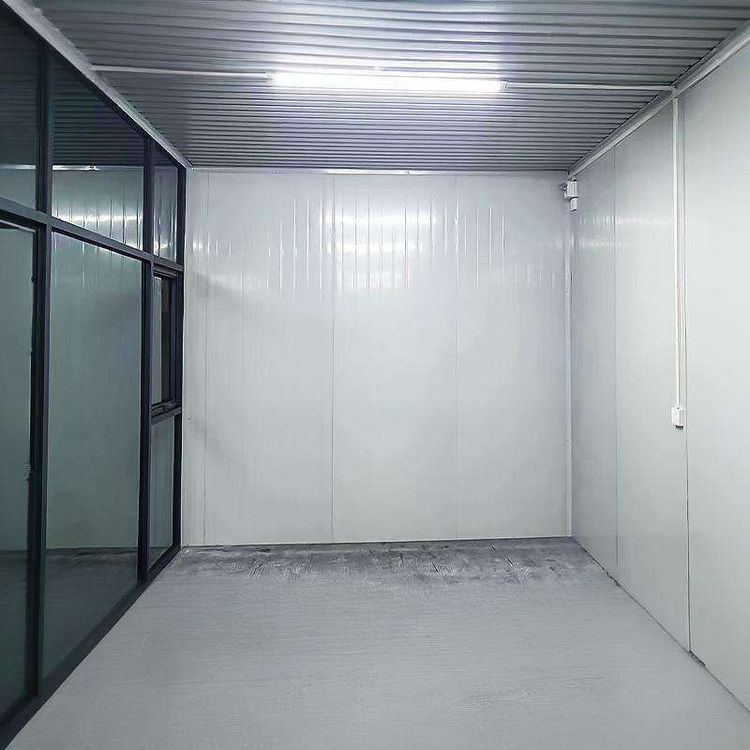
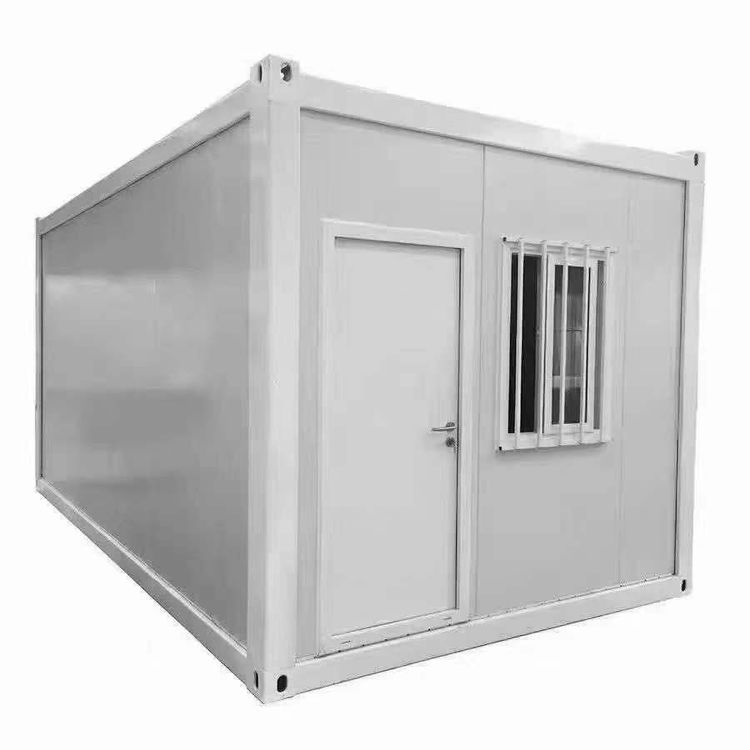
Yangquan High-Speed Mobile Toilet
In the high-speed scenarios of Yangquan, either trailer-mounted or powered mobile toilets can be selected, depending on the specific usage requirements and the technical solutions provided by the rental companies. Currently, the local mobile toilet rental services in Yangquan cover two types of products: fixed and trailer-mounted. Among them, trailer-mounted and powered equipment, with their site transfer capabilities and diverse sewage treatment technologies, are more suitable for scenarios such as highway service areas and temporary construction sites. The following provides an explanation from three aspects: equipment types, technical characteristics, and service plans.

I. Equipment Types and Suitable Scenarios
Trailer-mounted mobile restrooms are the mainstream choice for highway scenarios. Their core structure consists of a wheeled chassis and a detachable sewage tank, allowing for site transfer via towing vehicles (such as pickup trucks or small vans). This results in low single-trip transportation costs and high deployment efficiency. For example, some products have sewage tanks with a capacity of 500-800 liters, which can meet the medium- to long-term usage needs of 50-100 people per day, making them suitable for scenarios such as service area renovations and temporary additions during holidays. Powered mobile toilets, on the other hand, achieve autonomous movement through built-in engines or external power sources. They have wind resistance capabilities of up to Level 8 or higher and are fixed to the ground using expansion bolts or counterweights, enabling them to cope with complex environments such as strong winds and soft soil foundations along highways.
II. Sewage Treatment Technology Adaptability
Mobile toilets on highways need to primarily address the issues of sewage discharge and odor control. The current mainstream technologies include:
- Microbial Degradation Type: This technology uses specific bacterial colonies to decompose feces, eliminating the need for external water sources and sewage pipelines. A single addition of bacteria can last for 30-60 days, making it suitable for water-scarce or ecologically sensitive areas.
- Vacuum Self-Priming Water Flush Type: This technology utilizes a negative pressure system to reduce water consumption (single flush ≤ 0.5L). Sewage is collected in storage tanks and periodically pumped out, making it suitable for service areas with high foot traffic.
- Packaging Type: This technology uses biodegradable film bags to encapsulate excreta, generating no sewage throughout the process. However, the film bags need to be replaced regularly, making it suitable for short-term emergency use.
III. Key Points for Matching Service Plans
Rental companies (such as Qianmai Mobile Toilets and Changjiu Industrial) typically provide full-process services including "equipment + transportation + maintenance". When selecting a service, the following points need to be clarified:
- Usage Duration: For short-term events (e.g., within 3 days), packaging type or small trailer-mounted toilets can be selected; for medium- to long-term projects (e.g., over 1 month), large-capacity sewage tanks or microbial degradation equipment should be configured.
- Site Conditions: It is necessary to measure the entrance width and ground bearing capacity in advance (the total weight of trailer-mounted toilets is approximately 2-5 tons) and confirm the power supply (powered toilets require 380V) or water source access points.
- Budget Range: The daily rental cost for trailer-mounted toilets is approximately 200-500 yuan, while powered toilets, due to their higher technical complexity, can have daily rental costs ranging from 800-1500 yuan.
Recommendation: Contact local rental companies to obtain equipment technical parameter sheets, focusing on comparing indicators such as sewage tank capacity, movement methods, and wind resistance levels. Finalize the plan in combination with the environmental protection requirements of the highway management authority (e.g., whether direct sewage discharge is allowed).